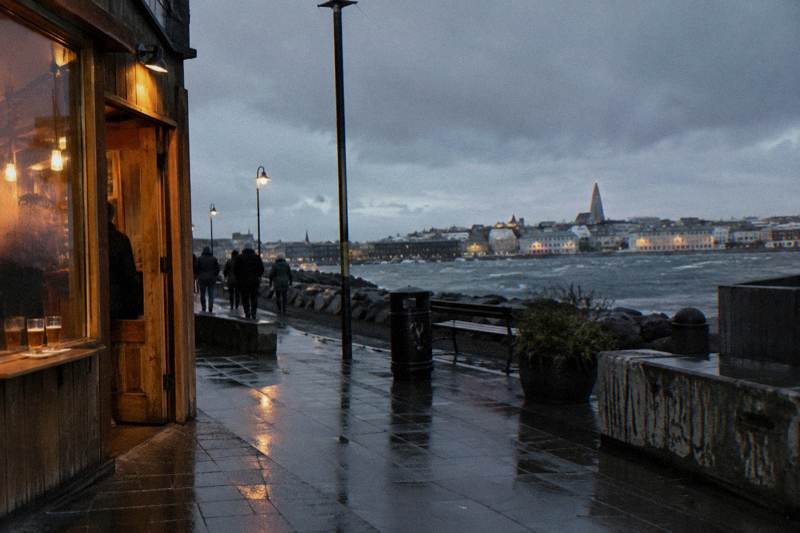
What To Wear To Bars In Reykjavik?
A practical dress guide for a night out in Reykjavik bars, covering the seasonless indoor-outdoor reality of Icelandic nightlife, what locals actually wear, and what to pack for a pub evening.
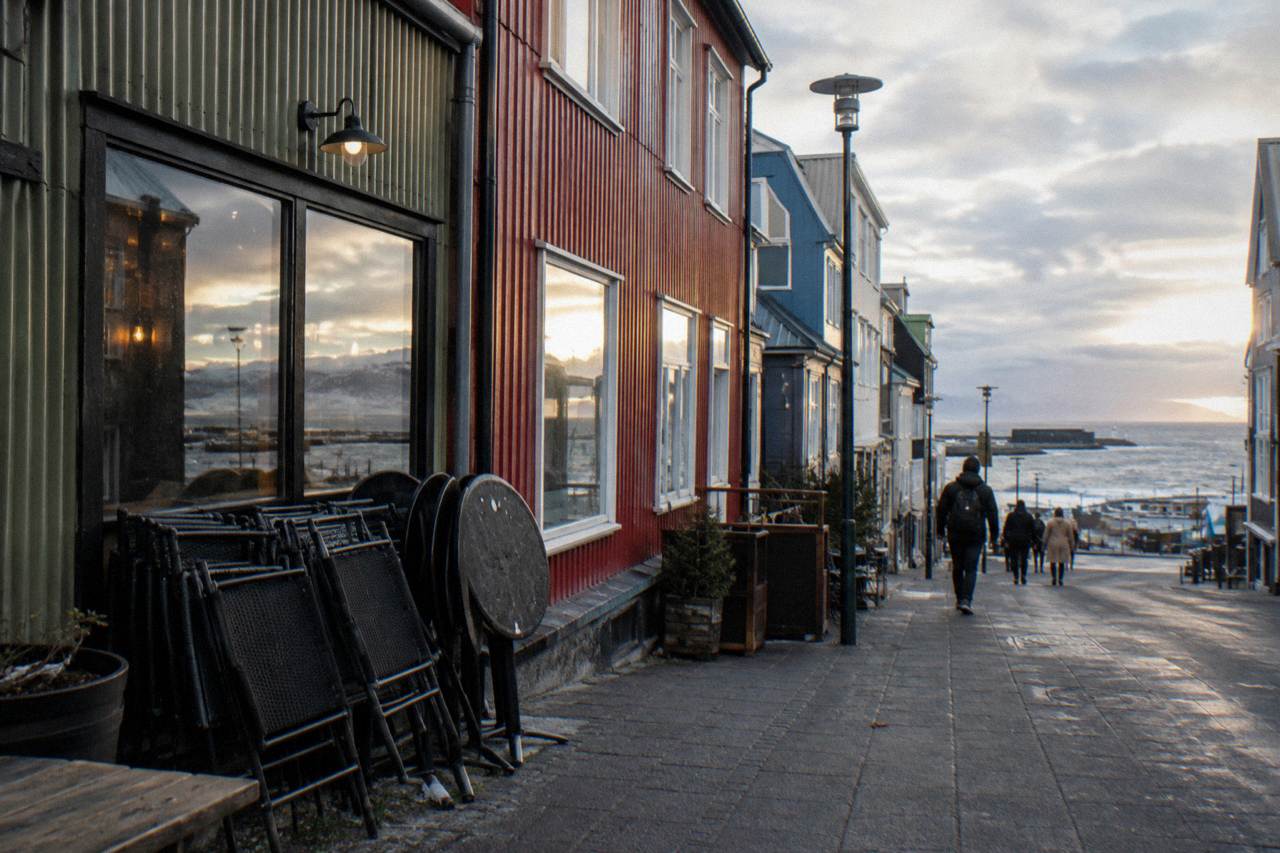
Dress for two climates in one evening: heated bar interiors and a cold, possibly wet walk between them. Locals in Reykjavik dress casually, often in dark, fitted clothing, and almost nobody dresses formally for a bar. The formula that works is warm layers, a genuinely weatherproof outer layer, and waterproof shoes, because the street time between venues is part of the night. Winter mean temperatures sit near freezing, while summer evenings stay mild but windy, so the base outfit barely changes across the year and the outerwear does. The city centre is compact and mostly pedestrian, which means more standing outside than most visitors expect.
Reykjavik's bar scene concentrates on Laugavegur and the streets running off it, and the rhythm of a night out is a bar crawl whether you plan one or not. Venues are small, they fill and empty, and groups drift. That pattern, not any dress code, is what shapes what you should wear. You will be outside for a few minutes every hour or so, sometimes longer if a queue has formed, and the Icelandic weather does not pause because you look good.
The city's weekend rhythm reinforces the walking. Bars stay quiet early in the evening and fill late, with the peak of a Reykjavik weekend night arriving well after midnight, so the hours between leaving your accommodation and finding a crowded room are spent outside, walking, queueing or waiting for friends. Anyone whose outfit only works indoors spends those hours uncomfortable. Anyone whose outfit only works outdoors spends the crowded hours overheating. The whole question is balance, and it is a solvable one.
A guided evening takes the logistics off your plate but not the weather. The Reykjavik Pub Crawl Tour with Drinks and Games runs about 3 hours, is rated 4.9 across 17 reviews, and costs from $111 per person; guides organize the venue hopping and games while you simply turn up dressed for the evening. Among the Reykjavik City Tours nightlife picks, this is the natural first-night option because it solves the two hard parts of an Icelandic bar evening, finding the venues and walking between them.
Is There A Dress Code In Reykjavik Bars?
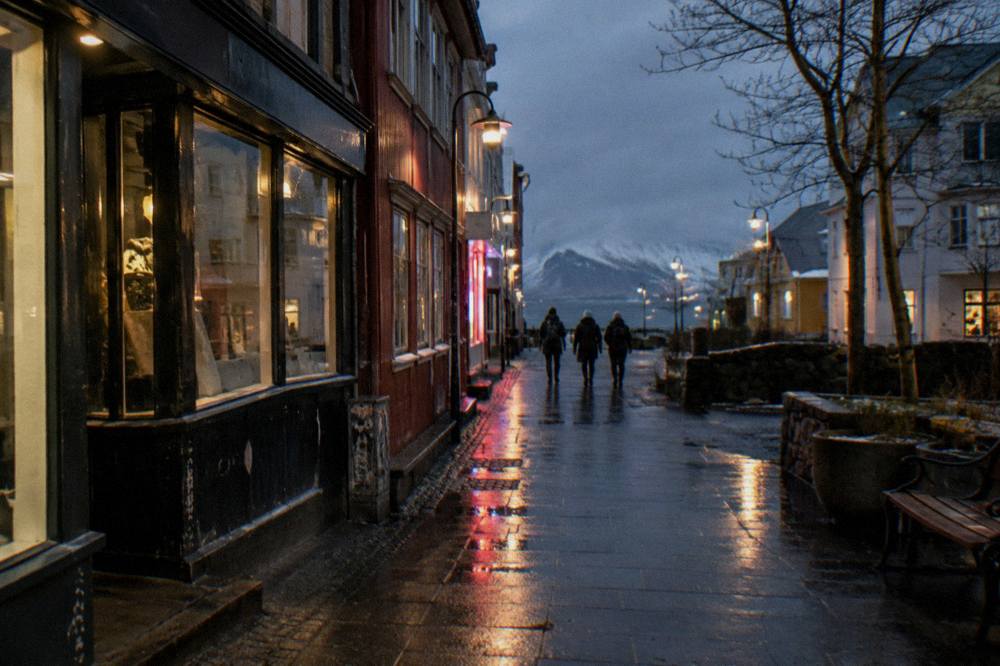
Almost none. Reykjavik bars do not enforce dress codes, and there is no Icelandic equivalent of the velvet-rope nightclub standard found in larger capitals. The exceptions are a small number of cocktail bars and hotel lounges where smart-casual fits the room, and even there the threshold is low: closed shoes, a decent jacket, no hiking gear. What bars do care about is capacity and occasionally large groups, not what anyone is wearing. Practical comfort beats formality everywhere else in the city.
The local baseline is best described as European city casual with a Nordic colour palette. Black is overwhelmingly dominant, alongside grey, navy and occasional muted earth tones. Locals wear fitted jeans or trousers, boots or clean sneakers, a warm sweater or a shirt, and a serious coat in winter. Visitors in full outdoor-hiking kit, headlamp on the jacket, stand out more than visitors who are slightly underdressed.
If a night is planned around several venues rather than one, the guided options remove the guesswork of where to go next. The Beer and Booze Tour runs about 2 hours 30 minutes, is rated 4.9 across 72 reviews, and costs from $122 per person, pairing the city's beer history with its evening venues. It is a pre-bar warm-up as much as a tour, and the dress advice for it is identical to any other night out: layers and waterproof shoes.
Tipping is not expected or customary in Iceland, service is included in prices, so there is no need to carry cash for that reason either. If a coat check exists at all it will be at larger venues, but most bars simply expect you to keep your coat with you, which is one more argument for a mid-weight layer you can wear indoors rather than an expedition parka you will roast in. A shell jacket hung over a chair takes almost no space in the small rooms that define this city's bar culture.
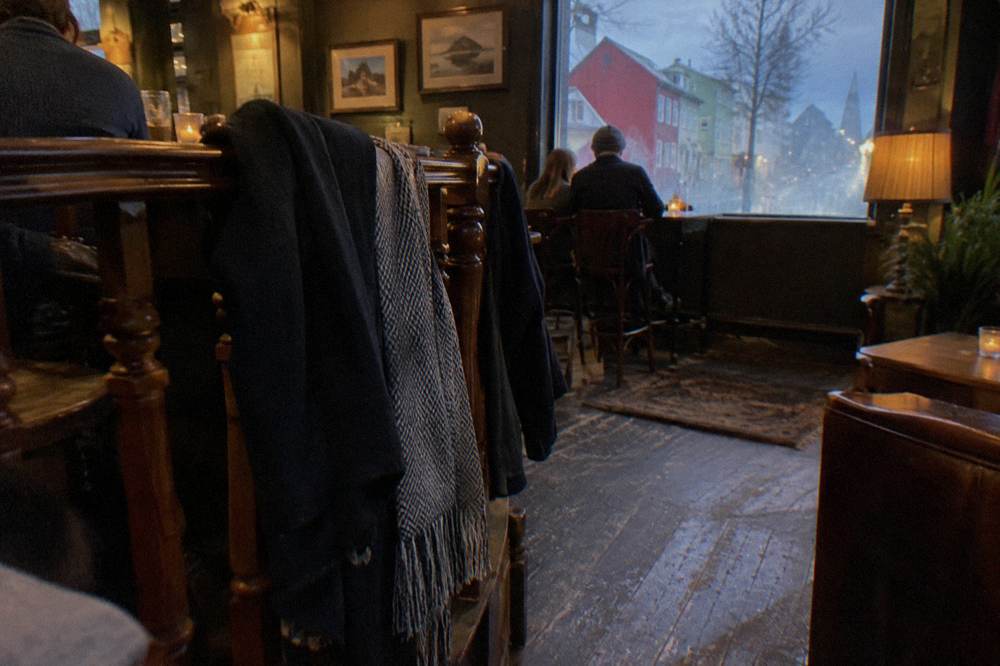
That no-coat-check reality shapes indoor comfort more than visitors anticipate. Reykjavik bars are often narrow, cellar-like or former residential spaces, packed on weekends, and heated generously against the climate outside. Standing room is the norm once a venue fills, and a person in a heavy insulated parka will be sweating within twenty minutes. The person in a merino base layer and a wool mid-layer under a thin shell simply sheds the shell and is set for the rest of the night.
What Does The Weather Between Bars Actually Feel Like?
Cold, wet and windy for most of the year, and the gap between indoor and outdoor comfort is the single biggest wardrobe problem. Reykjavik's December mean temperature is 0.8°C with about 95 mm of precipitation, and January and February means sit at 0.7°C and 0.5°C. Bars are heated to a comfortable 20-something, so you will cross a 20-degree swing every time you step outside. Summer evenings are far milder but the wind off the North Atlantic keeps a jacket in play even in July.
Rain in Reykjavik tends to arrive sideways, and showers pass quickly, which favours a proper shell jacket over an umbrella. Umbrellas are close to useless in the sustained wind and locals rarely carry them; a hood does the job an umbrella would do elsewhere. Between 9 and 15 days per month in the city see at least 1 mm of rain, so the odds of a completely dry walk between venues on any given night are never high.
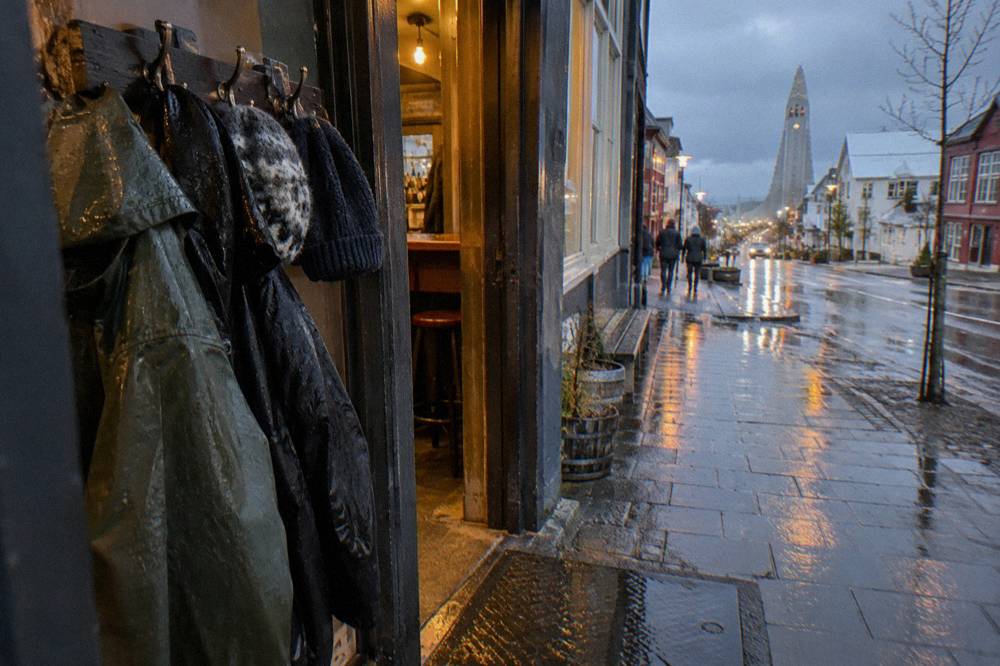
Daylight is the other seasonal factor that changes what an evening feels like. In midwinter the sun rises near 11:20 and sets around 15:30, so your night out begins in full darkness hours before the bars fill. In June the day stretches beyond 21 hours and it never gets properly dark, which shifts the whole evening later. Sunrise and sunset tables for the city are published at timeanddate.com if you want exact times for your dates.
The midwinter darkness deserves a specific clothing note, because it changes how shoes and outer layers perform. Puddles do not evaporate after sunset, they freeze at the edges, and the reflection of streetlights off wet stone is the last warning you get before stepping into a shallow pool. Dark-coloured trousers hide the splashes that light denim collects in a single evening, which is a quiet reason the local palette is so dark. A shell jacket in black or navy also shows nothing after a night of leaning against railings, doorframes and bar tops that the rain has been working on all day.
The practical takeaway is simple: your bar outfit is an outdoor outfit with a good indoor layer underneath. A wool or fleece mid-layer under a shell means you can shed the shell at the bar and still look intentional, rather than sitting in a damp cotton hoodie that never dries between venues. Cotton is the material to leave at home; it holds moisture against the skin, loses its insulation when damp, and takes hours to dry in a heated bar. Wool and merino keep warming even when the rain has found a seam, and they do not hold odour across a multi-day trip.
What Shoes Work For A Reykjavik Night Out?
Waterproof boots or shoes with real grip are the correct answer for roughly October through April, and they are never wrong in this city. Downtown pavements are a mix of asphalt and stone, rain is frequent, and from November into spring the surfaces can be wet, slushy or briefly iced over. Clean leather boots, Chelsea boots or leather sneakers all pass the casual bar standard; what fails is anything with no water resistance or a slippery sole. Trainers you would wear at a gym will be soaked and cold within an hour.
The stone-paved sections of the oldest streets hold water after rain and hide it underfoot in the dark. Combined with the winter practice of winter tyres on Icelandic roads from 1 November, plus the freeze-thaw cycle on pavements, the footing in midwinter deserves genuine respect. This is not a mountain-hike situation, but a night that involves eight venue changes on a wet Saturday in January rewards anyone who chose grip over looks.
| Season | Typical street conditions | Best bar-night footwear | What to avoid |
|---|---|---|---|
| December to February | Wet, slushy, occasional ice, dark by 17:00 | Insulated waterproof boots with lugged soles | Smooth-soled dress shoes, canvas trainers |
| March to May | Wet with late snow early, drying out later | Leather boots or waterproof sneakers | Thin-soled flats, anything suede |
| June to August | Mild, windy, showers | Any comfortable shoes plus a light layer | Umbrellas, they invert in the wind |
| September to November | Increasingly wet and dark | Boots again, waterproofing re-proofed if needed | Fabric shoes that soak through |
One local habit worth copying: keeping one pair of going-out shoes that are both dark and water-resistant, so the decision never has to be made again. Black leather takes salt stains, rain and bar floors in stride and needs a wipe-down rather than a rescue. Suede, by contrast, is close to a lost cause in this climate; one wet crossing between venues and the nap is marked for the rest of the trip. If you already own a pair of leather boots with a decent tread, bring those and leave every other option at home.
Socks are the unsung half of the shoe question. A night that runs long means hours of standing, and thin cotton socks in leather shoes on cold pavement are a small misery that compounds. Wool hiking socks in a dark colour are indistinguishable from ordinary socks once the boots are on, and they keep feet warm even if a puddle wins. Pack two pairs for a weekend, because damp wool socks hanging on a hotel radiator overnight are ready again by the next evening.
How Do Locals Actually Dress For A Night Out?
Locals dress in dark, fitted, unfussy clothing, with an emphasis on good wool knitwear and one strong outer layer, and they change almost nothing between a daytime look and a bar look. The Icelandic lopapeysa wool sweater is genuinely worn, but usually as the outer layer for a casual venue rather than as a costume piece. The overall register is understated: quality basics, dark colours, and outerwear chosen for weather rather than statement. Nobody in a Reykjavik bar will look twice at a plain black outfit worn three nights running.
The palette matters more than the price of the clothes. Black jeans or dark trousers, a knit or button shirt, and boots form the local uniform for both men and women, with women's fashion leaning towards dresses plus tights and a serious coat in winter. Because bars are small and crowded, bulky ski jackets read as out of place indoors, which is exactly why the mid-layer strategy works: a warm merino or wool layer keeps you comfortable at the bar with the shell hung on your chair.
Jewellery and accessories are minimal, hair and grooming are casual, and there is no observable pressure towards heels, which struggle on wet stone anyway. If you want one item that signals you understood the assignment, it is a good wool hat or scarf in winter: functional on the street, harmless indoors, and cheaper than anything else in the outfit. Locals also treat the scarf as the indoor-adjustable layer, loosened or stuffed in a sleeve rather than removed and carried.
A folklore-themed evening is a good example of how casual the city's after-dark activities are. The Reykjavik Guided Folklore Walking Tour, about 1.5 hours, rated 4.7 across 375 reviews and from $52 per person, lasts an hour and a half, with free cancellation, and its groups dress exactly like the bars they walk past: coats, boots, hats. For more on the city's after-dark options, see our guide to Reykjavik evening and night tours.
What Should You Pack For A Night Out In Reykjavik?
Pack one full set of bar-night clothing per trip rather than per night: dark trousers, a warm mid-layer, wool socks, waterproof boots, and a shell jacket with a hood, plus a wool hat, scarf and gloves from October to April. That single kit covers every bar in the city and every season's street conditions. Add a small crossbody or zip pocket bag, since you will be standing and walking more than sitting. Nothing on the list is Iceland-specific except the seriousness of the outerwear.
The gloves-and-hat point deserves emphasis, because the outdoor segments of a Reykjavik night are longer than visitors budget for. Queues, smoking areas, the walk to the next venue, the late-night food stop and the walk home can add up to an hour of standing outside across an evening. In January, with the mean sitting near freezing and the wind adding chill, ungloved hands end the night early. A thin pair of leather or wool gloves lives in a coat pocket all winter and changes nothing about how the outfit reads indoors.
| Item | Why it earns its place | Season |
|---|---|---|
| Shell jacket with hood | Blocks wind and rain, works over any bar outfit | All year |
| Merino or wool mid-layer | Worn indoors as the visible outfit layer | All year |
| Waterproof boots | Wet stone streets, freeze-thaw pavements | All year, lugged soles Nov to Mar |
| Wool hat, scarf, gloves | Standing-around segments between venues | Oct to Apr |
| Wool socks | Warmth when standing for hours | Oct to Apr |
| Small zip-closure bag | Standing venues, crowded rooms, no coat checks | All year |
The same logic applies to getting home. The city's buses, including night services, charge a flat 690 ISK single fare paid by contactless card, and current fares and routes are on the transit operator's pricing page. If the night ends far from your accommodation, that fare is the difference between a 10-minute warm ride and a long wet walk in the outfit you chose for the bars. Note that the old 24-hour and 72-hour day passes are no longer sold, so pay per ride by card or check the fare-capping rules on the operator's page before a multi-ride night.
For daytime wardrobe planning on the same trip, our guide on what to wear on a Reykjavik walking tour covers the full layering system, and the evening version is a lighter variant of the same idea.
Do Summer Nights Change The Dress Advice?
Only the outer layer. From June through August, Reykjavik evenings are mild but famously windy, so the bar outfit can drop the insulation entirely and keep the windproof layer: a light jacket or a shirt-jacket over whatever you would wear in any European city. Summer brings over 18 hours of daylight in mid-June, nights shift later, and rain showers remain a regular feature, so the hood stays useful even when the gloves go home. Footwear can loosen up too, though water resistance is still never wasted.
The midnight-sun version of the city's after-dark programming is its own thing. On clear summer nights around the solstice the sky never fully darkens, and evening events run at hours that feel like afternoon. The Reykjavik Midnight Sun Ghost Walk, about 1.5 hours and from $62 per person, has only a small review pool so far, too few to judge by rating, but it captures the season's strange brightness. Dress for it exactly as for a bar night: layers, a hood, comfortable shoes.
Summer or winter, the failure mode is the same: dressing for the bar you are in rather than the city you are walking through. A visitor in a shirt and no jacket on a July evening will be cold on the water-facing streets; a visitor in a ski jacket indoors will be carrying it all night. The mid-weight solution is the only one that survives both halves of the evening, and locals arrived at it long ago.
Summer also changes what the night itself looks like. With daylight past 22:00 in high summer, terraces and outdoor standing areas stay in use, which means the wind reaches you even while you drink. A light shell stuffed in a bag during the warm hours becomes the most-used item of the night once the wind picks up off the harbour. In winter the reverse applies: outdoor standing areas largely empty, everyone crowds inside, and the walk is the cold part rather than the venue.
Common Questions About Bar Dress In Reykjavik
What To Wear To Bars In Reykjavik?
Wear dark casual layers, a waterproof shell jacket with a hood, and waterproof boots. There is no real dress code in Reykjavik bars, locals dress casually in fitted dark clothing, and the outdoor walking between venues matters more than formality. From October to April add a wool hat, scarf and gloves.
Do I Need To Dress Up For Nightclubs Or Cocktail Bars?
A small number of cocktail bars and hotel lounges suit smart-casual, meaning closed shoes and a decent jacket, but formal wear is never required. Most venues have no dress code at all. If in doubt for a specific venue, check its own page before you go.
Are Heels A Good Idea In Reykjavik?
Not really. The streets are a mix of asphalt and stone that holds water after rain, surfaces can ice over in winter, and the night involves walking between venues. Most locals wear boots or flat shoes year-round, and heels are rare even in dressier settings.
Can I Wear Sneakers To Reykjavik Bars?
Yes, clean leather sneakers pass everywhere except the dressiest cocktail rooms. Choose a water-resistant pair, because canvas and mesh will soak through in rain or slush and stay cold for the rest of the night.
Is A Coat Check Available In Reykjavik Bars?
Rarely. Most bars expect you to keep your coat with you, which is another reason a mid-weight wool layer under a shell works better than a bulky parka you will carry or overheat in indoors.