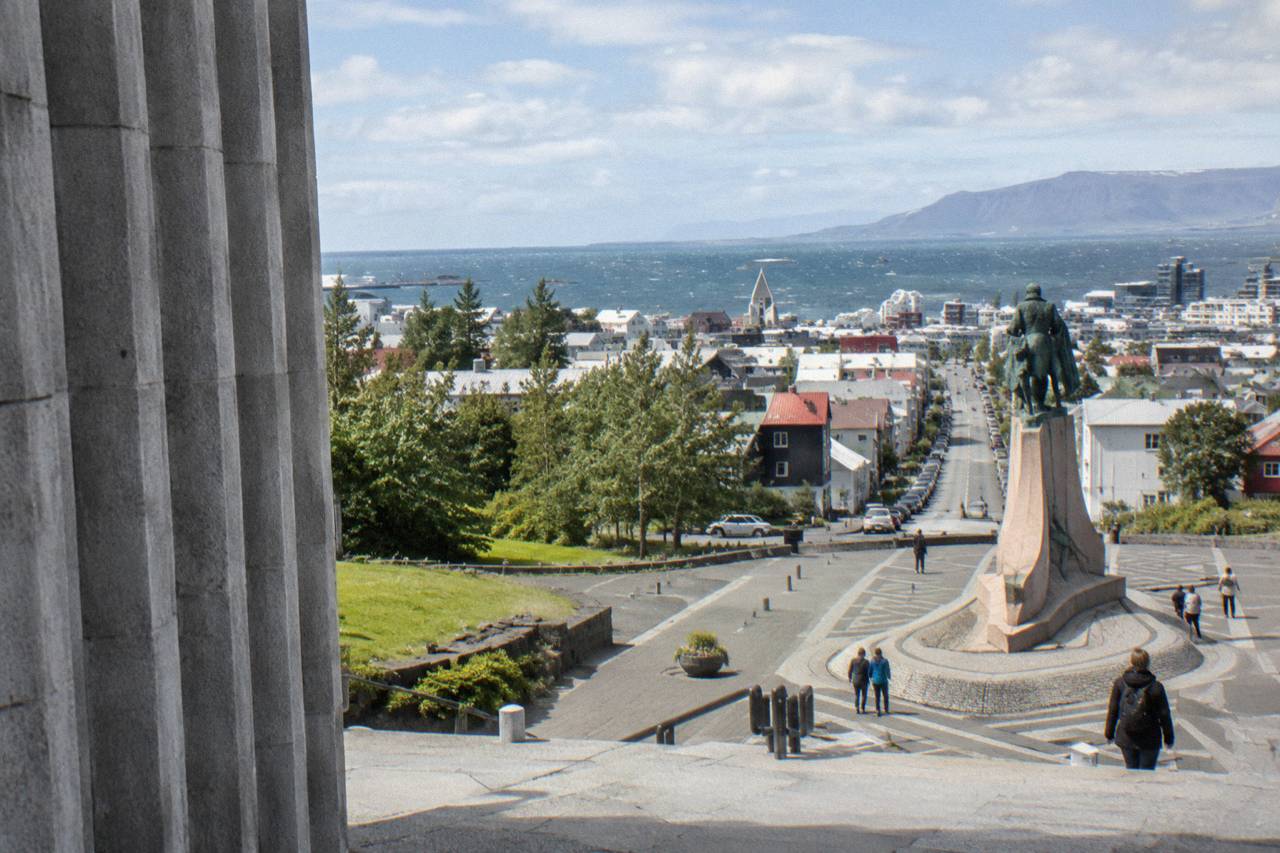
What To Wear On A Reykjavik Walking Tour
Reykjavik weather changes faster than most wardrobes can react to. Here is what to wear on a walking tour through the city, month by month, from the wind off the harbour to the shortest days of December.
Short answer
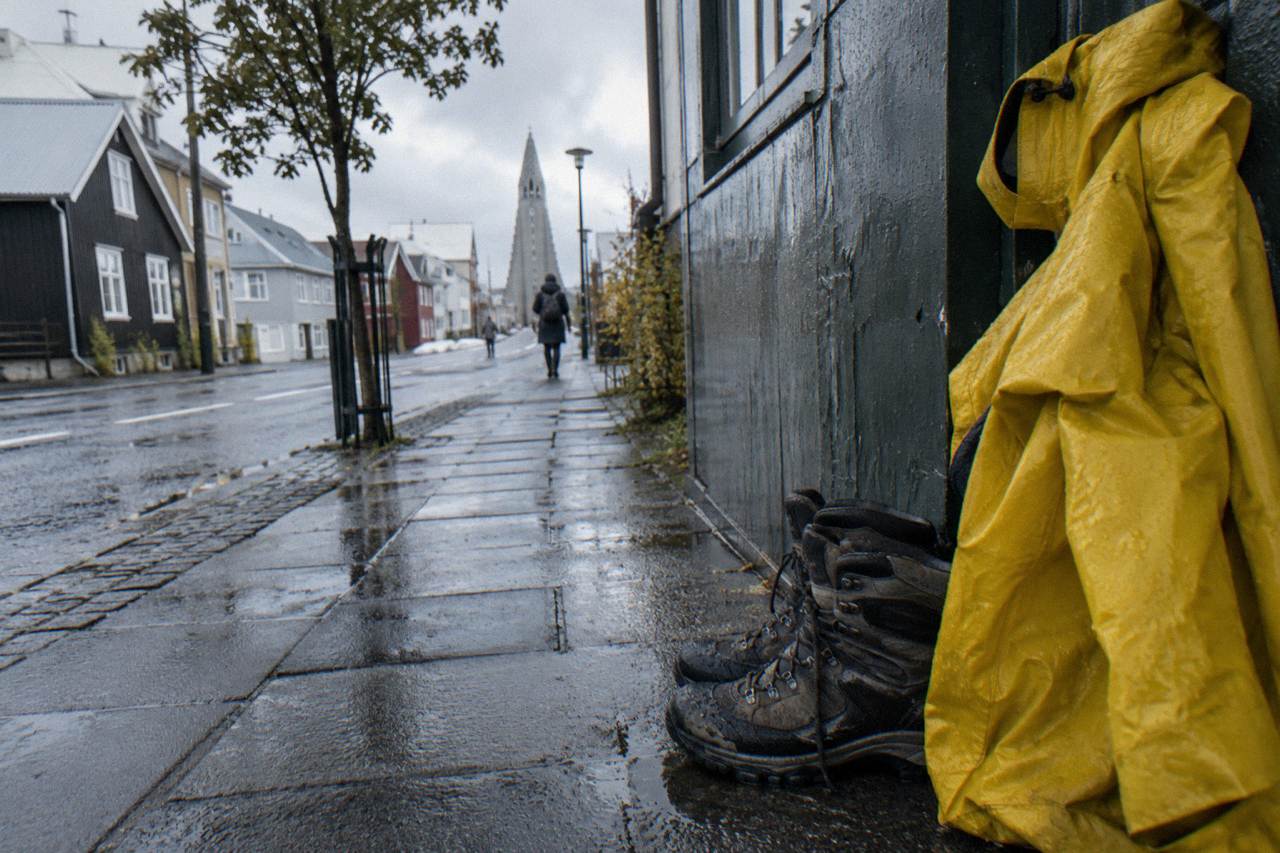
Dress in three layers: a merino or synthetic base, an insulating mid layer, and a wind-and-waterproof shell. Reykjavik winter means average temperatures near 0.7 degrees Celsius and rain on 9 to 15 days a month, so waterproof shoes matter more than heavy boots. Jeans work in dry weather but stay damp for hours once wet.
Reykjavik sits far north on a peninsula that catches Atlantic weather from three sides, and the city's climate behaves like it. The Icelandic Met Office's 1991 to 2020 normals put January at an average of 0.7 degrees Celsius, February at 0.5, and December at 0.8: mild for the latitude, but carried on wind and mixed with rain on 9 to 15 days in a typical month. Daylight swings even harder than temperature. The longest day of 2026 ran 21 hours and 8 minutes; the shortest will run about 4 hours and 7 minutes.
What that means for clothing is simple and slightly counterintuitive. Visitors reliably over-pack heavy insulation and under-pack rain protection, when the reverse serves a walking tour better. A two-hour stroll between Hallgrímskirkja and the Old Harbour generates more body heat than a bus ride ever will, and damp fabric, not cold air, is what actually ends a walk early. This guide works through the question month by month: layers first, then wind and rain gear, then shoes, then the jeans question people keep asking, and finally a winter packing list.
What Should You Wear On A Reykjavik Walking Tour?
Dress in three layers you can remove one at a time: a moisture-wicking base of merino wool or synthetic fabric, a warm mid layer such as a fleece or light down jacket, and a shell that blocks both wind and rain. Skip cotton next to the skin, because it holds sweat and chills you once the wind picks up. Bring a hat and gloves even in summer, since harbour winds drop the felt temperature sharply within minutes.
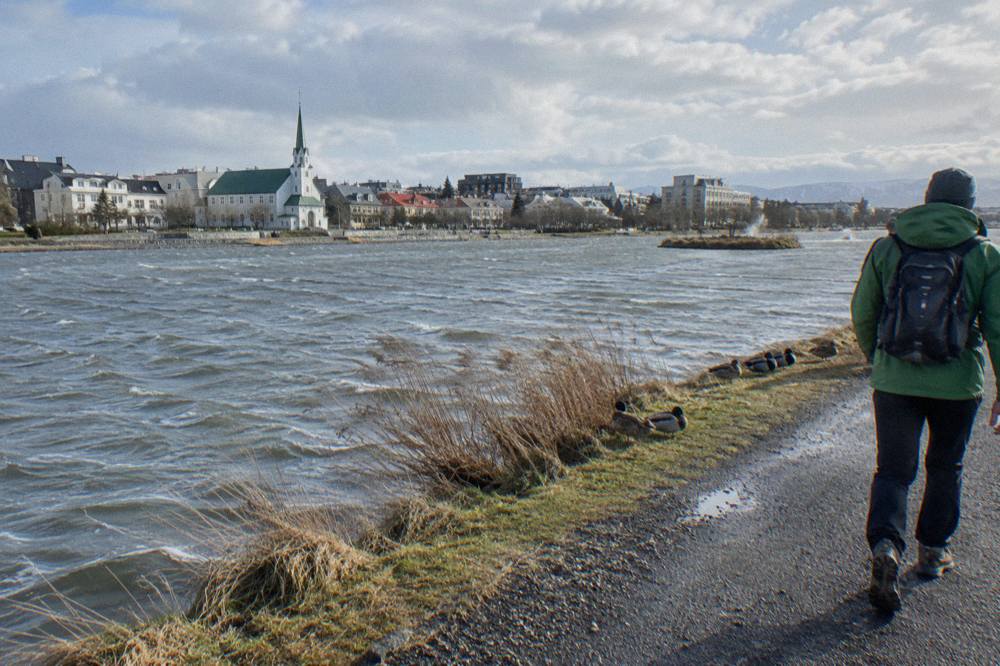
The three-layer system earns its keep because a Reykjavik day rarely stays in one mode. A morning that starts grey and still can turn into horizontal drizzle by noon and bright sun by two, and a tour that keeps moving handles all three if your clothing adapts. Guides on the city's walking tours, which typically run 1.5 to 3 hours, plan routes with indoor stops partly for this reason, but the walker who can shed or add a layer in ten seconds never needs the escape.
Fabric choice matters more than brand or price. Merino wool stays warm when damp and resists odor over a multi-day trip. Synthetics dry faster and cost less. Cotton, including cotton hoodies and T-shirts, absorbs sweat and rain and then works like a cold compress against your skin while the North Atlantic wind finds it. That is a common clothing mistake on Reykjavik sidewalks, and it is fully avoidable before you leave home.
One more principle: the tour itself is the warmest part of your day. Standing still for photos at the Sun Voyager sculpture, or waiting for a coffee at a stop on Laugavegur, is when you feel the cold. Pack the layers for the pauses, not the walking, and the walking takes care of itself. To compare walking options side by side, see the Reykjavik City Tours overview.
Which Layers Work For Each Month In Reykjavik?
January and February demand full winter layers: thermal base, thick fleece, insulated waterproof jacket, hat, gloves and a scarf. March and April drop to a light thermal plus fleece, and May sits at T-shirt weight. June through August needs only a base layer, a light mid layer for evenings, and that same shell. September and October rebuild the insulation, and November and December return to the full winter kit with the shortest daylight of the year.
The month-by-month pattern tracks both temperature and daylight, and daylight matters as much as warmth. On 1 November 2026 the sun rises at 09:10 and sets at 17:10, and by 15 November the window narrows to a 09:56 sunrise and 16:27 sunset. A walking tour in November or December happens in twilight or dark at either end, so reflective details and a headlamp are genuinely useful, not paranoid. Midsummer inverts the problem: with more than 21 hours of light on 21 June, a late-evening tour needs sunglasses, not a torch.
| Months | Base layer | Mid layer | Shell | Extras |
|---|---|---|---|---|
| Dec to Feb | Heavy thermal, merino or synthetic | Thick fleece plus light down | Insulated waterproof jacket | Hat, gloves, scarf, warm socks |
| Mar to Apr | Light thermal | Fleece | Waterproof shell | Hat, light gloves |
| May to Jun | T-shirt weight merino | Light fleece or none | Packable rain shell | Sunglasses, hat |
| Jul to Aug | T-shirt weight base | Light fleece for evenings | Packable rain shell | Sunglasses |
| Sep to Oct | Light thermal | Fleece | Waterproof shell | Hat, gloves |
| Nov | Thermal | Fleece plus light down | Insulated waterproof jacket | Hat, gloves, reflective detail |

Reykjavik temperatures look gentle, and they are: Reykjavik's averages cluster between roughly 0.5 and 13 degrees Celsius across the year because the surrounding ocean moderates everything. The averages hide two things. First, wind chill: a mild day with a strong harbour wind feels like winter clothing weather. Second, volatility: the same Met Office records behind those normals also show rain falling on 9 to 15 days per month at 1 mm or more, at any time of year.
Winter dates carry one more practical wrinkle. Winter tyres become mandatory on Icelandic roads from 1 November, which tells you how the country itself classifies the season, and ice on downtown sidewalks appears on the same schedule. If your walking tour falls between November and March, treat grip underfoot as part of your clothing system, which is exactly where the footwear section below comes in.
If layering feels like a lot to organize before a first visit, a guided walk keeps the stakes low while you learn the city's microclimates. The small-group format of the CityWalk small group walking tour, rated 4.9 across 5,260 reviews and priced from $50.08, covers about two hours of central Reykjavik, long enough to test your layers against real wind but short enough that a mistake is survivable.
How Do You Dress For Reykjavik Wind And Rain?
Wear a genuinely windproof and waterproof outer shell with a hood, and treat it as the one non-negotiable item in your bag regardless of forecast. Rain in Reykjavik arrives as drizzle, showers and occasional squalls, often sideways, and an umbrella is close to useless in the sustained wind. Waterproof trousers matter mostly from October to March; the rest of the year a shell jacket and quick-dry legs are enough.
The umbrella point deserves emphasis because it costs visitors money and dignity in equal measure. Reykjavik's wind is steady rather than violent, and it snaps umbrella ribs within a few blocks. A hooded shell does the same job with zero moving parts. If rain is heavy and sustained, a cap under the hood keeps drips off your glasses, which is the detail people appreciate only once they have experienced a Reykjavik squall without one.
| Condition | What it feels like on a walk | What to wear |
|---|---|---|
| Light drizzle, gentle wind | Damp, cool, manageable | Hooded rain shell, water-resistant shoes |
| Steady rain, moderate wind | Wet shoulders within 20 minutes | Shell plus rain trousers, waterproof shoes |
| Squall with strong gusts | Sideways rain, stinging face | Shell, hood cinched, cap, end or pause the walk |
| Dry and windy, any month | Wind chill well below air temperature | Windproof layer over fleece, hat and gloves |
| Dry and calm, Jun to Aug | Pleasant, occasionally warm | Base layer plus packable shell in the bag |
A note on what "waterproof" means, because labels lie. A water-resistant jacket survives a drizzle and then gives up; a properly waterproof one with taped seams keeps you dry through a two-hour tour in real rain. Look for taped or welded seams and a storm flap over the zip, and check the garment's stated waterproof rating on its own label before buying. None of this needs to be expensive, but it does need to be real, and buying it in Reykjavik at short notice will cost far more than buying it at home.
The wind has a geography, too. The waterfront between the Harpa concert hall and the Sun Voyager sculpture acts as a wind funnel, and the Old Harbour piers catch the full force of weather coming off the sea. Downtown streets between taller buildings are calmer but channel gusts at corners. A good walking tour route alternates these zones, so expect your shell to go on and come off more than once, which is the system working as designed, not a failure of planning.
For anyone weighing a tour against walking alone in unpredictable weather, a guided option adds a guide who reads the sky and adjusts the route. The small-group city walking tour, about 2 hours 30 minutes, rated 4.8 across 616 reviews and from $49 per person, is a good example of the format, and a separate hop-on hop-off bus lets you retreat indoors between loops if the day turns.
What Shoes Are Best For Walking In Reykjavik?
Wear waterproof shoes or boots with a lugged, grippy sole: trail shoes, hiking boots or waterproof sneakers all work, while smooth-soled dress shoes, canvas trainers and new leather soles do not. Downtown Reykjavik is paved and compact, so heavy mountaineering boots are overkill, but rain, wind-blown spray and winter ice make grip and dryness the two qualities that decide whether your feet survive a walking tour happily. Once your footwear is sorted, you may still be wondering what to wear on your legs, and our guide to wearing jeans in Reykjavik explains how denim holds up through every season.
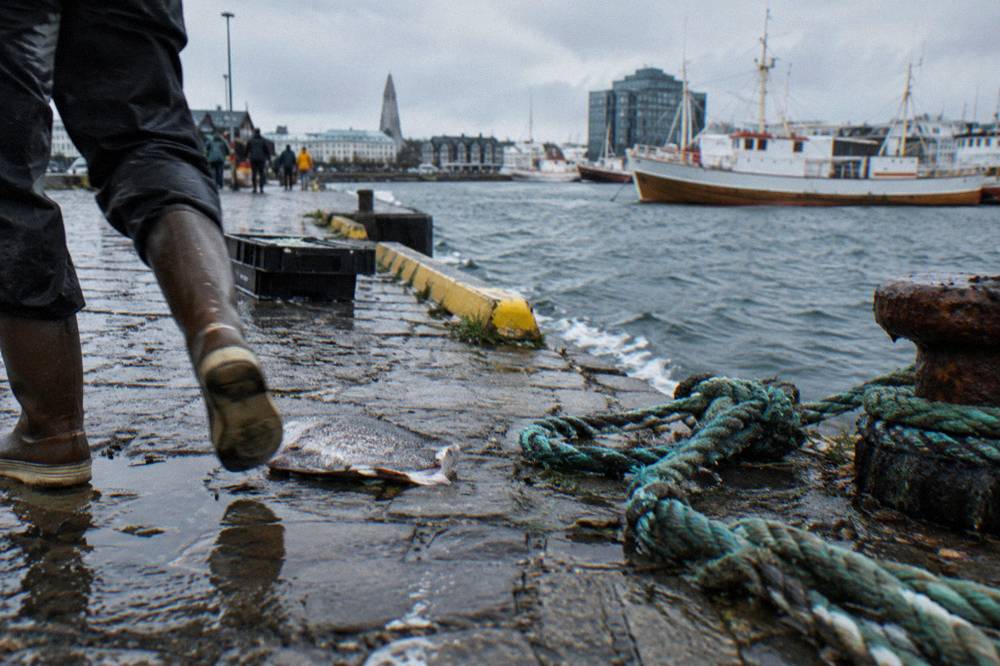
The honest sizing of the problem: central Reykjavik is small and its sidewalks are good. A typical city walking tour covers a couple of kilometers at conversation pace. That distance is gentle; the surfaces are the issue. Polished stone around Harpa, painted markings on the waterfront walk, and winter freeze-thaw on side streets all turn slick in rain or ice, and wet feet in wind is the fastest route to a miserable final hour.
| Footwear type | Summer, May to Aug | Shoulder, Sep and Oct | Winter, Nov to Apr |
|---|---|---|---|
| Waterproof trail shoes | Ideal | Ideal | Good, add ice grips if icy |
| Light hiking boots | Fine, slightly warm | Ideal | Ideal |
| Waterproof sneakers | Good | Good | Marginal in ice |
| Canvas trainers | Risky in rain | Poor | Poor |
| Leather dress shoes | Poor when wet | Poor | Poor, slick soles |
Socks belong in this section rather than as an afterthought. A wool or wool-blend hiking sock keeps feet warm even if the shoe's waterproofing eventually loses a long fight with a puddle, and it prevents the rubbing that flat cotton socks invite on a longer route. Bring a spare pair in your day bag in winter; changing into dry socks halfway through a day is a small luxury that costs almost nothing in pack weight.
From November through March, add a word about ice. Downtown sidewalks are gritted unevenly, and packed snow refreezes into sheets at corners and on the harbour walk. Simple pull-on ice cleats that fit over any shoe weigh a few hundred grams and turn a cautious shuffle into a normal stride. If you would rather not pack them, at least choose the softest, stickiest sole you own, because hard compounds skate on ice regardless of tread pattern.
The distance question comes up here too, and it interacts with shoes: if you are still deciding how much ground a visit covers, the write-up on how long it takes to walk around Reykjavik sets out the real numbers, and they are small enough that shoe comfort, not endurance, is the limiting factor.
Can You Wear Jeans On A Reykjavik Walking Tour?
Yes, jeans are fine on a dry day in any month, and plenty of locals wear them year-round. The catch is rain: denim absorbs water readily, holds it against your skin, and takes hours to dry, so a denim-clad walker caught in a Reykjavik shower spends the rest of the tour cold from the knees down. Wear jeans when the forecast is dry, or pack rain trousers over them when it is not.
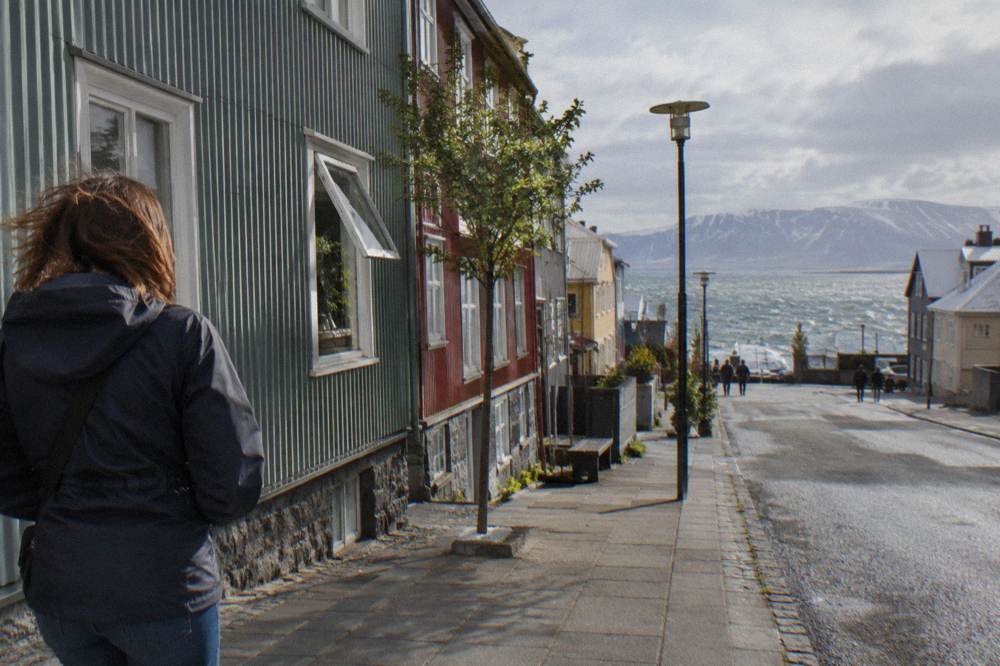
This deserves a calm answer because the jeans question generates disproportionate anxiety. Nothing about Reykjavik forbids denim, and the city is informal: nobody at any café, museum or tour meeting point will notice your trousers. The objection is purely physical. Denim is dense cotton, cotton absorbs several times its weight in water, and Reykjavik averages 9 to 15 rain days per month in every season. The probability of staying dry across a multi-day visit is genuinely low.
The practical middle path: wear jeans on the morning the forecast is confident, and own one pair of quick-dry trousers or leggings for every other day. Rain trousers pulled over jeans solve the problem completely and pack down small, which is the solution most guides and locals land on by the end of their first winter. Synthetic jeans with stretch and a water-repellent finish are a reasonable single-pair compromise, though the coating wears out faster than the denim does.
The same logic, generalized, is the one-sentence version of this whole guide: in Reykjavik, the enemy is water held against your body by wind, and every clothing decision reduces to keeping fabric next to your skin dry. Wool tolerates damp, synthetics shed it, cotton hoards it. Choose accordingly and the rest is styling.
What Should You Pack For A Winter Walking Tour In Reykjavik?
Pack a thermal base layer, a fleece, an insulated waterproof jacket, hat, gloves, a scarf or buff, wool socks, waterproof boots, ice cleats, a small backpack and a headlamp. Winter daylight runs roughly from about 10:00 to 16:30 in November and tighter toward the solstice, so tours start and end in low light, and reflective details on your outer layers are worth having on dark sidewalks shared with cars.
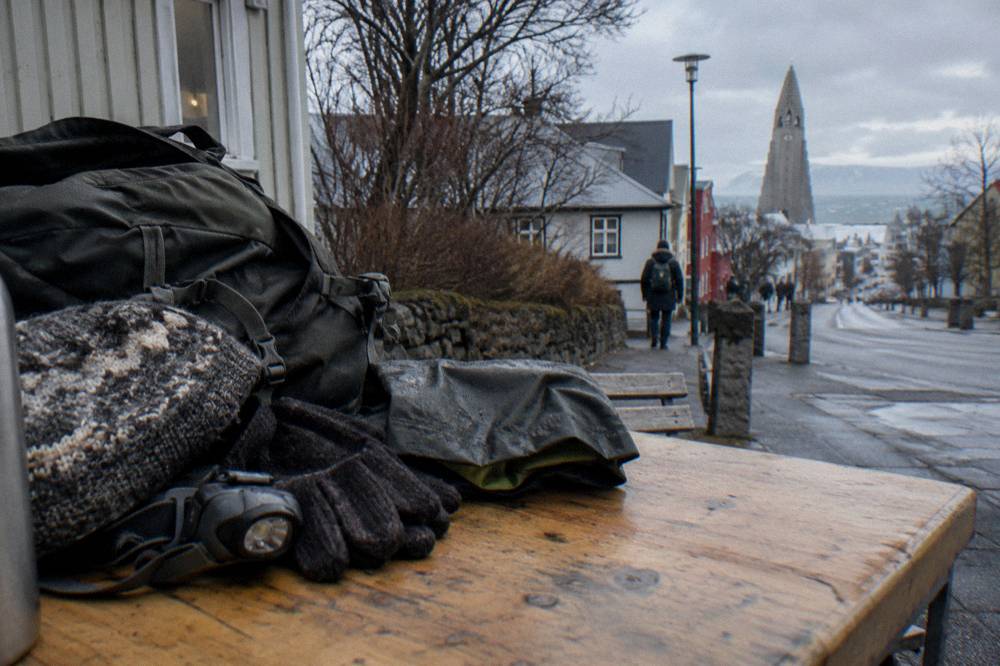
Winter here is milder than the latitude suggests but damper than most visitors expect. December's mean temperature is 0.8 degrees Celsius and January's is 0.7, figures that feel colder in wind and damper clothes, and milder than they look on still days. The packing list above is really a damp-cold list rather than an Arctic one. If you have winter layers for a rainy week in Scotland or the Netherlands, you already own most of it.
| Item | Why it earns its place in the pack |
|---|---|
| Thermal base layer, merino or synthetic | Stays warm when damp, wicks sweat on climbs |
| Fleece or light insulated mid layer | Adds warmth you can remove indoors at museum stops |
| Hooded waterproof shell with taped seams | The single most important item on the list |
| Hat and gloves | Wind chill on the waterfront hits ears and fingers first |
| Wool hiking socks plus a spare pair | Dry socks at the halfway point reset the whole day |
| Waterproof boots with lugged soles | Grip on wet stone and refrozen snow |
| Pull-on ice cleats | Packed-snow corners from November onward |
| Headlamp or phone light | Tours ending after about 15:30 in December finish in the dark |
Two local habits complete the winter kit. First, the city's geothermal pools are the standard post-walk warm-up, and adult admission is 1,500 ISK per the city's official fee schedule, so a swimsuit and quick-dry towel earn their place in the day bag more often than visitors expect. Second, tap water in Reykjavik is safe and excellent, per the city's own public health monitoring, so a bottle you refill at any tap replaces both purchased water and the plastic waste. The pool fees and water quality details are published by the city at Reykjavik's official swimming pool page.
Winter also rewards booking a tour with an earlier start, purely for the light. Sunrise in late October is around 09:07, and by mid-December the usable window narrows further; the published tables at timeanddate.com's Reykjavik sun calendar show exactly how fast the mornings close down through November. A 10:00 or 13:00 departure uses the brightest hours, and an evening slot belongs to the northern lights instead, since the aurora season runs from mid-August to late April.
A 144-minute guided city walking tour, rated 5.0 across 106 reviews and from $52 per person, makes efficient use of the short winter window, with a guide who adjusts pace and indoor stops to whatever the sky is doing.
What Extras Make A Reykjavik Walking Tour More Comfortable?
Pack a day bag with a water bottle, snacks, a power bank, sunglasses and a folded dry bag for electronics, because rain arrives without much warning and phones die fast in the cold. Tipping is not expected or customary in Iceland, so budget nothing beyond the ticket price for the guide, and check the booking page for the meeting point, which varies by operator. Hand warmers are a cheap win from November to March.
None of these extras are survival gear, and that is the point: comfort on a Reykjavik walk is won in small increments. A phone at low battery in near-freezing air can shut down before the tour's last stop, which is both a photography problem and a navigation problem if you are finding your own way back. A charged power bank weighs less than the coffee you will buy anyway.
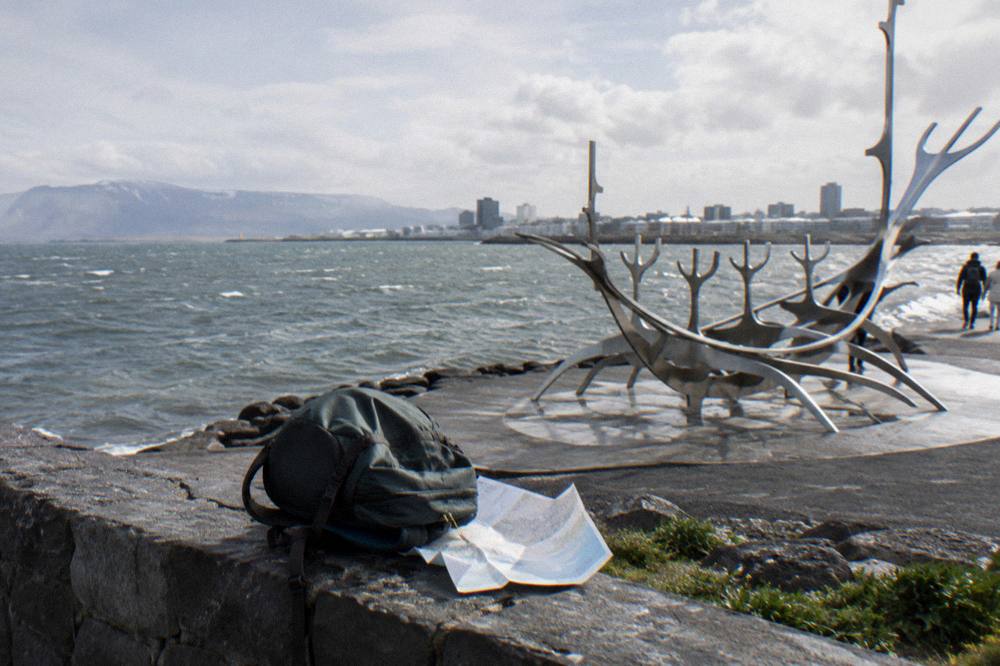
Sunglasses surprise people until the low sun hits wet pavement, or until a June evening tour runs in full daylight late into the night. The dry bag or zip-lock for electronics surprises nobody who has been here through one squall. Snacks matter less, since tours route past cafés, but a couple of energy bars cover a delayed lunch on a day when weather slows everything down.
Getting to your tour's meeting point is the last piece of the day. Buses take contactless payment at the adult single fare of 690 ISK, and the capital-area network covers the downtown well; the details are in how to get around Reykjavik without a car. If the day's forecast is truly grim, the guide to Reykjavik tours in the rain ranks which formats hold up best in a downpour.
For a compressed visit, the Express Walk with a Local runs 60 to 90 minutes and is priced from $89; it has a small review pool so far, so read the listing rather than relying on a rating. It suits a layover or a day squeezed between other plans, and the short duration is forgiving if your clothing turns out to be only half right.
Common Questions About What To Wear On A Reykjavik Walking Tour
Can You Wear Jeans On A Reykjavik Walking Tour?
Yes, on a dry day, in any month. Denim holds rain and takes hours to dry, so wear jeans only when the forecast is confident, or carry rain trousers to pull over them. Quick-dry trousers are the safer everyday choice.
Do I Need Waterproof Shoes For Reykjavik?
Yes for most of the year. Rain falls on 9 to 15 days a month in every season, and wet feet in wind ends a walk early. Waterproof trail shoes or light hiking boots with lugged soles are the best fit for paved downtown routes.
Is An Umbrella Useful In Reykjavik?
No. The wind is steady enough to break umbrella ribs within a few blocks. A hooded waterproof shell does the same job with no moving parts.
How Cold Does A Reykjavik Walking Tour Get In Winter?
Averages sit near 0.7 degrees Celsius in January and 0.8 in December, but wind on the waterfront makes it feel colder. Three layers, hat, gloves and a windproof shell cover the realistic range.
Should I Tip My Walking Tour Guide In Reykjavik?
Tipping is not expected or customary in Iceland, paid tours included. The ticket price is the full cost of the experience.
Do I Need Ice Cleats For Winter Walks In Reykjavik?
From November to March they help a lot on packed snow and refrozen sidewalks, which are gritted unevenly. They are cheap, light, and optional on mild days.