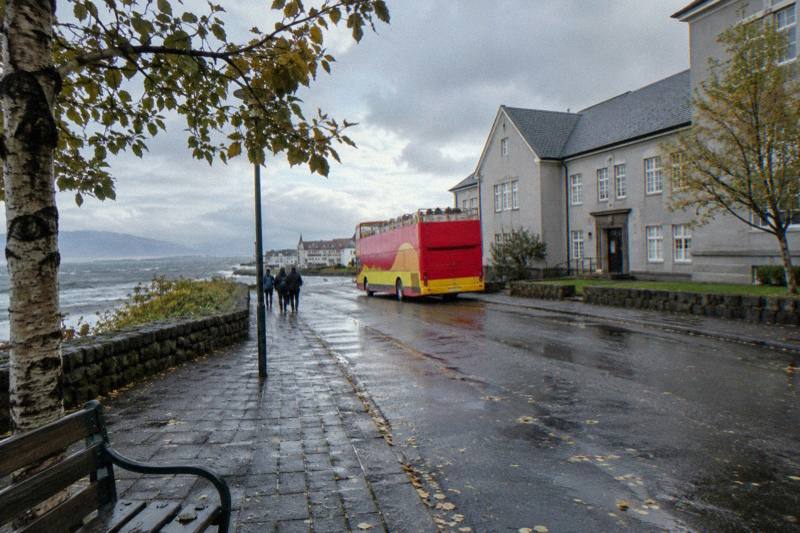
Reykjavik Hop On Hop Off Bus: Route, Stops And Tickets
A sightseeing bus loops Reykjavik's harbour, old town and landmarks daily, year-round, with tickets that let you get off and reboard. Here is what the route covers, what a ticket costs and when the bus actually beats walking.
Short answer
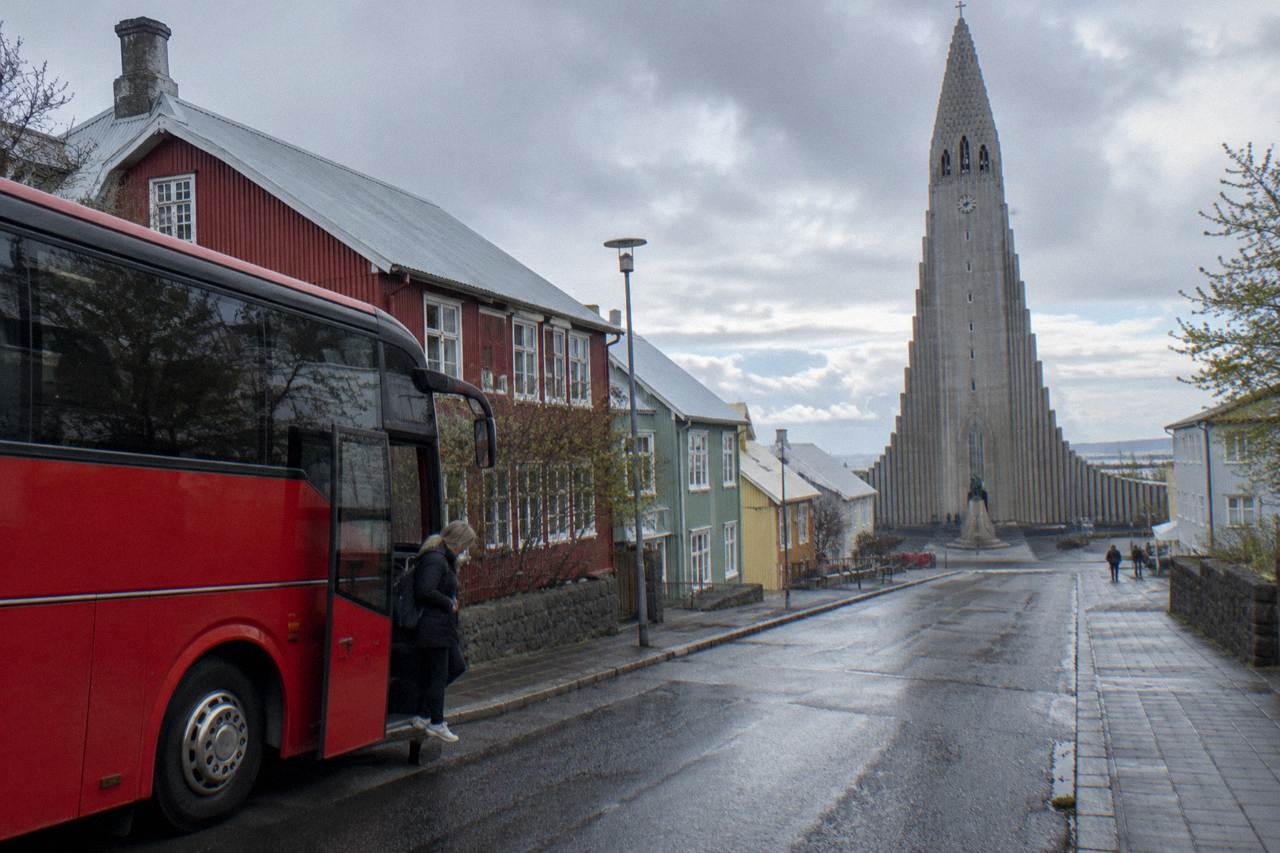
The hop on hop off bus runs a single loop of about 80 to 85 minutes around Reykjavik, with a 24-hour ticket from $53.49 and a 48-hour option. In winter, departures run roughly every 45 minutes. Most of downtown Reykjavik is walkable, so the bus earns its keep mainly for harbour, museum and cruise-port spread.
Reykjavik is a small capital by almost any measure, and that shapes every transport decision a visitor makes. The city centre squeezes into a grid you can cross on foot in about twenty minutes, while the things people actually come to see, the harbour, the museum district at Grandi, the Pearl, spread out along the coast beyond comfortable walking range for some travellers. The hop on hop off bus sits exactly in that gap.
The service runs as a City Sightseeing hop-on hop-off operation, with a 24 or 48-hour ticket to explore at your own pace, adapted here to a compact coastal loop. Tickets come in two options: 24 or 48 hours: a 24 or 48-hour City Sightseeing ticket from $53.49, rated 3.2 across 909 reviews, and a one-day City Sightseeing hop on hop off bus tour from $53, rated 4 across 1,536 reviews. This guide lays out what the loop covers, what tickets cost, how seasons change the schedule and, honestly, when a walking tour or a public bus serves you better. If you're still weighing whether this style of sightseeing suits your trip, our guide to the Reykjavik hop-on hop-off bus and its seasonal breaks explains how the service works and what to expect before you commit.
How Does The Reykjavik Hop On Hop Off Bus Work?
The bus runs one continuous loop of Reykjavik's main sightseeing points, and your ticket lets you board any bus on that loop for the ticket's full duration, 24 or 48 hours depending on which you buy. You hop off wherever interests you, then catch a later bus on the same ticket. There is no separate route network to learn, one loop serves everyone, and a recorded audio guide plays through headphones on board.
The mechanics are simple. You board, show or scan your ticket, plug in the supplied earphones or your own, and pick a language channel. The recording announces each stop as the bus approaches, with a dose of history and local colour between them. When something catches your interest, you get off. When you are finished, you return to any stop on the loop and board the next bus; the driver scans the same ticket again.
The full loop, without getting off, takes about 80 to 85 minutes according to operator listings. That figure matters for planning: if buses run every 45 minutes, as they do on the winter schedule, a single stop visit plus reboarding can eat two hours of your day once you account for the wait. Two or three well-chosen stops is a realistic day; five is a sprint.
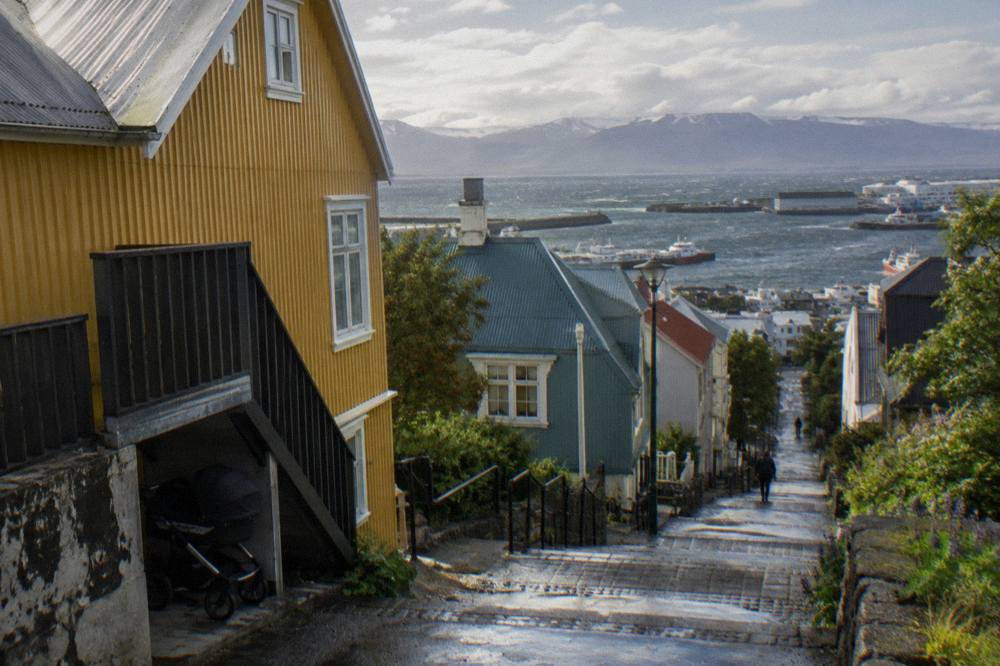
Tickets are digital. You book online, receive a voucher and present it on your phone at boarding. The booking page for the specific product you choose lists the meeting point and the first-bus boarding location, and that page also carries the live schedule for the day you travel, which matters in shoulder seasons when frequencies shift. One point worth knowing from recent history: the service was suspended entirely between 2 March and 23 May 2026 for a seasonal break, so late-spring travellers should always check the booking page before counting on it.
What Stops Does The Bus Serve In Reykjavik?
The loop connects the Harpa concert hall at the old harbour, the city centre around the lake and the main shopping street, the Hallgrimskirkja church area, the Perlan museum hill and the seafront at Grandi, in one circuit. The published stop list is the operator's own, and it can be adjusted between seasons, so treat the booking page's current stop map as the authority for your travel dates.
The value of the stop list is that it stitches together the things that are awkward to walk between. Downtown Reykjavik, from the pond to the shopping street to the church, is a ten-minute stroll in any direction. But Perlan sits on a hill about two kilometres south of the centre, and Grandi, the harbour district with the Saga Museum and the food hall, stretches west along the water. On foot that triangle is a solid hour of walking with nothing much in between; on the bus it is a seat with a view.
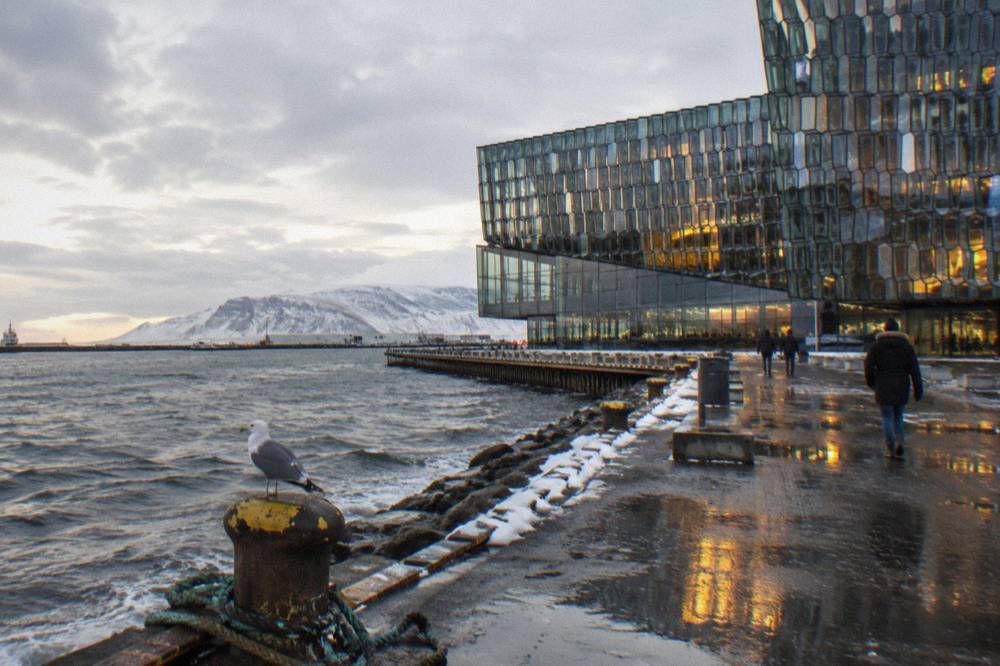
The stop spacing also reveals the honest use case. If your interests cluster downtown, the church, the lake, the shopping street, you will walk faster than the bus. The bus pays off for the spread: Perlan's observation deck and museum, the harbour boats, the Grandi museums and, in summer, the puffin and whale departures that leave from the piers the bus passes. Cruise passengers get particular value here, since the port area connects to the rest of the loop without a taxi; the cruise port tours guide covers that scenario in detail.
A note on stops inside attractions: the bus drops you at the door, but entry is separate. Perlan and the Saga Museum sell their own tickets, and the Hallgrimskirkja tower is ticketed in the church shop, on site only, with no advance booking. Budget those admissions separately from the bus fare, and check the church's opening hours page for service-day closures.
To turn a loop ticket into an actual day, it helps to sort the stops by what they offer and how long each deserves. The table below groups the loop's anchor points by the kind of visit they suit, with the admission situation stated plainly where a figure is not confirmed.
| Loop area | What it offers | Typical stop length | Admission |
|---|---|---|---|
| Harpa and the old harbour | Concert hall architecture, boat tour departures | 30 to 60 minutes | Harpa entry as listed; boat tours booked separately |
| Downtown core and lake | Shopping street, city hall, pond | 45 to 90 minutes | Free to wander |
| Hallgrimskirkja area | Church, tower view, cafes | 30 to 45 minutes | Tower ticketed on site at the church shop |
| Perlan hill | Museum and observation deck | 60 to 90 minutes | Separate ticket, price on the venue's page |
| Grandi seafront | Saga Museum, food hall, harbour walks | 60 to 120 minutes | Saga Museum adult 4,000 ISK |
How Much Does A Hop On Hop Off Ticket Cost In Reykjavik?
The 24 or 48-hour City Sightseeing ticket starts from $53.49, and the one-day product starts from $53, both per person. Children's rates and family pricing appear on the booking page for each product. Against alternatives, a single public bus fare in the capital area is 690 ISK and the Reykjavik City Card runs 6,100 ISK for 24 hours, so the sightseeing bus sits between them in price with a different job to do.
The per-person "from" price moves with season and demand, which is why it is a from-price and not a fixed one. What you get for it is the loop transport plus the recorded commentary, which a city bus does not offer. What you do not get is entry to anything: museums, pools, the tower, all separate.
| Option | Price basis | What it covers | Best for |
|---|---|---|---|
| Hop on hop off, 24 or 48-hour ticket | From $53.49 per person | Unlimited loop rides for the ticket duration, audio guide | Harbour, Perlan and Grandi spread in one or two days |
| Hop on hop off, one-day ticket | From $53 per person | One day of unlimited loop rides | A single sightseeing day, often cruise visitors |
| Small-group walking tour | From $50.08 per person | About 2 hours with a live guide downtown | History, stories and questions answered |
| Public bus, single fare | 690 ISK per adult ride | Point to point in the capital area | Getting somewhere specific, not sightseeing |
| Reykjavik City Card, 24 hours | 6,100 ISK | 17 museums, 8 pools, all city buses | Museum-heavy stays |

For families, the arithmetic can flip quickly. Two adults and two children buying four hop on hop off tickets are spending over $200 for a day of loop rides; the same family might do better with a City Card, under-18s enter museums free with an adult card, or with the free walk-and-bus combination covered below. The official City Card page lists everything the card includes before you commit either way.
Bus Or Walking Tour: Which Suits Reykjavik Better?
For downtown Reykjavik, a walking tour wins on substance: the small-group City Walk tour is rated 4.9 across 5,260 reviews from $50.08, slightly less than the bus, and a live guide answers questions no audio recording can. The bus wins on geography, covering Perlan, Grandi and the harbour without the legwork. Many travellers do both: walk the centre on day one, bus the spread on day two.
The price overlap is the striking part. Two hours with a local guide in a small group costs less than a day on the bus, and the review pools point the same direction: 4.9 across 5,260 reviews for the walk versus 3.2 across 909 and 4 across 1,536 for the two bus products. Sightseeing buses everywhere score lower than walking tours, because weather, traffic and headphones dilute the experience; Reykjavik is no exception, and its famous wind does the audio channel no favours.
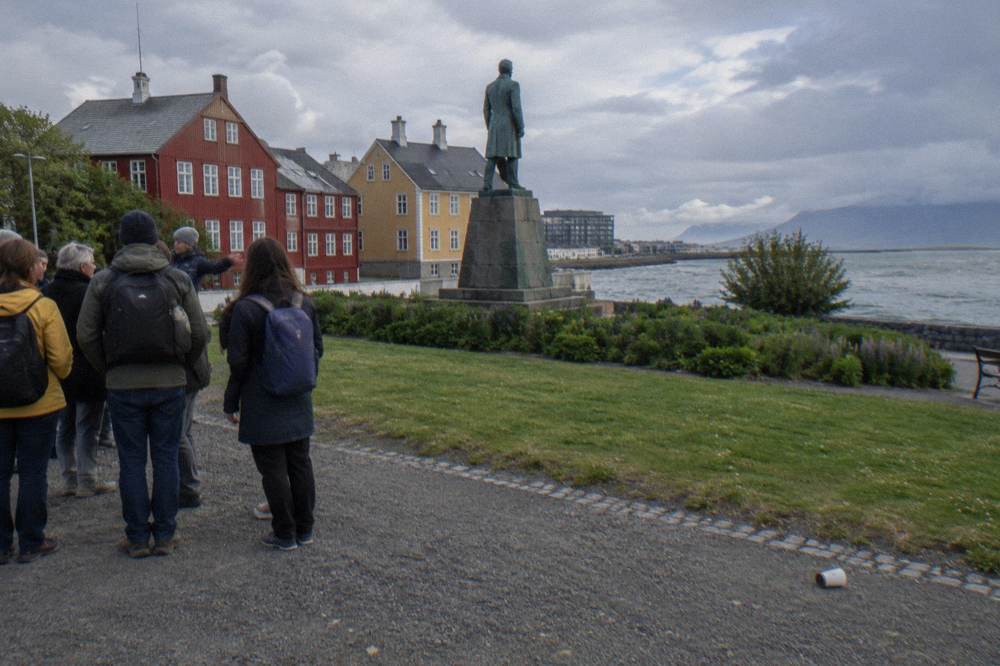
But the comparison is not really apples to apples. The walking tour covers the centre; the bus covers the city. If your Reykjavik list includes the Perlan hill, the Saga Museum at Grandi and a whale departure from the old harbour, the walking tour physically cannot serve you, and the bus connects all three. The main walking tour guide breaks down what the guided walks cover stop by stop.
A practical hybrid many visitors land on: take the bus for the loop's outer reach, and spend your centre time on foot, either with a guide or using the self-guided walking route. That way nothing you paid for the bus duplicates what you would walk anyway.
When Does The Bus Run Through The Year?
The bus does run through winter, but not on an unbroken year-round schedule; frequencies and hours shift with the seasons, and the service was suspended from 2 March to 23 May 2026. Operator listings for the winter period show departures roughly every 45 minutes from about 9:30 in the morning, with the last departure at about 16:15 from the Harpa side, and the full loop taking 80 to 85 minutes.
That winter rhythm is dictated by daylight as much as demand. Reykjavik in mid-December has about four hours of proper daylight, and by mid-November the sun rises near 10 and sets before 17:00. A sightseeing bus cannot run a 9:30 to 18:00 schedule in darkness nobody sightsees in, so the schedule compresses hard. The practical consequence: in deep winter you get a handful of loops per day, and a 48-hour ticket buys you fewer rides than the same ticket in June, when the sun barely sets and the schedule stretches.
The one-day bus product runs year-round too and follows the same seasonal pattern. Between the two products the difference is ticket length, not route: the 24 or 48-hour version lets you choose your duration, which matters more in winter when each loop departure is precious. Check the booking page for the exact timetable on your dates, since seasonal transitions in spring and autumn move the times.
Summer is the opposite problem: long evenings, more departures, and cruise-ship crowds at every stop. June through August is when the 48-hour option earns its price, since you can spread stops across two days without rushing. Shoulder months, September, October and May, land between the two schedules and are exactly when the booking page's live timetable is worth reading before you plan your day.
How Does The Bus Compare With Public Transport?
The city's public buses, Straeto, cost 690 ISK per adult single with contactless payment on board and children 11 and under free, which can undercut the sightseeing bus for simple point-to-point trips. But public buses are not sightseeing transport: no commentary, no guaranteed seats, no harbor loop. The bus tour sells the experience of the loop; Straeto sells the ride.
The fare rules changed in 2026 in ways a visitor should know. Straeto stopped selling 24-hour and 72-hour day passes in July 2026, replacing them with automatic fare capping: pay contactless for each ride and you are never charged for more than three rides a day or nine a week at the adult fare. For a visitor making a few bus trips in a day, that cap does the work the old day pass used to do, without buying anything in advance. The official fare page carries the full price list.
| Feature | Hop on hop off bus | Straeto city bus | Reykjavik City Card |
|---|---|---|---|
| Cost for a day of riding | From about $53 per person | Capped at three adult fares per day | 6,100 ISK for 24 hours |
| Audio commentary | Yes, 8 languages | No | No |
| Route | Sightseeing loop only | Whole capital area, fixed lines | Whole capital area, fixed lines |
| Kids | Child rates on booking page | 11 and under free | Under-18s free at museums with adult card |
| Extras included | None | None | 17 museums, 8 pools, Videy ferry |
One wrinkle worth flagging: Straeto has announced reduced services on some capital-area routes from 1 December 2026, which could thin frequencies on the lines a visitor is most likely to use. The sightseeing loop is unaffected by that, but anyone planning to lean on public buses in winter should check current timetables. The getting around without a car guide covers the full toolkit, buses, scooters, bikes and feet.
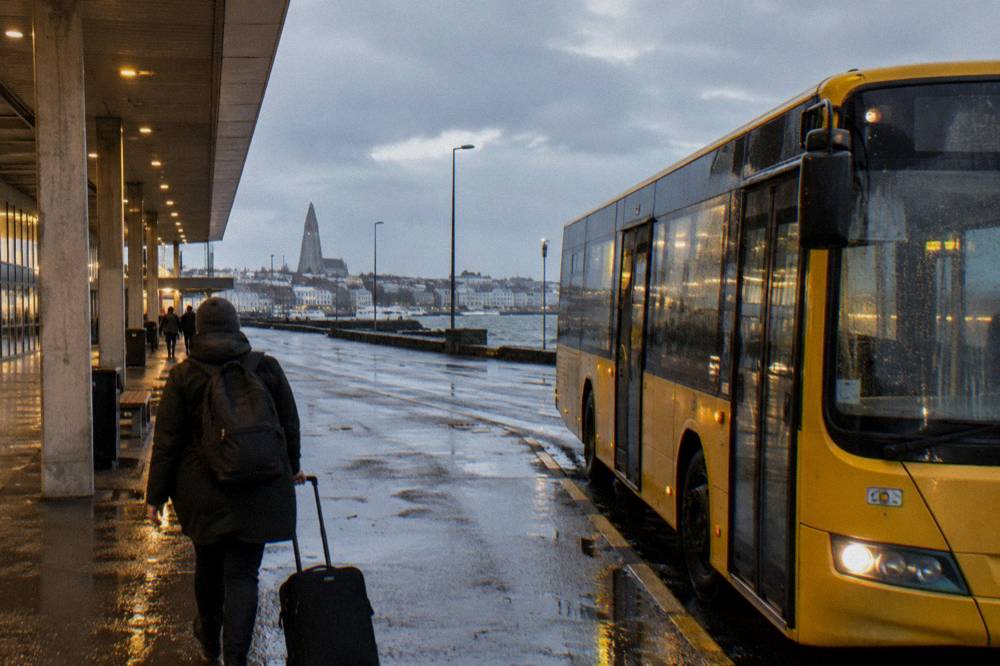
The comparison also depends on where you are coming from. If your hotel is central, you may never need a bus of any kind. If you are staying in the suburbs or arriving from Keflavik, the Flybus airport transfer lands you at the BSI terminal, from which the sightseeing loop and city buses are both a short walk. And if rain arrives, as it does on 9 to 15 days a month in Reykjavik year-round, the enclosed bus suddenly looks better than any walking plan; the tours in the rain guide ranks the wet-weather options. To weigh every option from walking to the city buses against the loop, the full guide to getting around Reykjavik compares the costs side by side.
Is The Hop On Hop Off Bus Worth It In Reykjavik?
For most visitors with one to two days and an interest in the harbour, Perlan and Grandi, yes: the ticket from $53.49 buys the spread that walking cannot cover, with commentary attached. For visitors whose interests stay downtown, no: a walking tour from $50.08 does more with the same money, and scored far better with reviewers. The bus is a geography solution, and it earns its price exactly as far as your plans stretch beyond the centre.
The honest case against is the review gap. A 3.2 rating across 909 reviews on the 24 or 48-hour product is lukewarm, and the lower-scoring of the two hop-on hop-off listings rates 3.2 across 909 reviews, so read recent feedback on the booking page before committing. The one-day product fares better at 4 across 1,536 reviews. Neither is a poor product; both are a format with known limits, best bought knowingly.
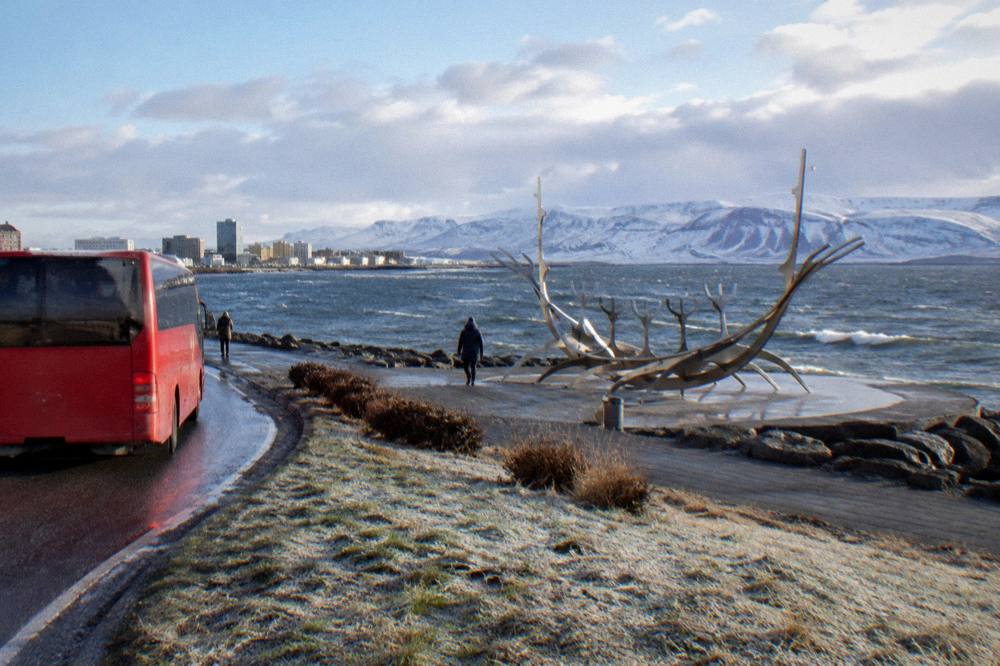
The honest case for is mobility economics. Add up what the loop replaces: a taxi to Perlan, a walk back, a second taxi to Grandi, a wet evening return. For travellers with limited mobility, families with tired children, or anyone racing daylight in winter, the bus converts a fragmented day into one ticket. Pair it with the right food stop and the day writes itself; the food tour guide covers the tasting walks if you would rather eat your way through the centre with a guide instead.
One last pairing worth naming: the loop passes the old harbour, where whale watching and puffin boats depart on their own schedules. A morning boat plus an afternoon bus loop is a classic Reykjavik day, and the harbour whale watching guide times the departures against each other. Whether Reykjavik City Tours sends you around by bus, by boat or on foot, the city rewards travellers who match the transport to the spread of what they came to see.
Common Questions About The Reykjavik Hop On Hop Off Bus
How Does The Reykjavik Hop On Hop Off Bus Work?
One loop of about 80 to 85 minutes connects the harbour, centre, Perlan and Grandi. Your 24 or 48-hour ticket lets you get off at any stop and reboard any later bus, with an audio guide in eight languages on board.
What Stops Does The Bus Serve In Reykjavik?
The loop ties together Harpa concert hall, the downtown core, the Hallgrimskirkja area, Perlan and the Grandi harbour district. The exact stop list is the operator's own and can shift between seasons, so confirm it on the booking page before you plan.
How Much Does A Hop On Hop Off Ticket Cost In Reykjavik?
The 24 or 48-hour ticket starts from $53.49 per person and the one-day product from $53, with children's rates listed on each booking page. Attraction admissions are not included.
Is The Bus Better Than A Walking Tour In Reykjavik?
Downtown, no: the small-group walking tour is rated 4.9 across 5,260 reviews and costs slightly less. The bus wins for the spread beyond the centre, Perlan, Grandi and the harbour, which walking tours do not cover.
Does The Bus Run In Winter?
Yes, on a compressed schedule, but not daily year-round: the service is suspended 2 March to 23 May 2026. Winter operator listings show departures about every 45 minutes from roughly 9:30, last bus about 16:15. The service did pause fully from 2 March to 23 May 2026, so check the booking page in shoulder seasons.
Can I Use The Bus Instead Of Public Transport?
Not really. The loop is sightseeing transport, while city buses at 690 ISK a ride with fare capping go everywhere in the capital area. Many visitors use the bus for the loop and city buses or feet for everything else.