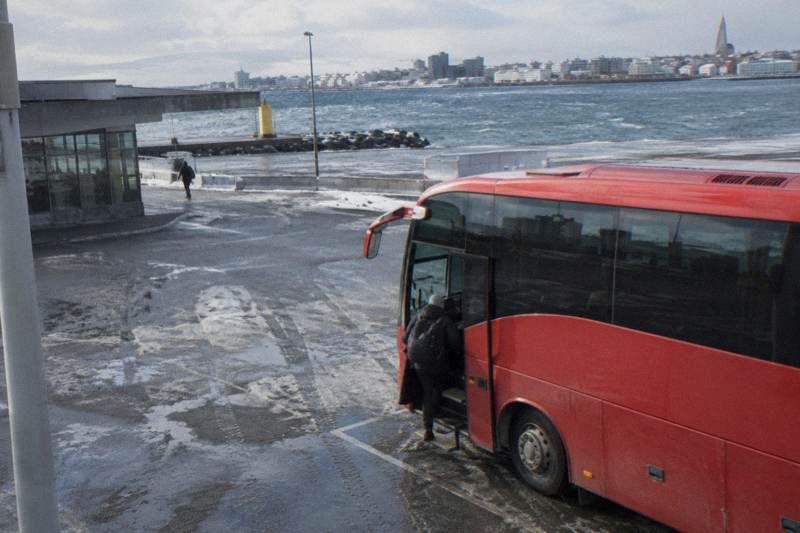
How To Get Around Reykjavik Without A Car
Getting around Reykjavik without a car is not a compromise, it is how a large share of visitors do it. The centre is compact, the Straeto bus network covers the capital area for a flat 690 ISK single fare, and tours double as transport.
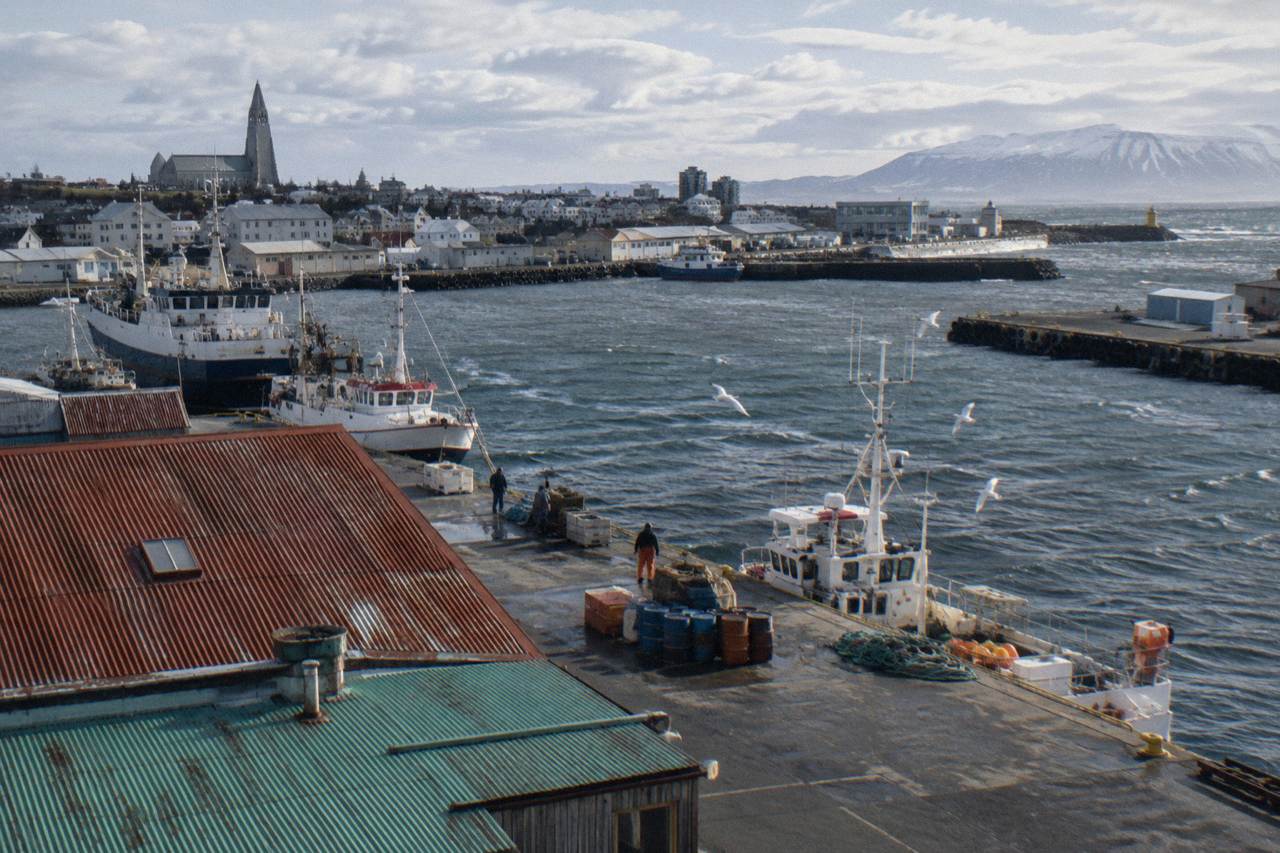
Short answer
You do not need a car in Reykjavik. Downtown is walkable end to end in about 30 minutes, Straeto buses cost 690 ISK per adult single with fare capping, the Flybus connects Keflavik Airport to the BSI terminal for 3,999 ISK, and a hop-on hop-off bus ticket from $53.49 loops the main sights every 45 minutes in winter.
Getting around Reykjavik without a car is genuinely easy, and that is not marketing talk, it is a fact of the city's shape. The capital area holds most of Iceland's population on a small peninsula, the sights visitors come for sit inside a couple of square kilometres, and the pieces that sit farther out, the harbour, the beach, the open-air museum, are all on a public bus network with a flat fare. A full day in the city can be done on foot alone. Picking the right base makes that walkability pay off, and our neighbourhood guide to where to stay in Reykjavik compares each district so you can choose the one that fits your plans.
The car-free question usually hides two smaller ones. Can you cover the city itself without driving, and can you handle arrival, departure and the odd farther-flung stop? This guide answers both, with the real fares, the seasons and the practical traps, and it also covers a third thing most visitors miss: in a city this compact, a guided tour is often the cheapest form of transport that also explains what you are looking at. The same logic works on the water, and a practical puffin boat tour guide shows how to fold one of those trips into a car-free day in the city.
Do You Actually Need A Car In Reykjavik?
No, and for most visits a car in Reykjavik proper is a cost, not a convenience. Downtown is compact, and the walk from the harbour to the pond is short enough to cover easily on foot at a relaxed pace. Parking in the centre is paid, scarce and zone-controlled, and the attractions that draw people out of the centre, the lighthouse, the nature reserve at the city edge, the open-air museum, are served by buses or tours.
The case for renting a car is the day trips: the Golden Circle, the south coast, the Snæfellsnes peninsula. Those are not city transport, and you can read how a city tour pairs with a Golden Circle day elsewhere on Reykjavik City Tours. For everything inside the capital area, a car sits parked most of the day while you pay for the privilege.
What a car-free day actually costs is worth setting out next to what a rental day costs. The table below compares transport fares with the listed from-prices of city tours.
| Transport | Cost | Basis | Best for |
|---|---|---|---|
| Walking | free | the whole downtown core | everything within 20 minutes of the pond |
| Straeto bus | 690 ISK per single | adult fare, capped at 3 rides per day | pools, museums, districts outside the centre |
| Hop-on hop-off bus | from $53.49 per person | 24 or 48 hour ticket | a loop of the main sights with audio guide |
| Small-group walking tour | from $50.08 per person | about 2 hours with a guide | orientation plus history on day one |
| E-bike tour | from $134 per person | about 2 hours, coast and city | covering ground fast with commentary |
| Flybus from Keflavik | 3,999 ISK per adult | one way to BSI terminal | airport transfer |
One structural point that first-time visitors underrate: Reykjavik's centre is not just small, it is layered. The harbour, the main shopping street, the cathedral and the pond sit in a stack you can cross diagonally in half an hour, so the walking you do naturally between them replaces most of what a car would do.
How Do The Straeto Buses Work In Reykjavik?
Straeto is the capital-area public bus network. An adult single fare is 690 ISK, paid by contactless card or the Klapp card, children 11 and under ride free, and fares are capped so you never pay for more than 3 rides a day or 9 a week. The old 24 and 72 hour day passes are no longer sold, so a contactless tap per ride is now the standard visitor setup.
The network covers the whole capital area: Reykjavik itself plus the neighbouring towns where many budget hotels sit, Kópavogur, Hafnarfjörður, Seltjarnarnes and Mosfellsbær. If your accommodation is outside the centre, the bus is the reason you do not need a car at all. Current fares are published on the official Straeto pricing page.
A few practical notes from the verified fare rules:
- Discounted fares exist for young people 12 to 17, riders 67 and over, and disabled passengers, at 345 ISK and 207 ISK respectively. The night bus charges the full 690 ISK with no discounts.
- The 30-day pass at 12,000 ISK is for residents and long stays, not a typical visitor product.
- Contactless payment with a bank card is the simplest option for visitors; the Klapp card costs 1,000 ISK on top of any credit you load.
- Route 55 to Keflavik Airport is excluded from the Reykjavik City Card, so do not plan on the City Card covering your departure transfer.
One forward-looking note: Straeto has announced reduced services on some capital-area routes from 1 December 2026. If you are travelling in deep winter or early 2027, check the route you plan to use a day or two ahead.
For visitors weighing a pass against pay-per-ride, the neighbouring question is answered in detail in the guide to whether the Reykjavik City Card pays off, since the card bundles unlimited buses with 17 museums, 8 pools and the Videy ferry at 6,100 ISK for 24 hours.
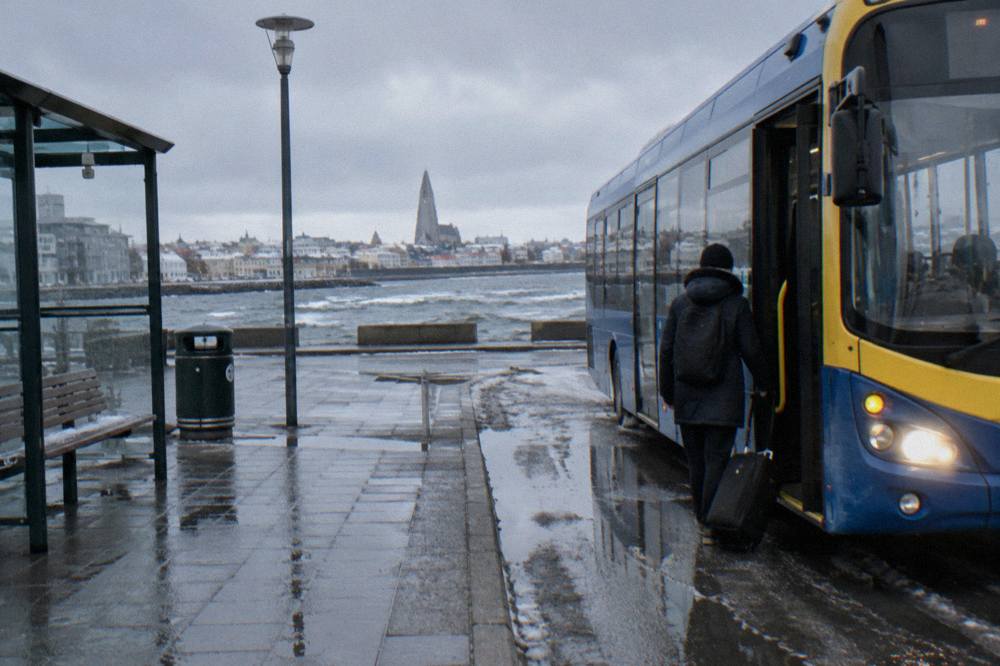
Where tours slot into a bus-based plan is simple: the bus moves you, the tour teaches you. A visitor who rides the bus to Laugardalur for the pools and the zoo on day two will get far more from a guided walk through the centre on day one, because the guide names what the bus route only passes.
That combination, transport plus orientation, is exactly what the two most-reviewed options here do. The hop-on hop-off bus loops the headline sights, and a small-group walking tour takes the same centre street by street.
A note on the hop-on hop-off specifically, because it has a history here: the service was suspended in spring 2026 between 2 March and 23 May. The bus does not run daily year-round: service pauses in spring, so check dates before you go. In winter it departs about every 45 minutes from roughly 9:30, with the last departure at 16:15 from Harpa, and a full loop takes about 80 to 85 minutes. Check the booking page for the current schedule on your dates.
Should You Take The Hop-On Hop-Off Bus Around Reykjavik?
The hop-on hop-off bus is worth it for one specific job: a first-day loop of the sights that sit beyond comfortable walking range, with a 24 or 48-hour ticket. A 24 or 48 hour ticket costs from $53.49 per person, the service is rated 3.2 across 909 reviews, and it is the only transport option that includes commentary while it moves you. If you're weighing whether it fits your trip, our guide to the hop-on hop-off bus in Reykjavik explains the route, the seasonal service pause, and when exploring on foot makes more sense.
Those review numbers deserve an honest read. A 3.2 across 909 reviews is a middling score, and the two hop-on hop-off listings score differently, 4 across 1,536 reviews on one and 3.2 across 909 on the other: an open-deck loop in horizontal rain disappoints people who would have loved it on a clear day. The practical conclusions are to prefer it in decent weather, sit inside if the deck is wet, and treat it as transport plus orientation rather than entertainment.
What the ticket does well is connect the spread-out pieces. The centre itself needs no bus, but the harbour area, the church tower viewpoint and the spots beyond the pond add up to more walking than some visitors want on day one, and a loop ticket lets you hop off where a stop interests you and rejoin the next departure.
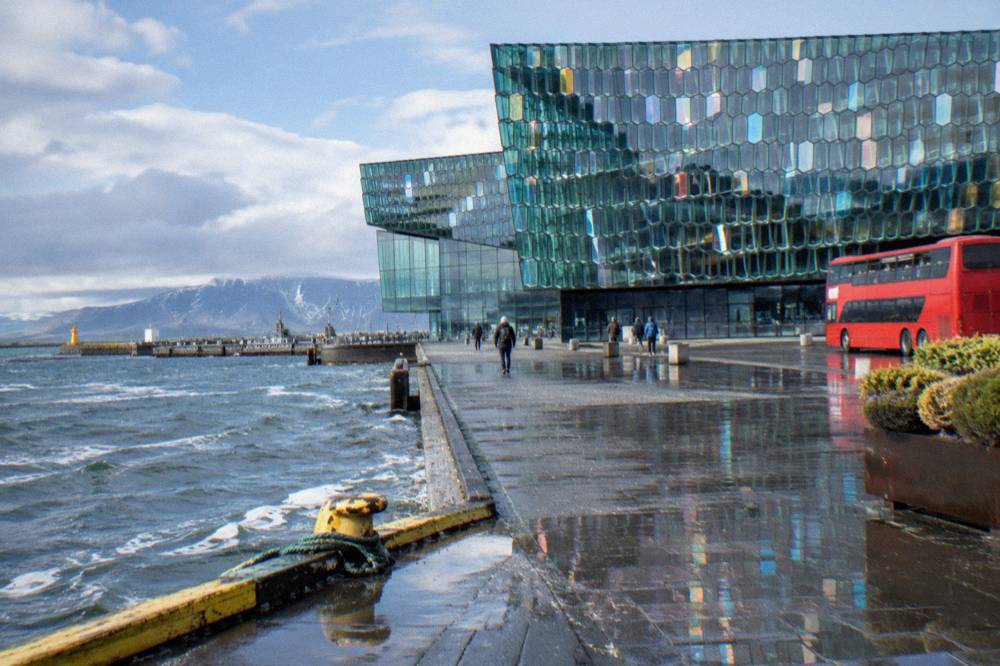
Who should skip it? Anyone travelling mid-week in high summer with good legs and a map, because the whole loop is walkable, and anyone whose trip is entirely winter city-break style, since the 16:15 last departure cuts the day short. Solo travellers on a strict budget may also prefer the free-to-book, tip-based walking tours described in the free walking tour guide, which cost whatever you choose to give.
Who should take it? Families with tired children, anyone with mobility limits that make the downtown hills a chore, and first-day visitors who want the geography explained while someone else drives.
One honest comparison point: the ticket costs many times the price of a single bus ride, so purely as transport the Straeto network wins. You are paying for the route design, the stops at the sights and the commentary, and that is a fair trade only if you will actually hop on and off more than once.
Can You Explore Reykjavik Entirely On Foot?
Yes, and most visitors do exactly that without noticing. Downtown Reykjavik runs about 1.5 kilometres harbour to pond, the flat centre takes 20 to 30 minutes to cross, and every headline sight, Hallgrimskirkja, Harpa, the Sun Voyager, Laugavegur and the Old Harbour, sits inside one walkable rectangle.
The honest caveats are hills and weather, not distance. The centre rises from the harbour up to the church, a steady but gentle climb, and Icelandic weather can turn a pleasant stroll into a soaking. The fix is clothing, not transport, and the what to wear on a Reykjavik walking tour guide covers the layers that make walking viable in any month.
Distances that matter to a car-free plan:
| Walk | Approximate time | Notes |
|---|---|---|
| Old Harbour to Hallgrimskirkja | 15 to 20 minutes | gentle uphill, the classic first walk |
| Hallgrimskirkja to Harpa | 15 minutes | down through the centre |
| Laugavegur end to end | 15 minutes | the main shopping street |
| Downtown to Perlan | 25 to 30 minutes | uphill, or bus to the stop below |
| Downtown to Hofdi House | 15 minutes | flat along the seafront |
| Centre to Laugardalur pools | 45 minutes on foot | better by bus, about 10 minutes |
Winter daylight shapes walking plans more than distance does. On 1 November the sun rises at 9:10 and sets at 17:10, roughly eight hours of daylight, and by the winter solstice the day shrinks to about four hours. A walking plan that would be casual in June needs scheduling in December, which is one reason the Reykjavik tours in winter guide recommends morning starts.
The walking-tour-as-transport idea earns its place here. The small-group CityWalk option, rated 4.9 across 5,260 reviews and priced from $50.08, works best as a day-one orientation walk: after two hours with a local guide you know the centre's geography well enough that you never need transport again inside it.
For a slower, smaller-group alternative on the same streets, the small-group city walking tour with a local guide runs about 2 hours 30 minutes, rated 4.8 across 616 reviews from $49. Both do the same transport-plus-knowledge job; pick on schedule and group size preference rather than price.
What About Bikes, E-Bikes And E-Scooters In Reykjavik?
Two wheels work well in Reykjavik, with care. A guided e-bike tour costs from $134 for about 2 hours and covers the coast path, the nature strip at the city edge and the centre in one loop, while shared Hopp e-scooters run at 115 ISK to start plus 45 ISK per minute and are limited to riders 18 and over. Neither needs a car, and both need weather awareness.
Cycling infrastructure in the capital is decent along the seafront and the dedicated paths, and the flat harbour side is pleasant riding. The caveats are the same ones locals repeat: wind, which on a bad day turns a ride into a fight, and shared paths where pedestrians have priority. The Reykjavik bike tour guide covers routes in depth.
A guided e-bike ride is the car-free visitor's fast option. The electric assist flattens the hills and shortens the distance, and because a guide leads it, the route choices, the traffic-free sections, the stops worth making, are already solved. The e-bike tour of nature, coast and city runs about 2 hours from $134; it is a newer product with just 7 reviews so far and a 4.3 rating, so read the listing's description and cancellation terms yourself.
E-scooters fill a different gap: the single trip that is too long to walk and too short to be worth waiting for a bus. At 115 ISK plus 45 ISK per minute, a 10 minute ride costs roughly 565 ISK, cheaper than a bus single and door to door. The catch is that pricing compounds quickly, a 20 minute scoot costs less than two bus rides, so treat them as gap-fillers rather than a day pass. Riders must be 18 or over, and operation is year-round, though winter ice makes them a poor idea for several months. Rates are listed at the operator's Reykjavik page.
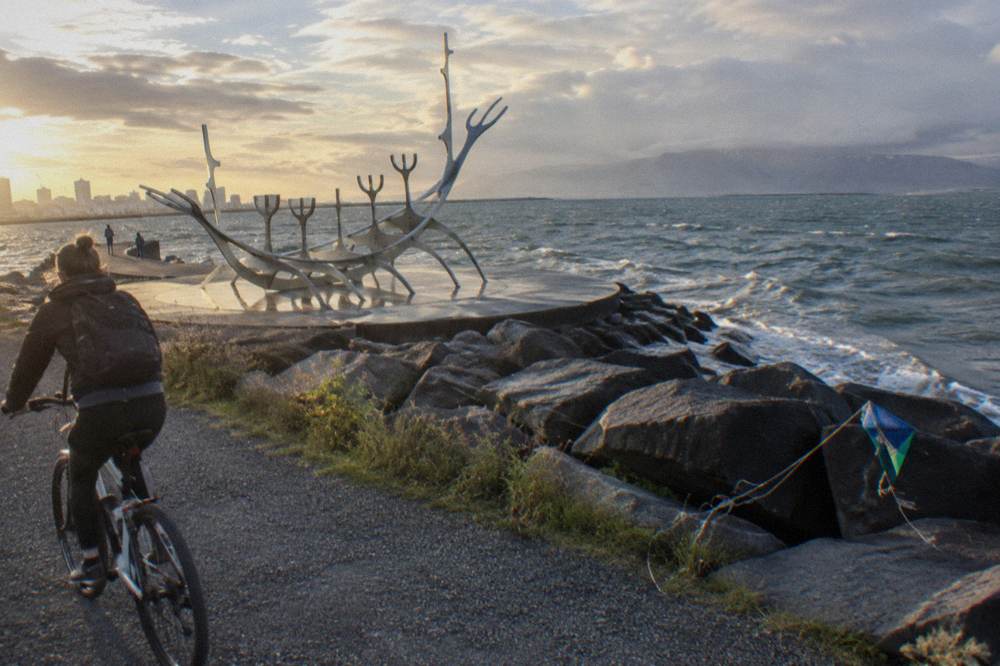
Other formats exist too, from e-bikes to hop-on hop-off buses, and the guides compare them all. The short version: e-bikes for distance and comfort, scooters for short hops, and neither for a night out in December.
How Do You Get From Keflavik Airport Without A Car?
The Flybus is the standard car-free transfer. An adult one-way ticket to the BSI bus terminal in central Reykjavik costs 3,999 ISK, takes about 45 minutes, meets scheduled flights, and an onward hotel drop-off version costs 5,299 ISK. Children 1 to 5 ride free and youths 6 to 15 pay 1,999 or 2,649 ISK depending on the version.
BSI is the arrival point, and from there the car-free plan completes itself: the terminal sits at the southern edge of the centre, so most downtown hotels are a 10 to 20 minute walk with luggage, or one short bus or taxi ride. Full fares, including the odd-sized luggage charge of 1,500 ISK and the bicycle charge of 3,800 ISK, are on the official Flybus price list.
The budget alternative is Straeto route 55, the public bus option, slower and with less luggage space but markedly cheaper for solo travellers. Note again that route 55 is the one bus line the City Card does not cover, so it is a pay-separately ride in both directions.
| Transfer option | Adult cost one way | Time | Notes |
|---|---|---|---|
| Flybus to BSI terminal | 3,999 ISK | about 45 min | meets arrivals, standard luggage included |
| Flybus with hotel leg | 5,299 ISK | 45 min plus transfer | drops at central hotels |
| Straeto route 55 | about 2,400 ISK | slower than the Flybus | public bus, luggage space limited |
| Taxi | metered, expensive | about 45 min | agree the fare beforehand |
Departure day needs a little planning because the airport sits well outside the city and check-in for international flights opens three hours before departure. Most car-free travellers book the Flybus for a departure two and a half to three hours before their flight time, and the booking page lists the schedule that pairs with each departure.
What Does A Car-Free Day In Reykjavik Actually Look Like?
A realistic car-free day stacks a morning guided walk, an afternoon on buses or a loop ticket, and an evening in the walkable centre, all for less than a typical car rental day once parking is counted. The city's shape rewards this pattern: orientation first, then spread out, then return to the centre, where every restaurant, bar and venue is within a 15 minute walk.
Here is a worked example using verified costs. Morning: the small-group walking tour from $50.08, two hours covering the centre's history and geography. Midday: lunch in the centre, then a 690 ISK bus ride to Laugardalur for the pools at 1,500 ISK adult admission, the cheapest premium experience in the country. Evening: bus back, dinner downtown, everything on foot.
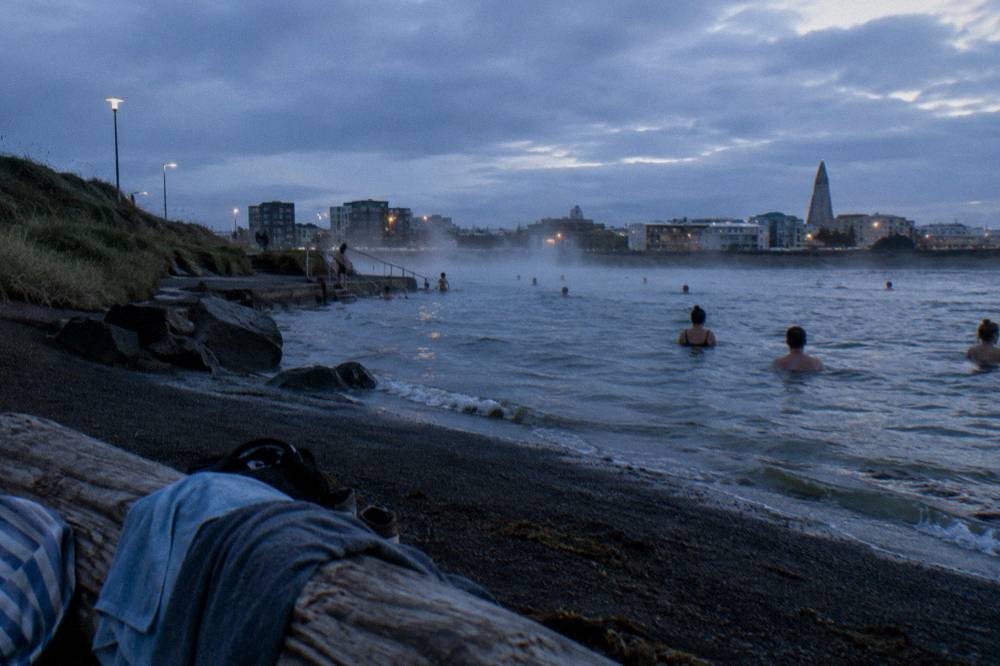
Seasons change the shape of the day more than the transport does. In June the sun barely sets, over 21 hours of daylight, so walking legs stretch late into the evening. In December the roughly four hour day means the guided walk should start by late morning, and dark-after-four evenings push the plan toward the evening and night tours, the pools, or the food halls. Aurora season runs from mid-August to late April whenever skies are dark and clear, though no operator can promise a sighting.
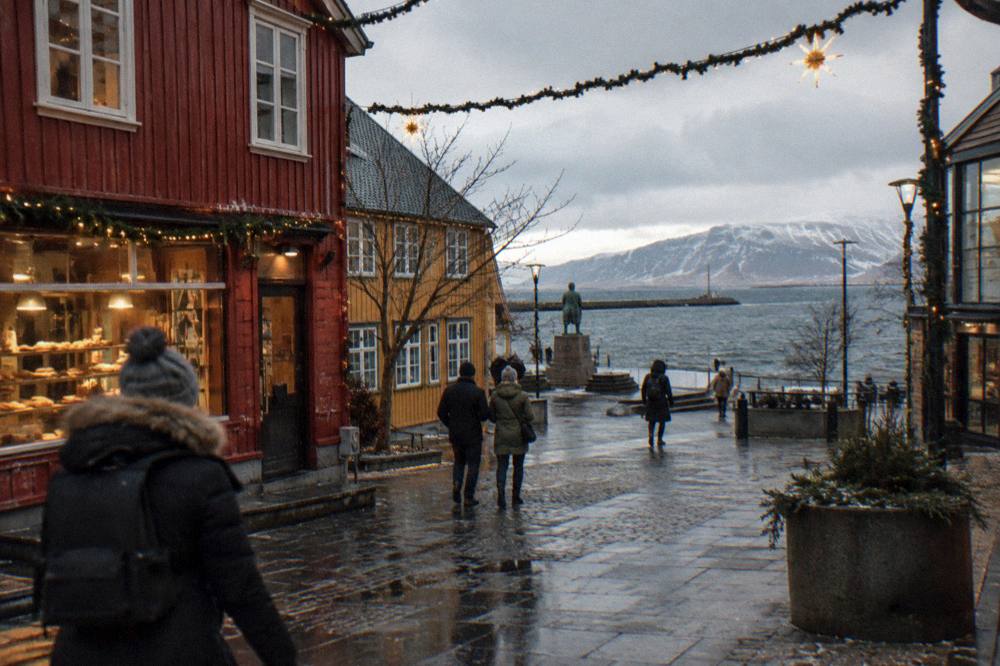
The comparison that decides most budgets is tour-versus-transit, and the numbers are closer than people expect.

One more worked day for the tour-as-transport believer: the morning small-group city walking tour from $49, rated 4.8 across 616 reviews, followed by an afternoon on the hop-on hop-off loop to reach the outer stops from $53.49. Two guided products, no car, no parking, and the city explained twice over from two directions.
For visitors who want the deeper answer on neighbourhoods and walkability, the blog posts on whether downtown Reykjavik is walkable and the best way to get around Reykjavik cover the same ground from a planning angle.
The final piece of the car-free puzzle is what happens when the weather turns, and it will. The tours in the rain guide keeps a wet day full, the food tours in the Reykjavik food tour guide move mostly between indoor stops, and the museum cluster around the Settlement Exhibition, open daily 10:00 to 17:00, is covered by the City Card. A car does not help in rain; a plan does.
Common Questions About Getting Around Reykjavik Without A Car
Do You Actually Need A Car In Reykjavik?
No. The centre is walkable, Straeto buses cover the capital area at 690 ISK per single with fare capping, the Flybus handles the airport, and tours reach everything farther out. A car only pays for itself if you are doing independent day trips.
How Much Does It Cost To Get Around Reykjavik Without A Car?
A bus-only day is capped at no more than three single fares thanks to fare capping. Add a walking tour from $49 or a hop-on hop-off ticket from $53.49 and a full guided car-free day remains cheaper than most car rentals once parking is counted.
Is Reykjavik Walkable For A Whole Trip?
The downtown core is, easily: harbour to pond is 20 to 30 minutes on foot and every headline sight sits in that rectangle. Farther stops like Perlan, Laugardalur and the nature reserve are better reached by bus, about 10 minutes from the centre.
Can You Use The Reykjavik City Card As Transport?
Yes. The card at 6,100 ISK for 24 hours includes unlimited Straeto buses in the capital area plus 17 museums, 8 pools and the Videy ferry. It excludes route 55 to Keflavik Airport.
How Do You Get From Keflavik Airport To Reykjavik Without A Car?
The Flybus runs to the BSI terminal for 3,999 ISK adult one way, about 45 minutes, with a hotel drop-off version at 5,299 ISK. The cheaper alternative is Straeto route 55 at roughly 2,400 ISK.
Are The Hop-On Hop-Off Buses Running In Winter?
Usually, yes. The service pauses for a spring maintenance break, so check the live listing for current dates before you go. The winter schedule runs about every 45 minutes from roughly 9:30 with a last departure at 16:15 from Harpa, and a full loop takes 80 to 85 minutes. Check the booking page for current dates.