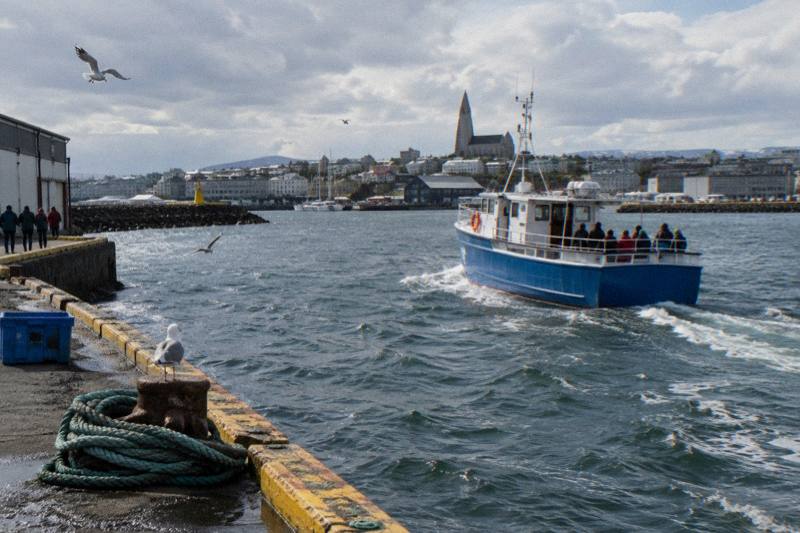
Puffin Tours From Reykjavik
Puffins nest on islands just off Reykjavik for roughly four months each year, and boat trips to see them run about an hour from the Old Harbour. Here is how the season works, what the two bookable puffin options cost, and how to fold one into a day in the city.
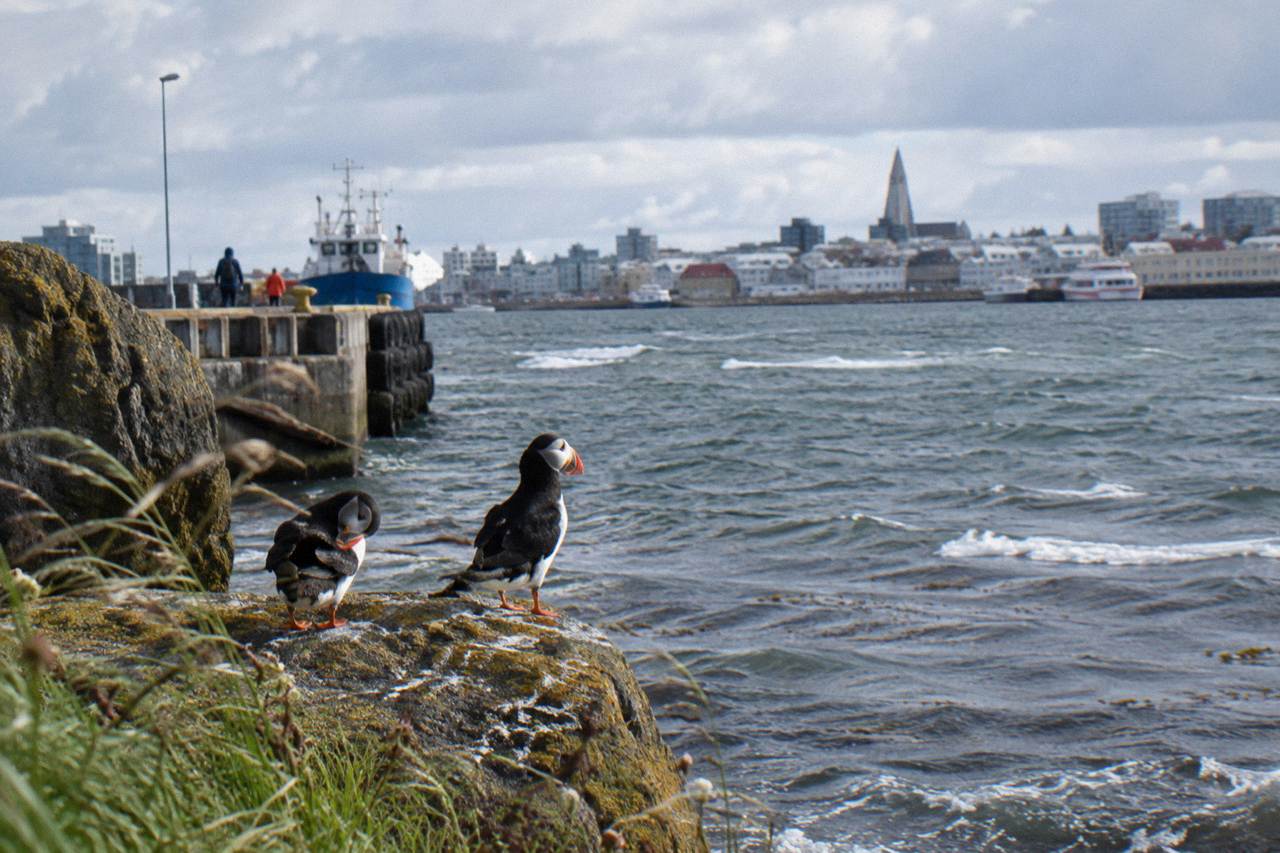
Short answer
Puffin watching from Reykjavik runs through the nesting season, roughly 20 April to 20 August, with RIB versions ending around 15 August. The classic puffin boat tour costs from $67 per person for about an hour; the whale and puffin RIB combination costs from $190 per person for about two hours.
Atlantic puffins only come ashore to breed, and around Reykjavik that means a nesting window of roughly four months, from late April to late August, with birds scattered across the North Atlantic for the rest of the year. Every puffin trip sold from the city's harbour works inside that window, so the single biggest planning decision is not which boat to pick but which week to visit. Get the timing right and the rest, length, boat type, price, is a set of trade-offs this guide walks through.
Two bookable puffin products leave from Reykjavik: a roughly one-hour classic puffin watching boat tour, rated 4.6 across 1,434 reviews and priced from $67 per person, and a roughly two-hour whale and puffin RIB boat tour, rated 4.7 across 494 reviews and priced from $190 per person. Both are covered in detail below, alongside season mechanics, what to wear on the water, and how to pair a morning on a boat with an afternoon in the city centre. Sightings are wild birds doing wild-bird things, so no operator promises them, but the nesting-season model means the birds are reliably present on the islands while the season lasts.
When Is Puffin Season In Reykjavik?
Puffin season around Reykjavik runs roughly from 20 April to 20 August, with birds on the nesting islands daily through that stretch; the faster RIB formats end their season a few days earlier, so check each live booking page for the final sailing dates. Outside that window there is no puffin trip to book, and no honest operator will sell you one. The dates come from the harbour operators' own published schedules, which list classic puffin watching from 20 April to 20 August and premium RIB puffin trips from 20 April to 15 August. If a listing shows a puffin departure in September, treat it with suspicion and check the operator's booking page directly.
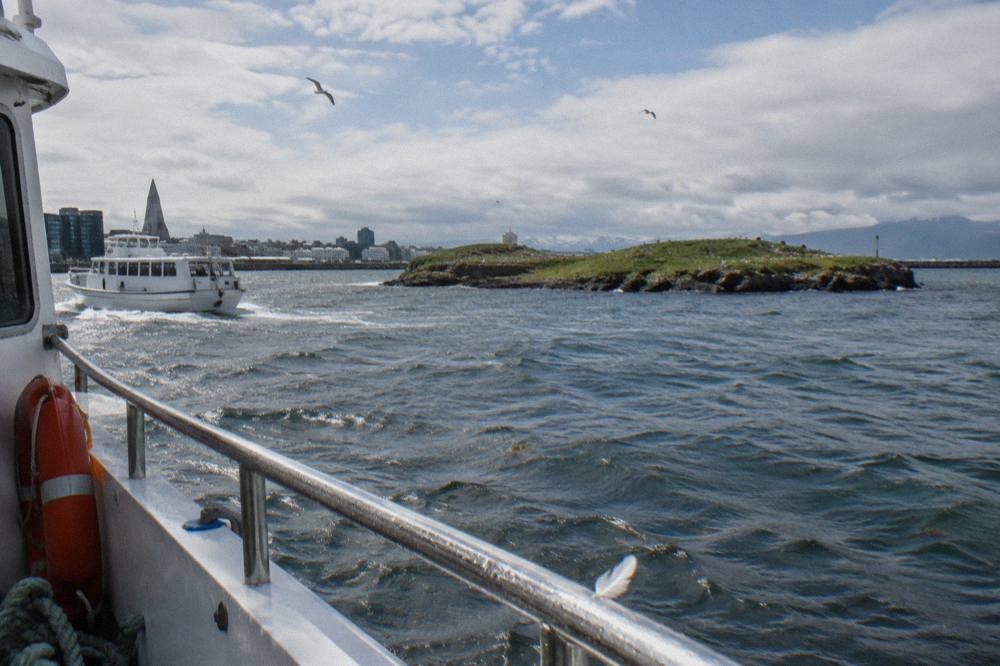
Inside the season, behaviour shifts month by month, and that affects what you actually see. Early-season birds in May are busy establishing burrows and courting, so they spend long stretches on the water or tucked into the grass. Peak viewing sits in June and July, when adults shuttle fish to chicks and the cliffs are busy. By early August the colonies begin to thin as fledglings leave at night, so a late-season trip can feel quieter even though departures still run. Guides on the classic trips narrate this cycle, and a good question to ask on board is where the birds are in the breeding stage that week.
Weather does not move the season but it moves the boats. Harbour operators hold or reschedule sailings when swell or wind makes the crossing unpleasant, especially on the small RIB hulls, and a trip swapped to a different day is a normal part of harbour tourism rather than a red flag. Book your puffin morning early in your stay rather than on your last day, so a blown-out departure can roll forward. The same planning logic holds for every month of the puffin nesting season.: flexibility beats a fixed schedule.
Aurora season, mid-August to late April, overlaps the puffin season only at the ragged edges, so travellers chasing both should plan for late August onward for lights and accept that puffins are largely gone by then. The two seasons essentially hand off to each other across one week of the year. For more on the dark half of the year, see the guide to Reykjavik tours in winter.
| Period | What happens with puffins | Trips running |
|---|---|---|
| Late April (from about the 20th) | Birds return, burrow repair, courtship | Classic and RIB formats begin |
| May | Incubation, birds partly hidden | Both formats, quieter viewing |
| June to mid-July | Peak activity, adults ferrying fish | Both formats, busiest bookings |
| Late July to 15 August | Chicks fledge, colonies thin | Both formats, RIBs end about 15 August |
| 16 to 20 August | Stragglers only | Classic format only, ending about the 20th |
| Late August to April | Birds at sea, no nesting colonies | No puffin trips; whale and northern-lights sailings instead |
Which Puffin Tour Should You Book From Reykjavik?
There are two puffin products to choose from: the roughly one-hour puffin watching boat tour from $67 per person, rated 4.6 across 1,434 reviews, the most reviewed puffin trip in the city, and the roughly two-hour whale and puffin RIB tour from $190 per person, rated 4.7 across 494 reviews, which swaps comfort for speed and adds whales to the itinerary. The right pick depends on whether your priority is a short, inexpensive nesting-island run or a longer, faster outing that covers more water. The classic trip is the sensible default for most visitors; the RIB combination suits anyone who wants a fuller harbour morning and does not mind spray.
Both options leave from the Old Harbour area, and both are summer products inside the season dates above. The classic trip concentrates on the nesting islands, idling at viewing range while a guide explains the colony; the listing describes the boat and amenities, and the meeting point is shown on the booking page. The RIB version carries a small group at speed, covers the puffin islands plus wider whale grounds, and supplies exposure suits for the ride, again per the listing's inclusions. Neither promises sightings; both operate where the birds reliably are in season.
Price anchors the decision for many travellers, and the gap is real: from $67 against from $190 per person. What the extra money buys is time on the water, the whale leg, and the small-boat experience, not better puffin viewing, because the nesting islands are equally reachable on the slow boat. Families with young children often prefer the classic hour; travellers who get seasick easily sometimes prefer it too, since a shorter trip is a smaller bet. Anyone who wants the RIB experience but only whales should look at the dedicated RIB whale watching speedboat trip, rated 4.6 across 871 reviews and priced from $190 per person for about two hours.
A third possibility, covered in its own section below, is pairing the classic puffin hour with a walking tour of the city centre, which together fill a relaxed day at the combined price of the two tickets. The walking option included above, a small-group city walking tour rated 4.9 across 5,260 reviews and priced from $50.08 per person, is the natural companion piece and the pairing most summer visitors actually build.
How Much Do Puffin Tours From Reykjavik Cost?
Puffin watching from Reykjavik costs from $67 per person for the one-hour classic boat trip and from $190 per person for the two-hour whale and puffin RIB tour; a paired small-group city walking tour adds from $50.08 per person, so the pieces of a full puffin-plus-city day carry three starting prices to check on the booking pages. Those are starting prices, and like all from prices they move with demand, so treat them as planning anchors rather than quotes. Check the operator's listing for the live figure on your date.
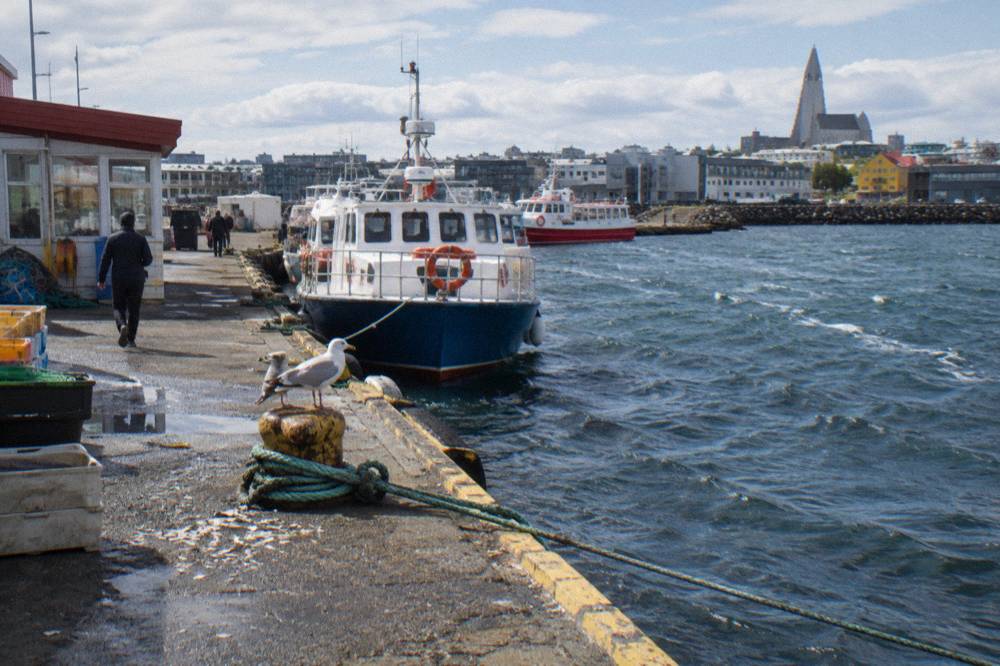
Two costs sit outside the ticket price. Getting to the harbour is usually a walk or a short bus ride from downtown hotels, since the Old Harbour sits at the edge of the city centre; the adult Straeto single fare is 690 ISK with contactless payment on board, and children 11 and under ride free, which keeps a family's transit cost down to the adults' fares. The second is gear: the classic trips run sheltered decks but open air, and no puffin tour includes hats or gloves, so budget nothing extra if you already own warm layers, which the packing section below covers.
Comparing the puffin options against the other harbour boats helps frame value. The dedicated classic whale watching trip from Reykjavik, rated 4.6 across 2,999 reviews, costs from $105 per person with free cancellation, so the puffin hour at $67 is the cheapest wildlife ticket on the waterfront. The whale and puffin RIB at $190 matches the whale-only RIB at $190, meaning the combination adds the puffin islands to the RIB day at no premium over whales alone. That symmetry is worth knowing when you weigh the two RIB listings against each other.
| Tour | Length | Rating and reviews | From price per person |
|---|---|---|---|
| Puffin watching boat tour | about 1 hour | 4.6 across 1,434 reviews | $67 |
| Whale and puffin RIB boat tour | about 2 hours | 4.7 across 494 reviews | $190 |
| Whale watching by RIB speedboat | about 2 hours | 4.6 across 871 reviews | $190 |
| Classic whale watching from Reykjavik | about 3 hours | 4.6 across 2,999 reviews | $105 |

Prices on the water follow the season's shape: June and July carry peak demand, and fine-weather mornings in that stretch are the first to fill. Booking a day or two ahead inside the season is usually enough for the classic trip, but a Saturday RIB departure in peak weeks can go earlier. The listings show live availability, and every option here is bookable with free cancellation terms on its booking page, which matters when the weather, not your plans, is the variable.
What Is The Boat Like On A Puffin Watching Trip?
The classic puffin tour uses a conventional passenger boat with indoor and outdoor space, running a slow loop at viewing distance from the nesting islands for about an hour, while the RIB version is a rigid inflatable speedboat carrying a small group in exposure suits, covering the islands and whale grounds in about two hours. Neither boat lands anywhere: all puffin viewing is from the water, which is the correct way to do it, since landing on nesting islands would disturb the colonies the trips exist to show. The distinction matters for comfort and for what you can bring.
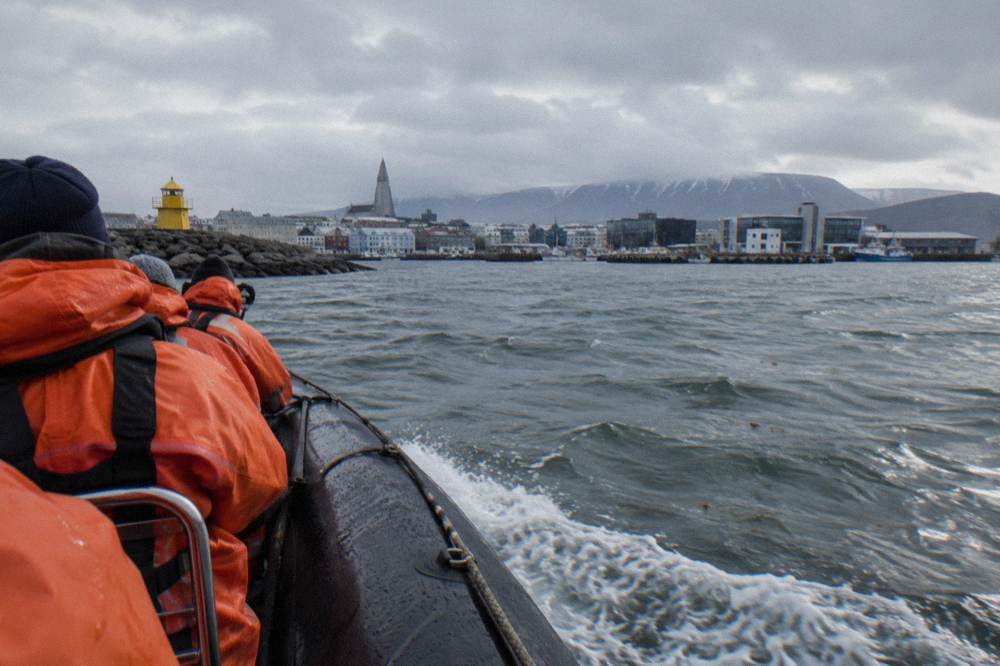
On the classic boat, the rhythm is departure, a short crossing, then idling and slow manoeuvring near the islands while the guide points out behaviour. You can move between deck levels, shelter inside if the wind picks up, and photograph over the rail. Tripods are impractical; a phone or a mid-range zoom works better, because puffins are small birds and the boat is moving even when anchored on station. Binoculars help if you own them, though the boats get close enough that many people do not miss them.
The RIB experience is physically different. You sit straddling a bench in a survival suit, hold a rail, and take spray on the run out, which most riders describe as half the fun. The small hull gets low to the water, so eye-level photographs of puffins are more achievable than from a high deck, but the ride suits travellers with no back or neck problems, and minimum ages or height rules, where they apply, are on the booking page. In exchange you cover the whale grounds as well, at speeds that shrink the whole outing to about two hours door to door on the water.
One structural point worth knowing: RIBs come out of the water for winter at the end of October, and the RIB puffin leg ends around 15 August, slightly before the classic season closes. So late-season travellers in the last week of the window have exactly one option, the slow boat. If the RIB is the experience you want, plan the visit for June or July, when both formats run daily and the colonies are at their busiest.
For a wider look at the harbour's other offerings, including the larger whale-watching boats, see the whale watching tours from Reykjavik harbour guide.
The classic whale watching trip above is the natural upgrade if your puffin hour flies by and you want a longer, larger-boat afternoon on the same water.
Can You Combine Puffin Watching With A City Tour?
Yes, and it is the best-value full day in the city: the roughly one-hour puffin trip pairs naturally with a two-hour small-group walking tour, from $67 plus $50.08 per person, with the boat in the morning and the walk after lunch, or the reverse if the sea state favours an afternoon sailing. The geometry works because both start and finish within a short walk of each other, the Old Harbour pier and the city centre's main squares, so no transport is needed between them. Puffin boats leave from the old harbour, so pairing one with a waterfront city walk is an easy day plan, and the logic is obvious once you see the map.
The practical sequence looks like this. A mid-morning puffin departure returns before noon, leaving time for lunch at a harbour food hall, of which the Grandi district has one open daily from 11:00, and then a 13:00 or afternoon walking tour of the centre. The walking tours cover the old town's core sights and stories over about two hours, and the small-group format means you can ask the guide to connect the morning's birds to the city's maritime history, which Reykjavik's development genuinely runs through. Reverse the order on days when the morning swell forecast looks poor and the afternoon calms.
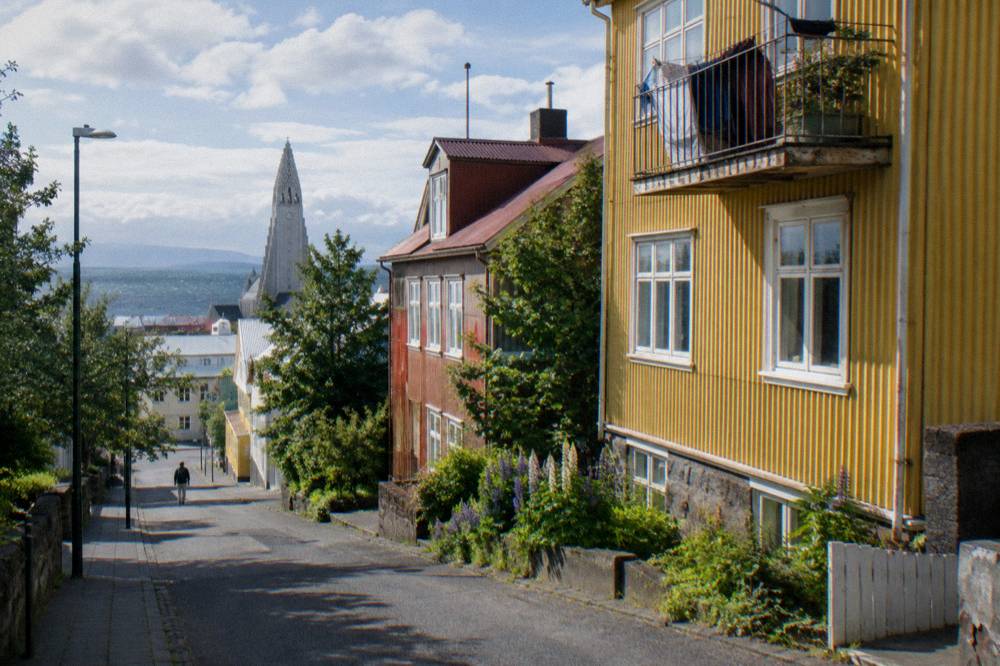
Daylight is on your side all season. Puffin months are also the bright months: by mid-June the sun sets after 23:00 and the sky never fully darkens, so a boat-and-walk day leaves long evening light for exploring on your own, and even in late August the evenings stay workable for wandering. The shortest puffin-season days at the April end still give roughly 15 hours of daylight, more than any visitor needs. There is no need to compress; a two-activity day in summer Reykjavik still feels unhurried.
If your interest runs to stories rather than sightseeing, an alternative pairing swaps the general walk for a folklore tour, meeting the elves, trolls and ghosts of Iceland in about an hour and a half, rated 4.8 across 758 reviews and priced from $52.36 per person. The folklore walk trades straight history for elves, trolls and ghosts, and it fits the same afternoon slot after a puffin morning. Both walking options, and others, sit alongside the harbour trips in the line-up above, and the choice is really about tone.
| Combination | Rough total time | Price basis | Best for |
|---|---|---|---|
| Puffin boat plus small-group city walk | 3 to 4 hours plus lunch | From $67 plus from $50.08 per person | First visit, balanced day |
| Puffin boat plus folklore walk | 2.5 to 3 hours plus lunch | From $67 plus from $52.36 per person | Families, storytelling |
| Whale and puffin RIB plus city walk | 4 to 5 hours plus lunch | From $190 plus from $50.08 per person | Wildlife-first visitors |
| Puffin boat plus harbour food hall on your own | 2 hours plus lunch | From $67 plus food | Low-budget, self-guided afternoon |
The 'Walking tour of Reykjavik city', rated 5 across 494 reviews and from $51.22 per person for up to three hours, is another strong pairing partner with a gentler pace than most.
What Should You Wear And Bring On A Puffin Tour?
Dress for a North Atlantic boat deck even in summer: a warm mid-layer, a windproof and waterproof outer layer, long trousers, closed shoes and a hat that will not blow overboard, because on-water temperatures feel far colder than the dock, and wind chill on a moving boat is constant. RIB passengers get an exposure suit over their own clothes, but everything from the neck down benefits from warm base layers anyway, and the suits are not substitute clothing. The classic boat has indoor space, but you will want to be on deck for the islands, which is where the cold finds you.
Summer air temperatures in Reykjavik are modest, with monthly means sitting in the low teens at the warmest, and the water keeps the air on the crossing cooler than ashore. Rain falls on roughly nine to fifteen days per month in a typical year, so a waterproof shell earns its space in your daypack even on a forecast that looks clear. The city's weather changes fast, and a puffin trip commits you to an hour of whatever the sky produces. There is more detail in the guide on what to wear on a Reykjavik walking tour, whose layering logic transfers straight to the harbour.
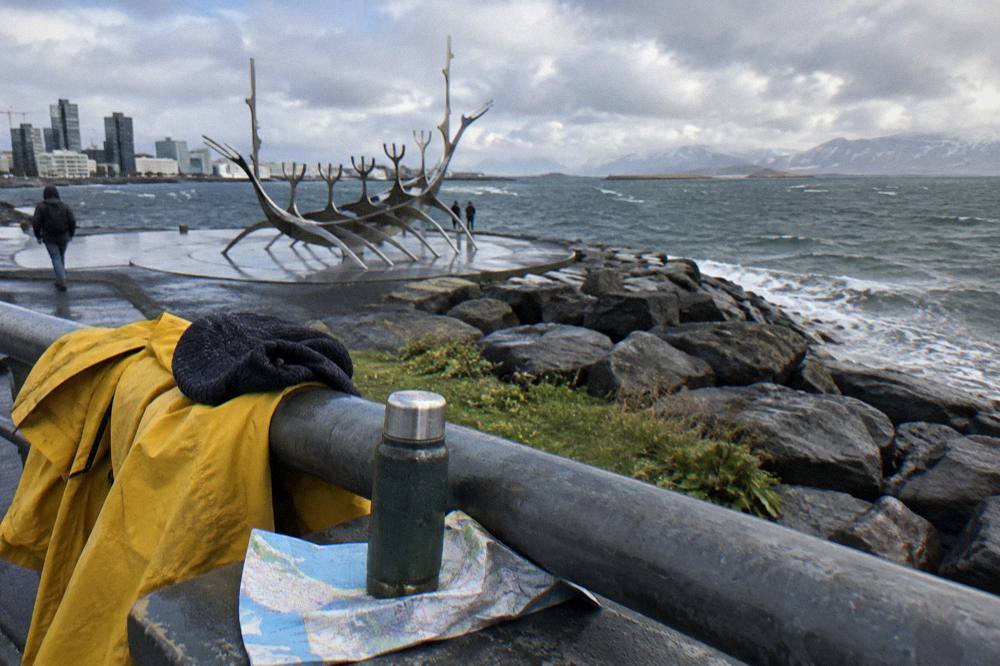
For gear, keep it simple. A phone handles most people's photography, and a small pair of binoculars is the single item that most improves puffin viewing, since the birds are roughly the size of a pint glass and burrow into grassy slopes. Sunscreen sounds odd but is genuinely useful on bright northern days with reflected glare off the water. Sea-sickness tablets, if you are prone, taken before boarding, because the classic boats drift on station and the swell can be gentle but persistent. Food and drink policies vary by boat, so check the listing before packing a picnic.
| Item | Classic boat | RIB tour | Why |
|---|---|---|---|
| Warm mid-layer | Yes | Yes, under the suit | On-water cold exceeds the forecast |
| Waterproof shell | Yes | Provided suit covers it | Rain and spray |
| Hat, snug or with a cord | Yes | Yes | Wind and photo opportunities |
| Closed shoes | Yes | Yes | Wet decks and rails |
| Binoculars | Helpful | Helpful | Small birds at range |
| Sea-sickness tablet | If prone | If prone | Drifting on station |
| Sunglasses and sunscreen | Yes | Yes | Northern glare off water |
Two things not to bring: drones, which disturb seabird colonies and are unwelcome on wildlife boats, and expectations of a landing. No puffin trip from this harbour sets foot on the nesting islands, and that is a feature of responsible wildlife tourism, not a limitation. The viewing is from the rail, and at nesting-season range it is close enough to watch individual birds carrying fish.
Where Do Puffin Tours Depart From In Reykjavik?
Puffin trips depart from the Old Harbour area on the city centre's western edge, a ten to fifteen minute walk from the main downtown squares, with the exact pier and check-in point listed on each tour's booking page, since operators use different slipways within the same small harbour district. The harbour is small enough that finding your boat is never an expedition, but turning up ten minutes early matters, because skippers hold departure slots and the trip cannot wait for late runners without eating into the hour on the water.
Getting there from further out is straightforward. Buses across the capital area stop within a short walk of the harbour, and the adult single fare is 690 ISK paid contactless on board, with children 11 and under free. Note that the older 24-hour and 72-hour bus day passes are no longer sold; the system now caps fares instead, so you never pay for more than three rides a day at the adult rate, which makes casual harbour-bound bus use simpler than it used to be. Anyone holding a Reykjavik City Card rides the buses free, and the card also covers museums and pools, though not the harbour boat trips themselves.
Cruise passengers get the easiest version of this: smaller cruise ships dock right at the Old Harbour, larger ones at Skarfabakki to the east, and a puffin hour plus a city walk is exactly the shore-day shape that fits a morning or afternoon in port, with the walk into the centre covered in detail in the Reykjavik tours from the cruise port guide. Just remember that puffin trips are a strictly seasonal product, so a September or October call will not include them; the whale boats run year-round instead, and the walk runs in every month.
On the pier itself, expect a short safety briefing and boarding by group, and on the RIB, suiting up on shore before departure, which adds a few minutes to the listed duration. The booking page for each option states the meeting point and the arrival time it asks for; when in doubt, arrive fifteen minutes early on a first visit. Operators hold or reschedule sailings in rough weather and rebook passengers, which is one more reason to schedule your puffin morning with a spare day behind it.
Puffin watching is the most seasonal thing on Reykjavik's waterfront: a four-month window, a short cheap boat, and a bigger, faster alternative if whales are also on the list. Pick your week first, pick your boat second, and the day builds itself from there, whether that day is puffins plus a walking tour or puffins plus a long lunch on the Grandi pier. The birds keep the schedule, the boats work around the weather, and the booking pages hold the live prices for whichever version fits your dates.
For a broader look at the waterfront and beyond, Reykjavik City Tours gathers the harbour trips, walks and seasonal guides in one place.
Common Questions About Puffin Tours From Reykjavik
When Is Puffin Season In Reykjavik?
Roughly 20 April to 20 August for the classic puffin boat tour, and 20 April to about 15 August for the RIB formats. Outside that window the birds are at sea and no puffin trips operate from the city.
How Much Does A Puffin Tour From Reykjavik Cost?
The roughly one-hour puffin watching boat tour costs from $67 per person. The roughly two-hour whale and puffin RIB boat tour costs from $190 per person. Both are starting prices that move with demand, so check the booking page for live figures.
Which Puffin Tour Is Best From Reykjavik?
For most visitors the one-hour classic boat trip, rated 4.6 across 1,434 reviews, is the best fit: short, inexpensive and focused on the nesting islands. Travellers who also want whales, or a fast small-boat ride, should take the whale and puffin RIB, rated 4.7 across 494 reviews.
Can You Combine A Puffin Tour With A City Walking Tour?
Yes, easily. A morning puffin trip returns before noon, and a roughly two-hour small-group walking tour from $50.08 per person fits the afternoon, with the harbour and the city centre a short walk apart. You simply pay the two starting prices, one per activity.
Do Puffin Tours Guarantee Sightings?
No wildlife tour guarantees sightings, and no honest operator promises them. What the nesting-season model does mean is that the birds are reliably present on the islands while the season lasts, and boats view them from the water without landing.
What Should I Wear On A Puffin Boat Tour?
A warm mid-layer, a windproof and waterproof shell, long trousers, closed shoes and a secure hat, even in summer. RIB passengers are provided exposure suits to wear over their own clothes. On-deck temperatures run well below the dockside forecast.