What Area Of Reykjavik Is Best To Stay In?
A practical neighbourhood guide to Reykjavik: which district to book for walking tours, food, harbour trips and value, with tour and transport facts.
For a first visit, the downtown core, Midborg, is the best area to stay in: it puts Laugavegur, the Old Harbour, Hallgrímskirkja and the main tour departure points within a short walk of your door. For cheaper beds with a 15 to 25 minute walk in, look at Thingholt and the western suburbs; for harbour quiet and food halls, Grandi. Most walking tours depart from the centre, so a central base removes nearly all daily transport. If you're still weighing whether a central base justifies its higher prices, our guide to the pros and cons of a downtown stay compares the options in more depth.
The centre is small. Downtown Reykjavik is compact enough that the whole central district, from the pond in the south to the harbour in the north, is roughly a 15 minute walk end to end. That single fact drives the area decision more than any hotel review: if you stay central, you walk everywhere, and if you do not, you either walk anyway or you ride the city bus, where an adult single fare is 690 ISK and children 11 and under ride free, per the operator's pricing page at straeto.is.
Tour logistics argue for the centre too. The small-group walking tours, the food walks and the harbour boat trips all depart from points inside or on the edge of the downtown core, so a central base means you never plan a commute before a 9:00 departure. A good first-day move is the small-group walking tour rated 4.9 across 5,260 reviews, which runs about 2 hours from $50.08 per person and doubles as an orientation session for the streets you will be living on. The longer downtown neighbourhood guide covers the same choice in more depth if your trip depends on it.
The rest of this article walks through each district in turn, what it costs in practice, and how the seasons change the calculation. One overall budget note that applies whichever area you pick: Iceland charges an overnight accommodation tax of 800 ISK per night per hotel or guesthouse unit, which is usually added to your bill rather than folded into the advertised rate.
Is Downtown Reykjavik Worth The Extra Cost?
Yes, for trips of three nights or fewer, because the premium you pay on the room is roughly what you would otherwise spend on time and bus fares moving in and out. Downtown, you are a 5 to 15 minute walk from Laugavegur shopping, the Old Harbour whale and puffin departures, Hallgrímskirkja, and the food halls, and most guided walks meet inside the district. The trade-off is higher room rates and thinner value at the budget end. Since the food halls sit within that short walk, our guide to where locals actually eat in Reykjavik helps you tell the worthwhile spots from the tourist traps.
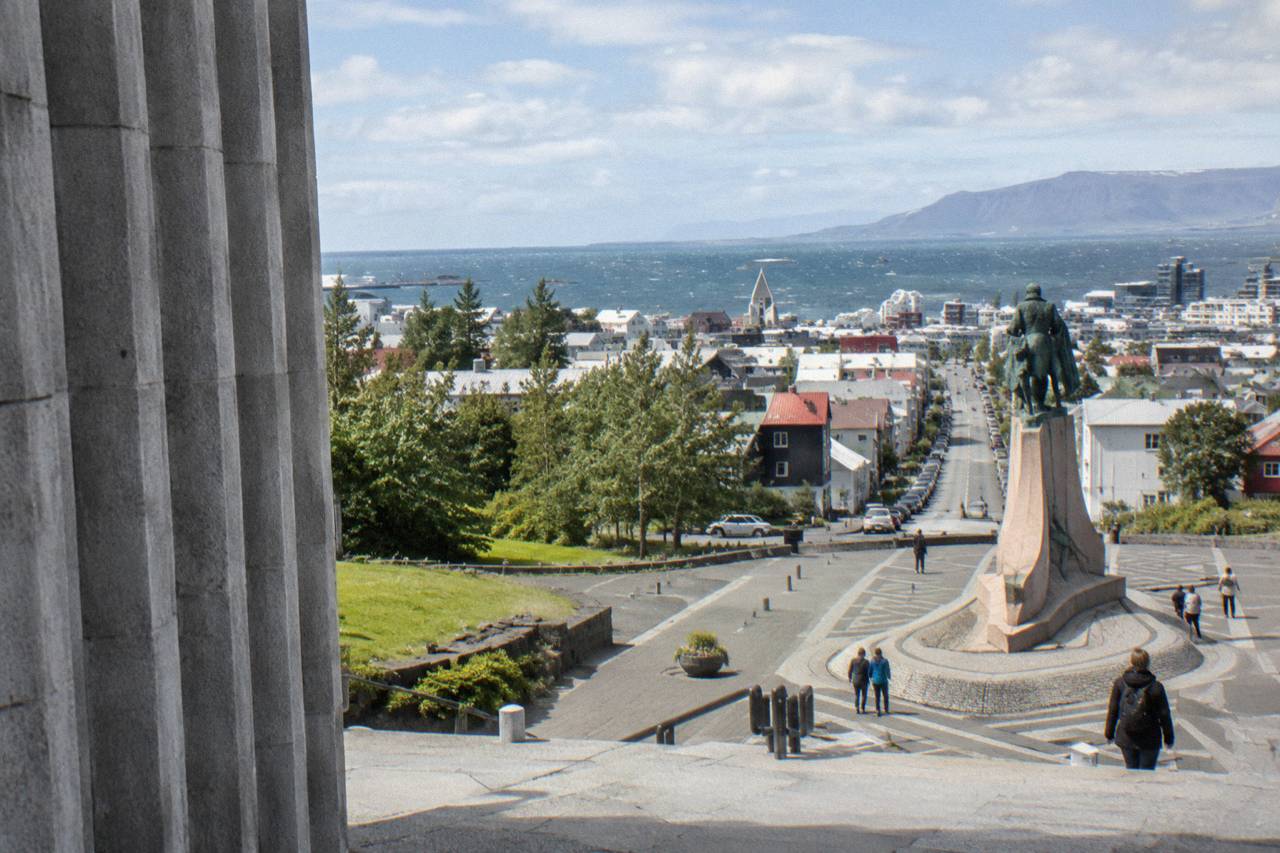
The case for the centre is not atmosphere alone, it is geometry. The district holds the city's main commercial street, the harbour piers where whale watching and puffin boats dock, the parliament building by the pond, and the church tower that functions as the city's most reliable landmark. Staying here means a rain shower is a two-minute detour into a café rather than a written-off afternoon.
The walkability extends outward. From the centre you can reach the Grandi harbour district on foot in about 10 to 15 minutes along the waterfront, which is where the Saga Museum sits at Grandagarður 2, open daily 10:00 to 17:00 with adult admission at 4,000 ISK. That kind of outing needs no car and no bus, which is exactly the point of a central base.
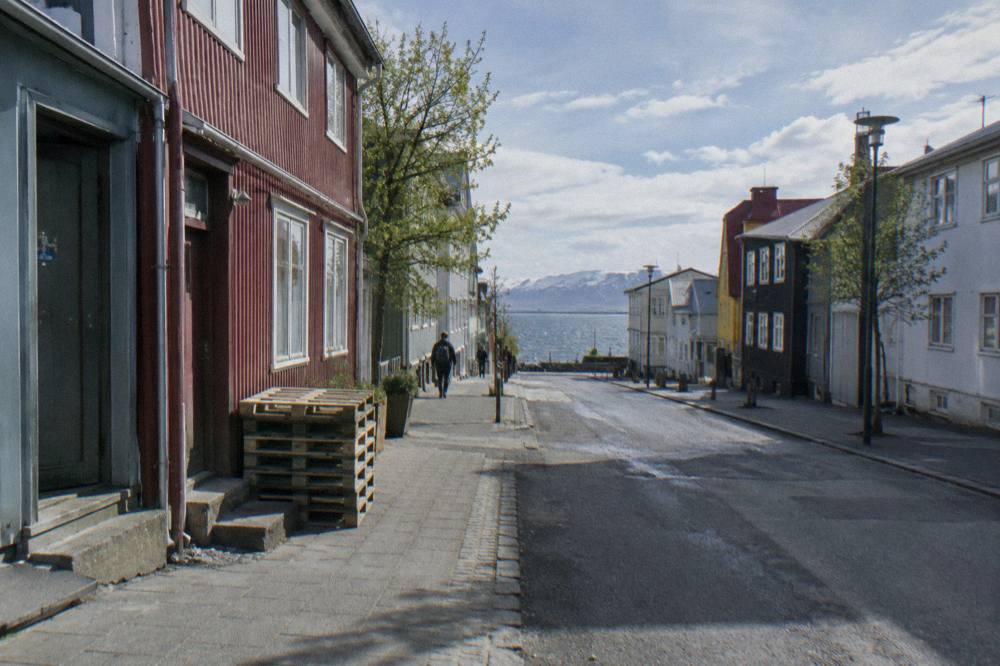
Prices are the honest downside. Central guesthouses and hotels consistently price above comparable rooms in the neighbouring districts or the suburb municipalities, and the budget end of the centre can mean small rooms over busy weekend streets. Reykjavik's downtown is lively late on Friday and Saturday nights in summer; light sleepers should ask for a room facing a courtyard, a detail worth confirming with the property before booking rather than assuming.
One cost that does not change by district: tipping. It is not expected or customary anywhere in Iceland, service is included, so the price you see on a menu or a tour page is the number you plan around. That makes a central stay marginally easier to budget than it first appears.
Should You Stay On Grandi Or Near The Harbour?
Grandi, the old harbour district just west of the centre, suits travellers who want central walkability with fewer late-night crowds and slightly lower rates. You are a 10 to 15 minute waterfront walk from downtown, next to the whale watching piers, and home to the Grandi Mathöll food hall. The trade-off is that the immediate evening and nightlife scene is quieter than the city core.
Grandi has shifted from industrial backlot to one of the more pleasant places to base yourself. The district's food hall at Grandagarður 16 opens daily at 11:00 and closes at 21:00, with communal seating and harbour views across vendors serving traditional Icelandic and international dishes. A second major food hall, Hlemmur Mathöll, sits at the other end of the centre in a former bus terminal, open daily into the late evening, though it closes for occasional maintenance days, so check its site on the day if it is your dinner plan.
For tour logistics, Grandi is arguably better positioned than the centre itself for boat trips: the Old Harbour piers where the classic whale watching and RIB speedboat tours depart are on or beside the district. The puffin-watching boat tour, about 1 hour from $67 and rated 4.6 across 1,434 reviews, departs from the harbour area, and in season the classic whale watching trips run from the same piers.
Families and early risers do well here. The Saga Museum's wax-figure walkthrough of Icelandic history uses a multilingual audio guide and sits at the district's heart, and the waterfront path into town is flat, stroller-friendly and car-free for most of its length. If your picture of the trip is museums, boats and seafood rather than bars, Grandi delivers more of it per minute than the middle of downtown.
One practical note: the harbour side is more exposed to wind than the sheltered streets behind Laugavegur. Reykjavik's winter winds are a real planning factor, and the exposed waterfront walk into town feels longer in February than on the map. Pack for it, or accept a short bus ride on the worst days.
What About Thingholt And The Neighbouring Districts?
Thingholt, just east and southeast of the centre, is the classic value compromise: a 10 to 15 minute downhill walk to Laugavegur, noticeably cheaper guesthouses and apartments, and a residential feel with the Hlemmur food hall and the city's main pool culture close by. It is the best area for travellers who want central access without central prices and do not mind the walk back uphill.
Thingholt's geography is simple. The district rises gently up the slope east of the main shopping street, so everything in the centre is downhill and 10 minutes away, and everything home is uphill and 12. That is the entire trade, and for most able-bodied travellers it is a good one: the money saved on the room over three or four nights typically covers a food tour or a boat trip.
Laugavegur, on the district's northern edge, is the practical anchor. The former bus terminal is now the city's first food hall, with vendors spanning bistro fare, pizza and gelato, open from 11:00 daily. Around it, these streets hold laundrettes, corner shops and bakeries, the unglamorous infrastructure that makes a week-long stay pleasant rather than a series of restaurant meals.
Bus connections from here are decent. Hlemmur is one of the capital area's main interchange points, and an adult single fare anywhere in the capital area is 690 ISK with contactless payment, young people 12 to 17 and seniors pay 345 ISK, and children 11 and under ride free. Note one recent change if you are researching older advice: 24-hour and 72-hour bus day passes are no longer sold, replaced by automatic fare capping, so the pay-per-ride fare is the number to plan with, per the operator's announcement. The fuller transport overview for visitors walks through these options in more detail.
If you choose Thingholt, one tour pairing works especially well on a first evening: an express orientation walk. A 60-minute local-led walk, from $89, gives you the centre's layout fast so the daily walk down the hill becomes navigation rather than discovery.
Are The Western Suburbs A Good Base?
Vesturbær and the streets west and northwest of the centre suit longer stays, self-caterers and travellers who want an apartment at a real discount, at the cost of a 20 to 30 minute walk or a short bus ride into downtown. The area around the west side's pools and parks is pleasant and local, but you should want that trade before booking it.
The west side's headline amenity is the geothermal pool. Public pool admission is 1,500 ISK for adults, children 9 and under are free with a guardian, and the pools are open long hours year-round; this is the closest thing Reykjavik has to a neighbourhood institution, and staying on the west side puts one within a few blocks of most addresses. The Reykjavík City Card covers pool entry as well as 17 museums and unlimited capital-area buses, at 6,100 ISK for 24 hours, 8,500 ISK for 48 and 10,500 ISK for 72, which can make a western base cheaper than it first looks if you pool and museum heavily.
Honest downsides: you will plan your evenings. Dinner in the centre means either a 25-minute walk each way or a bus, and night buses charge the full 690 ISK single fare with no discounts. In winter, with sunset before 17:00 from early November and daylight around six and a half hours in mid-November, the walk home at 21:00 is a dark, windy commitment that not every traveller wants twice a day.
For balance, here is how the four main options compare on the things that actually drive the decision:
| Area | Walk to Laugavegur | Typical character | Best for | Main trade-off |
|---|---|---|---|---|
| Downtown core (Midborg) | 0 to 10 minutes | Hotels, guesthouses, bars, tour departures | First visits, short stays, nightlife | Highest room rates |
| Grandi | 10 to 15 minutes | Harbour, museums, food hall, quiet evenings | Families, food-focused trips, boat tours | Exposed waterfront in wind |
| Thingholt | 10 to 15 minutes | Residential, guesthouses, Hlemmur food hall | Value seekers, longer stays | Uphill walk home |
| Western suburbs | 20 to 30 minutes | Apartments, pools, local life | Self-catering, budget, long stays | Daily commute downtown |
The pattern to take from the table is that only the first row removes transport planning entirely. Everything else buys money or quiet with minutes of walking, and the right choice depends which of those you have more of.
Where Should You Stay To Save Money Overall?
To cut costs, stay just outside the centre, book self-catering, buy groceries rather than eating every meal out, and put the savings into one or two paid tours rather than many cheap ones. Restaurant prices are the main budget killer, not accommodation alone. Alcohol is heavily taxed, so if you drink, budget deliberately or join a tasting tour where it is included.
A few concrete levers. The Reykjavík City Card pays for itself fastest for pool-and-museum days and includes unlimited buses, which pairs naturally with a cheaper outer base. Tap water is safe and excellent, so never buy bottled water. The hot dog remains the canonical cheap meal, with the famous downtown stand listing a pylsa at 920 ISK. And an overnight tax of 800 ISK per room applies city-wide, so it is not a reason to prefer one district over another, just a line to expect on the bill.
On the tour side, small-group walks are the best value-per-króna introduction to the city. The tour with the most reviews is the small-group walking tour at about 2 hours, from $50.08 per person, rated 4.9 across 5,260 reviews. For a contrast in format and price, the city walking tour with a local guide runs about 2 hours 30 minutes from $49, rated 4.8 across 616 reviews. If you want to line up several tour styles at once, compare live dates and prices on each operator's booking page.
For food spending, a guided food tour front-loads the cost and cancels a restaurant meal: the guided foodie walk with 6 tastings runs about 3 hours from $147, rated 4.9 across 2,124 reviews, and the street food walk runs about 3 hours from $136.58, rated 4.9 across 40 reviews. One is backed by 2,124 reviews, the other by a modest 23; check the booking page of each for group sizes and current departure times before choosing.
Does The Season Change Which Area Is Best?
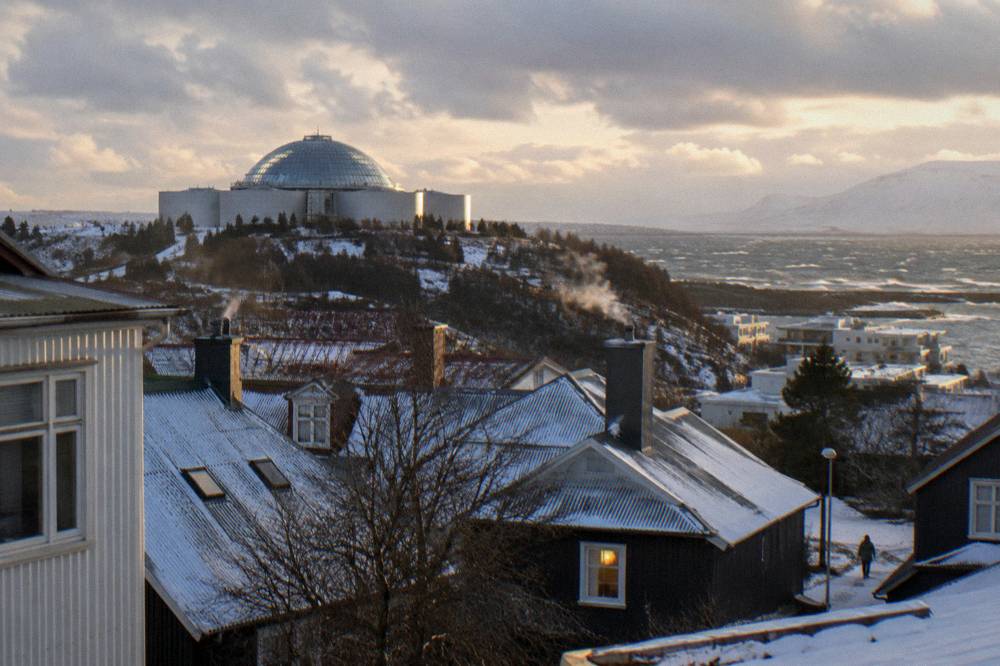
Yes, and mostly in favour of the centre. From November through February, daylight shrinks to between four and eight hours, winds pick up, and rain falls on 9 to 15 days a month, so the value of being able to dash home in five minutes rises sharply. In summer, with 18 to 21 hours of daylight, an outer district's walk home at midnight is pleasant rather than punishing, and the suburbs earn their discount.
The numbers behind that: Reykjavik's midwinter daylength bottoms out near four hours in late December, with mid-November already down to about six and a half hours of light and sunrise close to 10:00. December's mean temperature sits around 0.8 °C with roughly 95 mm of precipitation, so winter days are short, damp and windy rather than brutally cold, but the wind is what tires you out. Winter tyres become mandatory on Icelandic vehicles from 1 November, a reminder that the country itself plans around this season.
Winter also reshapes the tour calendar rather than closing it. Harbour operators run classic whale watching year-round from the Old Harbour, plus northern lights cruises from September to mid-April, while the fast RIB boats come out of the water after October. The hop-on hop-off bus runs a winter timetable with departures roughly every 45 minutes from about 9:30 to a last departure at 16:15, a loop of about 80 to 85 minutes with an audio guide in eight languages, per the operator's current schedule.
One transport planning note if your stay straddles December: the capital-area bus operator has announced reduced service on some routes from 1 December 2026. If you are basing yourself beyond walking distance that month, check your specific route's timetable rather than relying on summer frequency assumptions.
Summer inverts the logic. With the sun setting barely at all in June, a midnight walk home from the near-centre districts or the west side through bright skies is one of the trip's free pleasures, and outer-district value is at its most rational. The crowd pressure on central rooms is also at its peak, so booking early matters more than neighbourhood choice.
How Do You Get From The Airport To Each Area?
Most airport transfers stop at the BSÍ bus terminal at the southern edge of the centre, from which every district in this article is a short taxi, bus or walk away. The Flybus adult fare is 3,999 ISK one-way to BSÍ, or 5,299 ISK with a hotel drop-off leg; the public airport bus is the cheaper alternative. Choose your transfer based on luggage and arrival time, not on district.
The BSÍ terminal is the practical front door to the whole city, sitting close enough to the western edge of the downtown core that many central hotels are a 10 to 15 minute walk or a short taxi hop from the curb. Grandi, Thingholt and the west side are all reached from BSÍ by city bus or taxi in well under half an hour, so no district in this article creates an airport problem. Fares for children and extras are on the operator's own price list at flybus.is.
Two arrival details worth knowing. Odd-sized luggage carries a 1,500 ISK charge on the Flybus, so skis and bike boxes change the arithmetic. And if you arrive into the centre mid-afternoon in winter, you will be doing the last leg of the journey in the dark, which is a mild argument for a central base on a first visit: fewer navigation decisions in the dark on day one.
Common Questions About Where To Stay In Reykjavik
What Area Of Reykjavik Is Best To Stay In?
The downtown city centre is the best area for most first visits: tours, food halls, the harbour and the main street are all within a 15 minute walk. Choose Thingholt for cheaper guesthouses, Grandi for harbour quiet and family pacing, or the western suburbs for apartment value on longer stays.
Is It Better To Stay In Downtown Reykjavik Or Outside The Centre?
For stays of three nights or fewer, downtown is usually better because the room premium roughly offsets transport time and bus fares. For a week or more, an apartment in the near-centre districts or the west side saves real money, especially with self-catering.
Can You Walk Everywhere In Reykjavik If You Stay Centrally?
Yes. From the downtown core, the harbour, Laugavegur, Hallgrímskirkja, the pond and both main food halls are all within about a 15 minute walk, and Grandi is 10 to 15 minutes along the waterfront. A bus or taxi is only needed for pool and museum days further out.
What Is The Cheapest Area To Stay In Reykjavik?
Thingholt and the western side offer the lowest room and apartment rates within walking distance of the centre, roughly a 10 to 25 minute walk downtown. Suburb municipalities are cheaper still but add a daily bus commute at 690 ISK per adult single.
Where Do Food Tours And Walking Tours Start In Reykjavik?
Most guided walks meet in or beside the downtown core, and boat tours depart from the Old Harbour piers on its northern edge. The booking page for each tour lists its exact meeting point; check it before choosing a hotel on the district boundary.
Which Area Is Best In Winter?
The centre. With about four to eight hours of daylight from November to February and frequent wind and rain, the ability to reach your room in five minutes matters more than in summer, and outer-district walk homes happen in the dark.
Whichever district wins for your dates, anchoring the first day with a guided walk pays for itself in saved wandering. Reykjavik City Tours covers the departure points and options in detail, and the walks below are the natural shortlist for a base anywhere in the centre, Grandi or Thingholt.