Is It Better To Stay In Downtown Reykjavik?
Downtown Reykjavik puts the walking tours, food halls and harbour within a short stroll, but there are trade-offs in price and space. Here is how to decide.
For most first-time visitors on a short trip, yes: staying in downtown Reykjavik is the better choice, because the entire city centre fits inside a comfortable walk, roughly 1.5 kilometres from the harbour at one end to the pond at the other. A central room means no buses after dinner, no parking stress, and a five-minute stroll to most tour meeting points. The trade-offs are real and worth naming up front: higher nightly rates, smaller rooms and some weekend noise near the bar streets. For a stay of one to four nights built around walking, food and harbour tours, the convenience almost always outweighs the extra cost. If those trade-offs give you pause, our guide to which district of Reykjavik suits your trip best compares quieter neighbourhoods where your money stretches further.
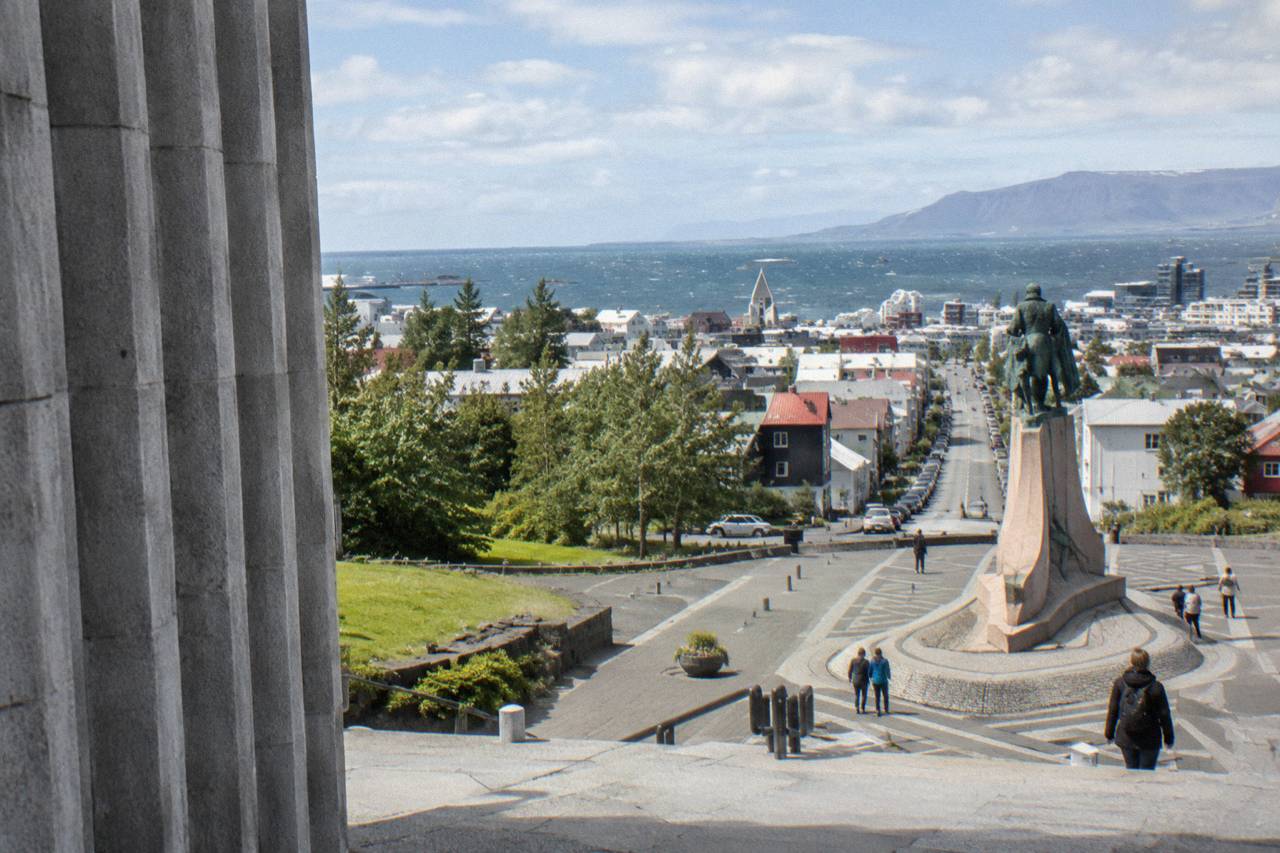
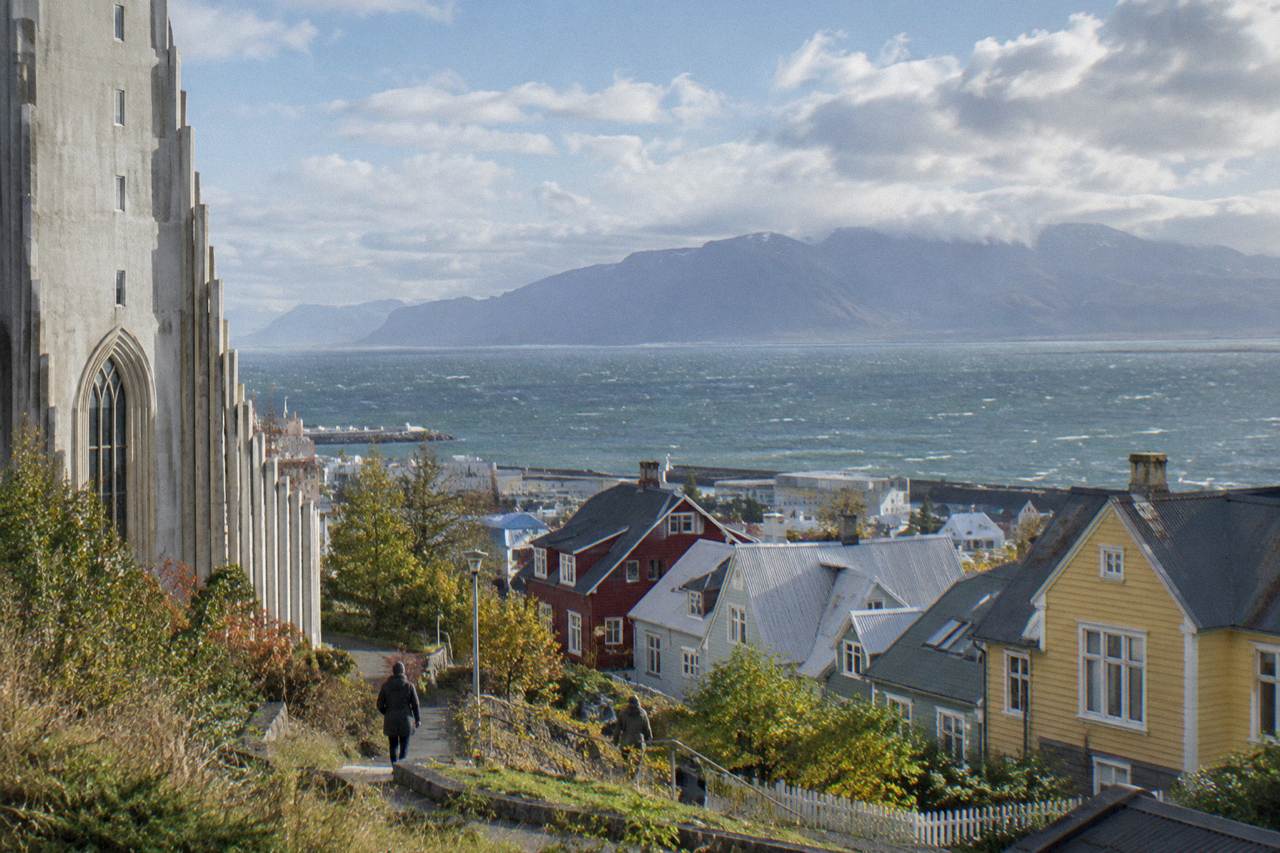
The case for downtown starts with geography. Reykjavik's centre is compact in a way that surprises people who arrive expecting a capital city. Laugavegur, the main shopping street, runs about a kilometre end to end. The Old Harbour, where whale watching and puffin boats depart, is a 10 to 15 minute walk from Hallgrimskirkja at the other end of the core. Nothing in the centre needs a vehicle unless the weather turns vicious.
That compactness is exactly why the tour products sold here are walking products. The most reviewed city walk in Reykjavik, a small-group tour rated 4.9 across 5,260 reviews from $50.08 per person, covers the centre on foot in about two hours. If you stay downtown, you walk to the meeting point. If you stay in a suburb, you are already working out bus connections before the tour even begins, and in winter that friction compounds with every departure.
The counter-argument deserves a fair hearing too. Rooms outside the centre, in areas like Vesturbaer or Laugardalur, cost noticeably less per night and often come with more space, kitchens and free parking. The public bus network covers these districts well. So the decision is genuinely about how you travel, not about one right answer, and the sections below work through the trade-offs in order.
What Does Downtown Actually Get You?
Downtown gets you two things you cannot easily buy elsewhere: walkability to essentially every city attraction, and an evening economy that actually functions. From a central room, the restaurants, the bars, the food halls and the harbour all sit within a 15 minute radius, which means you spend your trip walking to dinner rather than commuting to it. You gain two or three usable hours a day that would otherwise go to buses and waiting, and in winter those hours matter enormously, because daylight is short and evening plans cluster in the centre rather than in the suburbs where the cheaper beds are. Once you're settled in the centre, our guide to where locals actually eat in Reykjavik tells you which of those nearby restaurants, food halls and harbour spots are genuinely worth your evening hours.
Start with the daylight arithmetic. In late October the sun rises around 9:07 and sets around 17:13, roughly eight hours apart. By mid-December the day shrinks to about four hours. Every half hour spent riding a bus into town is a half hour not spent at the Settlement Exhibition or the Saga Museum. A downtown base removes that cost entirely for city sightseeing, and it does so without any planning effort on your part.
The evening case is just as strong. Hlemmur Matholl, the food hall in the old bus terminal on the eastern edge of the centre, keeps long daily hours with vendors spanning bistro fare to gelato. Grandi Matholl sits in the harbour district, open daily into the evening with communal seating and harbour views. Neither is a place you want a 25-minute bus ride home from in horizontal rain, which is a real possibility in this climate.
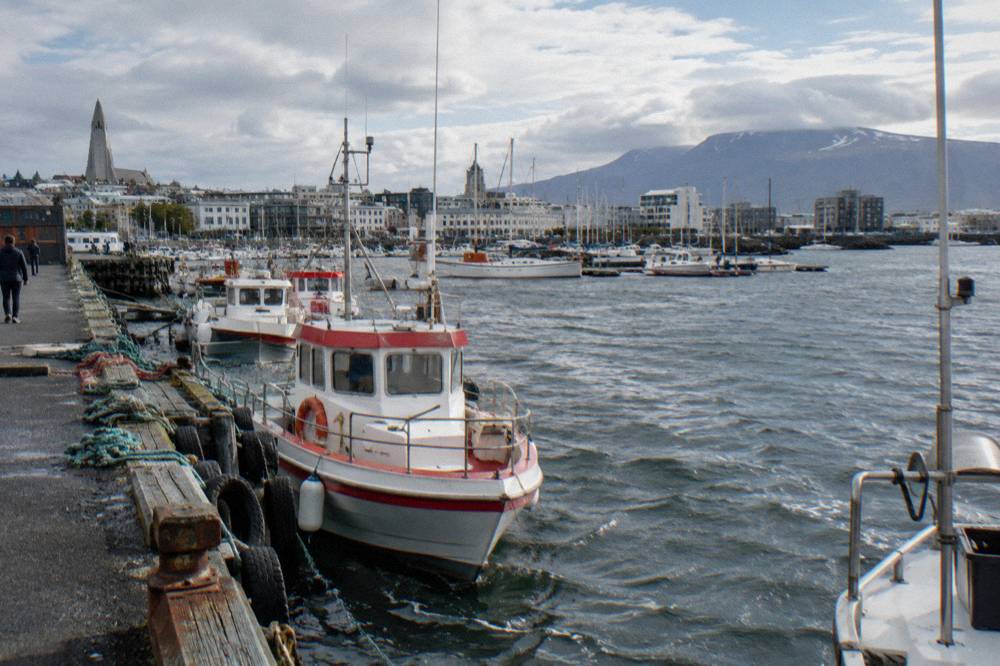
Then there is the harbour. Classic whale watching runs year-round from the Old Harbour, with morning and early afternoon departures, and northern lights cruises push off around 21:00 in season, which runs from mid-August to late April. A 23:00 return to a downtown room is a short walk; from further out it is a night bus or a taxi fare that adds up quickly across a week.
| What downtown gives you | Practical effect |
|---|---|
| All city tours start within the centre | Meeting points are a 5 to 15 minute walk |
| Food halls and restaurants | Hlemmur and Grandi both walkable |
| Harbour departures | Whale, puffin and aurora boats on foot |
| Evening economy | Bars and music venues without a bus home |
| Laugavegur shopping street | Roughly a kilometre, door to door |
Reykjavik's sunrise on 1 November 2026 comes at 9:10 with sunset at 17:10, which works out to about seven hours and fifty-nine minutes of daylight, according to the timeanddate sun tables for Reykjavik.
What Are The Trade-Offs Of Staying Downtown?
The real trade-offs are price, space, and sleep: rooms downtown cost more per night, kitchens and parking are harder to find than in other neighborhoods, and the weekend bar strip stays loud late into the night. You are paying for location, so weigh how much walkability matters to you. If your budget is tight or your stay stretches to a week or longer, an outer district with a bus commute can be the smarter allocation of exactly the same money, and the savings compound with every night you book.
Price is the big one. Accommodation in the centre carries a premium, and Iceland is already expensive: the standard VAT rate is 24 percent, and a per-night accommodation tax of 800 ISK per lodging unit applies to hotels and guesthouses, per the official Icelandic VAT-in-tourism guidelines. Those fixed costs do not change with your postcode, but the base rate absolutely does, and over four or five nights the gap is a real line in the trip budget.
Space is the second. Downtown hotel rooms trend small, and self-catering apartments in the centre book out early in high season. Further out you get more square metres for the same money, often with parking included, which matters if you have a rental car, since central parking is metered and limited.
Noise depends on the exact street. Properties on or just off Laugavegur and the bar streets hear the weekend run, which in summer means light all night and in winter means revellers in the dark in the small hours. A room two blocks north or south, toward the sea or the pond, is usually quiet. Check the specific address, not the general area.
Against those costs, weigh what the commute actually is. The public bus, Straeto, charges 690 ISK for an adult single, with children 11 and under free, and it caps fares automatically so you never pay more than three rides a day or nine a week at the adult rate, per the official Straeto pricing page. Note that the old 24-hour and 72-hour day passes are no longer sold; the capping system replaced them. Even so, daily bus rides for a couple are a steady drip of cost, plus time, plus waiting outside in wind.
Which Areas Count As Downtown, And Which Are The Alternatives?
Downtown in practice means the historic core: the grid between the harbour and the pond, plus Laugavegur and its side streets, in other words everything within about 15 minutes on foot of Hallgrimskirkja. Anywhere beyond that compact, walkable radius sits outside downtown and is where the alternatives begin. The main alternatives are Vesturbaer and the streets just east of the core, walkable in 15 to 25 minutes, and Laugardalur further out, which is bus territory but cheaper and quieter, with pools and parks nearby.
The core itself holds almost everything a visitor comes for. Hallgrimskirkja anchors the south end, the Old Harbour the north, and between them sit the majority of the restaurants, the pubs, the design shops and the small museums. Staying here, you will not use a bus inside the city at all. The trade is that you pay the full central premium for the privilege, and roWhatever else you want to book, from folklore walks to whale-watching boats, is indexed on Reykjavik City Tours.
Just outside the core, the neighbouring streets are the sweet spot for many travellers. A guesthouse in Vesturbaer or east along the boundary streets is often 15 to 20 minutes on foot from the pond, still an easy walk with a coat, and meaningfully cheaper. Evening dinners in the centre remain walkable, which is the line most people care about. The deciding question is hills and weather: a 20-minute walk in January sleet feels different from the same walk in June light.
Further out, Laugardalur offers hotels, the thermal pool complex and the family park, at the best rates, but it is a bus ride to dinner. That suits long stays, families and travellers with a car more than a two-night city break, where every evening out begins and ends with a connection.
| Area | Walk to the pond | Character | Best for |
|---|---|---|---|
| Historic core | 0 to 10 minutes | Bars, restaurants, tour meeting points | Short stays, first visits |
| Vesturbaer | 15 to 20 minutes | Residential, quiet streets | Budget-conscious couples |
| Eastern boundary streets | 15 to 25 minutes | Guesthouses, some nightlife spillover | Balanced cost and access |
| Laugardalur | Bus or 40+ minutes | Pools, parks, hotels with parking | Families, long stays, cars |
Whichever base you pick, the meeting points cluster downtown, so a city walk fits any of them. The express option, a 60-minute local-led walk from $89 per person, is built for exactly this: a fast orientation on day one before you commit your legs to anything longer.
How Do The Seasons Change The Decision?
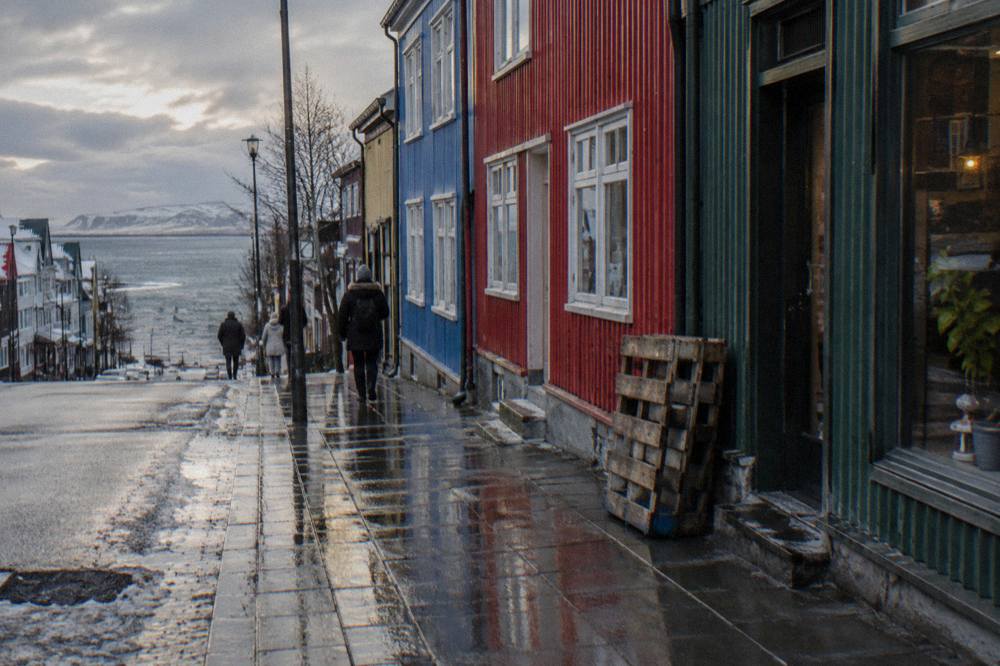
Seasons matter more than most visitors expect: winter strengthens the case for downtown, because short days and storm weather make every minute of transfer time expensive, while summer weakens it, since long evening light turns a suburban stroll into something pleasant rather than punishing. Visit in the colder months and staying central pays off; visit in summer and the suburban trade-off shrinks sharply. Plan on a central room for the dark months from November through February, and give the cheaper outer districts an honest look if your trip falls between May and August, when the light is generous and walking is a pleasure.
Winter in Reykjavik is not brutally cold by absolute numbers, December means sit around 0.8 degrees Celsius, but it is wet and windy, with roughly 9 to 15 days a month recording a millimetre or more of rain. Walking 20 minutes from Vesturbaer in that is survivable; waiting at a bus stop in Laugardalur for a connection after an aurora cruise returns at 23:00 is grim. Winter tyres become mandatory on Icelandic roads from 1 November, a reminder of how seriously the season is taken.
Summer flips the equation. The longest day runs 21 hours and 8 minutes, and the light at midnight makes any walk home feel safe and easy. A cheaper room 20 minutes out costs nothing but a pleasant stroll through streets that never get dark. If your trip falls in June or July, the outer districts earn their price advantage honestly.
One planning note for shoulder season: the hop-on hop-off sightseeing bus runs a winter schedule with departures roughly every 45 minutes from about 9:30, the last departure at 16:15 from Harpa, and a full loop of about 80 to 85 minutes. Its 24 or 48-hour ticket starts from $53.49 and connects the Old Harbour, Harpa and Hallgrímskirkja, which softens the car-free question for outer-district guests, though it is a sightseeing loop rather than a commuter service.
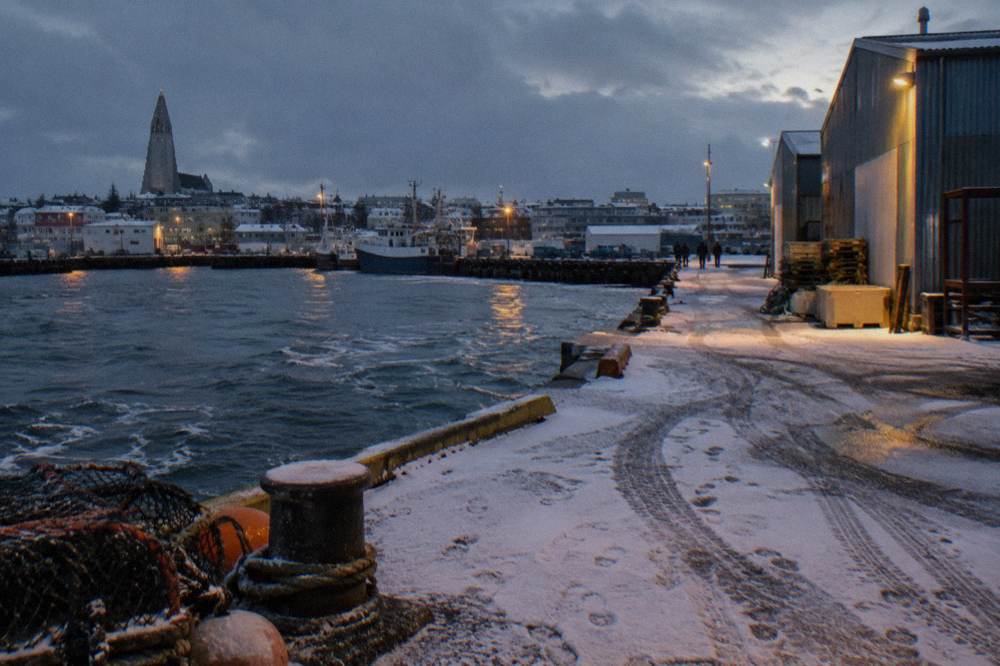
Festivals also tilt the scales. The Winter Lights Festival runs 4 to 7 February 2027 and Iceland Noir and the Reykjavik Dance Festival both land in mid-November 2026. Events like these concentrate in the centre, and hotel prices respond; book early if your dates collide.
Which Tours Make A Downtown Base Pay Off?
A downtown base pays off fastest through the walking tours: a two-hour small-group walk from $50.08 covers the whole centre, and the food, folklore and pub options all depart from inside the core, so once they finish your bed is only a short walk away. The money you save on a suburban room can quietly disappear into transfers and taxis, while the tours themselves start on your doorstep and finish a short walk from your pillow.
The small-group city walk is the anchor. Rated 4.9 across 5,260 reviews, from $50.08 per person, it runs about two hours and is the single most reviewed walking tour in the city. Its value to a downtown guest is simple: the meeting point is minutes away, and the route covers the streets you will then recognise for the rest of your stay. There is a fuller treatment of options in the Reykjavik walking tour guide.
Beyond the classic walk, the centre's tour calendar all but assumes a central base. The feline-focused walking tour, rated 4.9 across 128 reviews from $71, wanders the old streets where the city's cats live. The folklore walk that introduces elves, trolls and ghosts, rated 4.8 across 758 reviews from $52.36, runs about 90 minutes, short enough to slot before dinner. The pub crawl with drinks and games, rated 4.9 across 17 reviews from $111, is by definition an evening-in-the-centre product.
Food tours are the strongest argument of all for sleeping downtown, because they end in the evening with a full stomach and no sensible bus ride ahead. The most reviewed, with 6 tastings over about 3 hours, is rated 4.9 across 2,124 reviews from $147. The comparison of the main options lives in the Reykjavik food tour guide. If you are weighing the core against the suburbs for a trip built around food and evening walks, the centre wins outright; the deeper rundown is in where to stay in Reykjavik for walking tours.
Is A Car Or No Car The Deciding Factor?
Yes, whether you have a car or not is genuinely the deciding factor here: with a rental car, an outer district offering free parking beats fighting the centre's metered spaces. Without one, travellers should stay central instead and simply walk everywhere they want to go. Parking, rather than price, is the hinge of the whole decision, and it is worth settling before you book anything, because it changes which neighbourhoods make sense at all.
Central Reykjavik has limited, paid on-street parking and small hotel car parks that often charge separately. A guesthouse in Laugardalur or the western suburbs typically includes parking, and the ring of the city is a 10-minute drive. If your itinerary is day trips out of the city, a car plus an outer base is efficient, and the car-free alternative is laid out in how to get around Reykjavik without a car.
If you are flying in and out and staying put, skip the car entirely. The Flybus from Keflavik runs to the BSI terminal from 3,999 ISK adult one-way, with a hotel-dropoff option at 5,299 ISK, and BSI itself sits at the southern edge of the centre, walkable to most central hotels, per the official Flybus price list. A car parked all day in a city you never drive in is pure loss.
The middle path is a split stay: sleep central for the first two nights while you walk and eat, then move outward for the day-trip leg of the trip. Iceland's accommodation market makes two short bookings easy enough, and it spares you the worst of both compromises. A longer look at that question sits in the Reykjavik layover and stopover guide.
Whichever plan you land on, the tour layer is the same, and starting from a room inside the core makes every one of these a door-to-door affair:
Common Questions About Staying In Downtown Reykjavik
Is It Better To Stay In Downtown Reykjavik?
For most first visits of one to four nights, yes. The centre is compact, all city tours and harbour departures start within walking distance, and the evening economy of restaurants and bars sits outside your door. The trade-offs are higher room rates, smaller rooms and some weekend noise near the bar streets.
Is Downtown Reykjavik Walkable Without A Car?
Completely. The core spans roughly 1.5 kilometres from the harbour to the pond, Laugavegur runs about a kilometre, and buses only matter for trips to the suburbs or the airport. A small-group walking tour rated 4.9 across 5,260 reviews covers the centre on foot in about two hours.
What Is The Best Area To Stay In Reykjavik On A Budget?
The streets just outside the historic core, such as Vesturbaer and the eastern boundary of the centre, cut room costs while staying within a 15 to 25 minute walk of the pond. Laugardalur is cheaper still but bus-dependent. The adult bus single is 690 ISK with automatic fare capping.
Does It Matter Where You Stay For Whale Watching Tours?
It matters for comfort rather than access. Boats leave from the Old Harbour, so a downtown guest walks to the dock, while an outer-district guest needs a bus or taxi, which is more of an issue for the northern lights cruises that return around 23:00.
Should I Stay Downtown In Winter?
The case is stronger in winter. Daylight drops to under eight hours in November and about four at the solstice, weather is wet and windy, and the savings from an outer room are partly spent on bus fares and time. Central rooms also put the food halls and the evening folklore and ghost walks on foot.