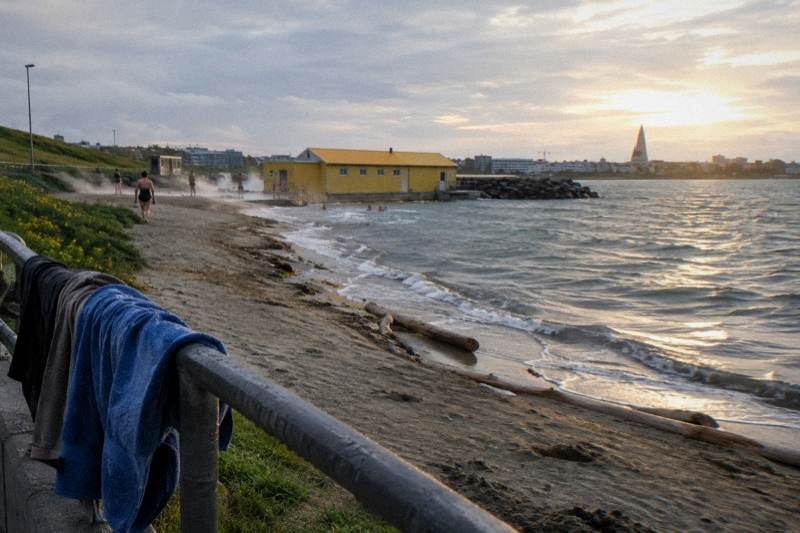
Reykjavik Bike Tour: Routes, Bikes And Weather
Cycling is one of the fastest ways to see Reykjavik's waterfront, and the guided options here lean heavily on e-bikes for a reason. Here is what the routes, prices, hills, wind and weather actually look like.
Short answer
A guided Reykjavik bike tour runs about 2 hours and costs from $134 per person for the e-bike tour of nature, coast and city. Reykjavik is mostly flat along the seafront, so distance is rarely the problem; wind is. Regular bikes suit confident riders, e-bikes suit nearly everyone else, and the hop-on hop-off bus covers similar ground for from $53.
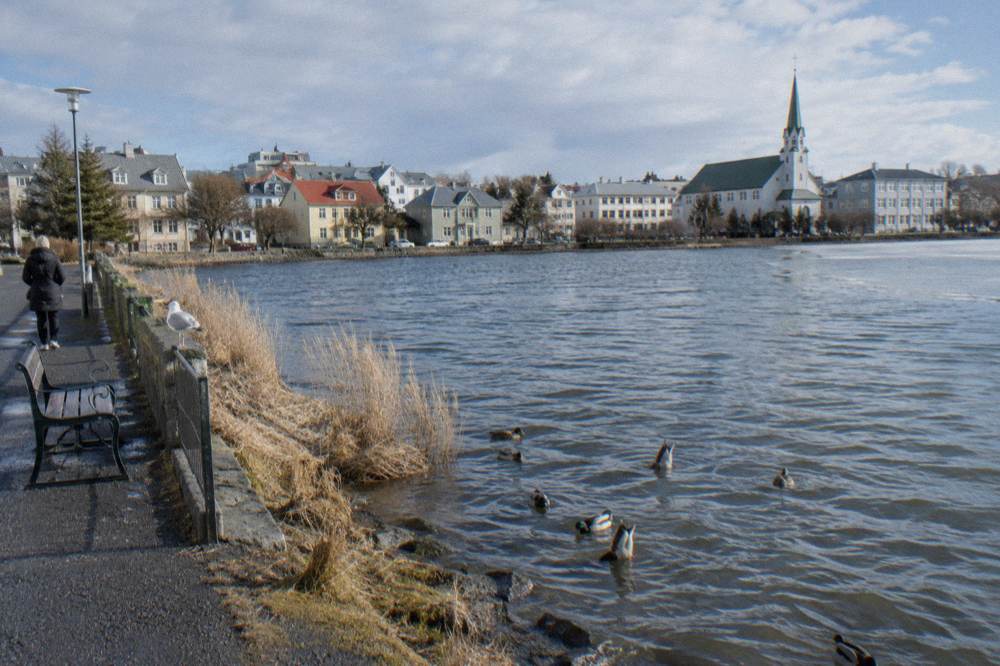
Reykjavik sits on a peninsula, which means almost any ride in the city eventually meets the sea. The core is compact, the waterfront bike paths are separate from traffic for most of their length, and the whole downtown can be crossed by bike in well under half an hour. That combination makes a short guided ride one of the more efficient ways to get oriented, and the local operators know it: the main guided option is an e-bike tour, not a traditional pedal tour, and that choice tells you a lot about how the wind behaves here.
This guide covers what a bike tour in Reykjavik actually involves: the route and terrain, e-bikes versus regular bikes, prices, the seasonality of daylight and weather, and who would honestly be happier on foot or a bus. Tour times and prices can change, so check the live listing before you book., and it flags the places where you should confirm details on the booking page rather than trusting any fixed number. If pedaling sounds like more effort than you fancy, the Reykjavik Segway and e-scooter tour guide lays out which wheeled alternatives actually run, what they cost, and how they handle rain.
Is Reykjavik Good For A Bike Tour?
Yes, for a specific kind of ride: short, seafront-focused and mostly flat. Reykjavik's centre is small enough that a two-hour loop of coastline, parks and city streets, with the Elliðaárdalur valley waterfall among the stops riders mention. Bike paths run along most of the waterfront, traffic in the core is calm, and distances between landmarks are measured in minutes, not hours. It is an orientation ride, not a sport ride.
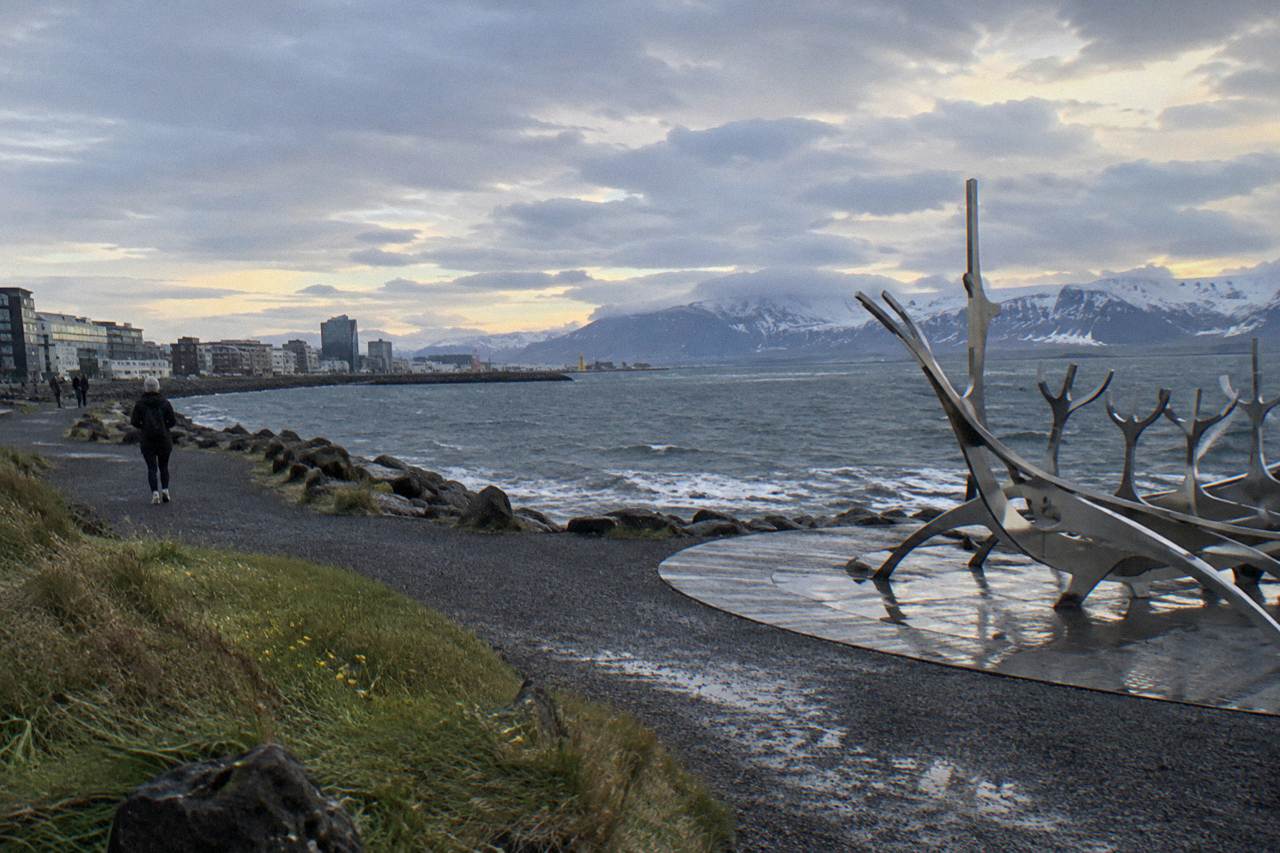
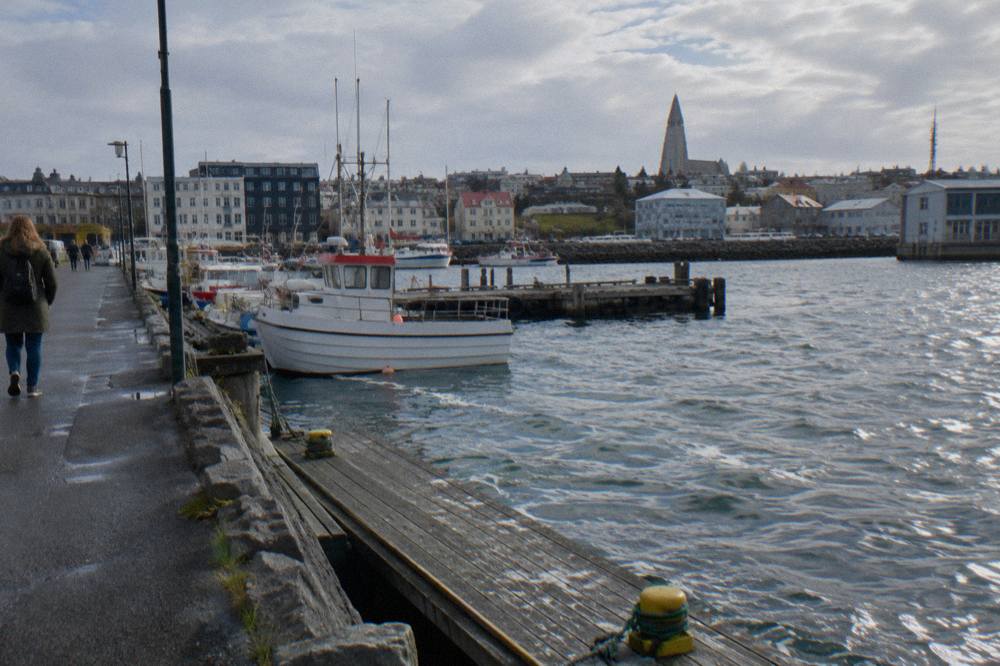
The geography works in a cyclist's favour. Downtown Reykjavik spreads along the north edge of the Seltjarnarnes peninsula, with the water never far away on either side. The classic riding corridor follows the northern shore: from the Old Harbour east past Harpa and the Sun Voyager toward Laugardalur, or west along the Grandi district toward the Seltjarnarnes lighthouse area. Most of this is purpose-built path or quiet street, which is why guided rides concentrate there rather than in the hills south of the centre.
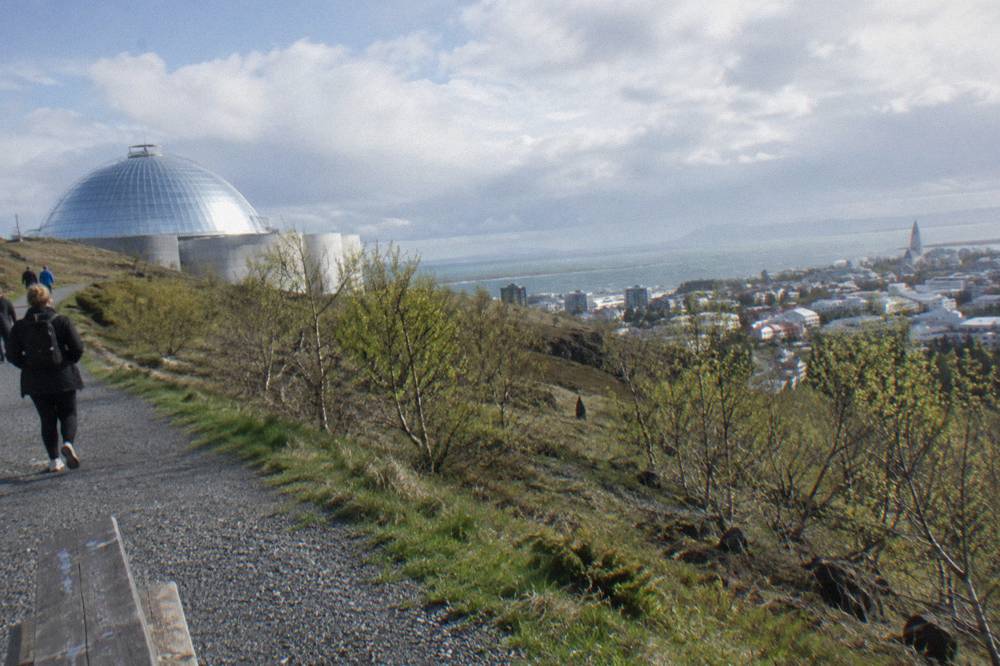
The one real climb on most routes is Öskjuhlíð, the wooded hill that holds the Perlan building on its summit. It is a steady but modest climb through one of the largest planted forests in the capital area, and it is the reason e-bikes dominate the guided market here. Riders who want to skip it usually can; the booking page for your tour will say whether the hill is on your specific loop, since routes shift with weather and group ability.
| Route section | Terrain | What you pass | Riding character |
|---|---|---|---|
| Old Harbour to Harpa | Flat waterfront path | Fishing boats, Harpa concert hall | Easy, sightseeing pace |
| Sun Voyager to Laugardalur | Flat path and quiet streets | Sun Voyager sculpture, seaside apartments | Easy, slightly longer |
| Grandi district westward | Flat harbour-side path | Food halls, maritime museums, harbour views | Easy, wind exposed |
| Öskjuhlíð hill loop | Steady woodland climb | Planted forest, Perlan viewpoint | The one workout section |
| Seltjarnarnes coast | Flat, exposed path | Lighthouse area, open sea views | Calm on still days, tough in wind |
For context on where cycling fits among your options, the broader getting around Reykjavik without a car guide covers buses, scooters and walking times side by side. Cycling sits in the middle: faster than walking, more flexible than the bus, and dependent on the one thing you cannot book, which is the wind.
What Does The Reykjavik E-Bike Tour Cover?
The main guided ride is the Reykjavik EBike Tour of Nature, Coast and City, roughly 2 hours long, priced from $134 per person. It combines the seaside path, green-space riding and downtown landmarks in one loop, with a guide and the e-bike included. The tour currently has 7 reviews, too few to support a star rating, so judge it on the itinerary and price rather than a review score.
The listing describes exactly what its title promises: nature, coast and city, in that order of emphasis. E-bikes remove the Öskjuhlíð climb as an obstacle, which opens a route a regular-bike tour would think twice about. Because the tour is e-bike based, it also suits a wide age and fitness range; you pedal, but the motor flattens the headwind and the hill, and headwind is the more common of the two in Reykjavik.
Meeting point details, departure times and what to bring are listed on the tour's page, You'll find live dates and current availability on the operator's booking page: Check availability. Two hours is enough for the full loop at a relaxed pace, and e-bike tours here do not ride in bad weather without saying so; confirm the operator's weather policy when you book, since Reykjavik conditions change fast.
If a guided ride at a set time does not fit your plans, two alternatives cover comparable ground with the same effort level. The private tuk tuk extended city tour runs about the same set of landmarks from an open-sided vehicle, from $520 per group, and the hop-on hop-off bus covers the headline stops from $53 per person. Both reappear later in this guide in the section on who should skip a bike tour.
How Much Does A Reykjavik Bike Tour Cost?
The guided e-bike tour costs from $134 per person for a roughly two-hour loop with bike and guide included. There is no regular-bike guided tour currently sold at a lower price point to compare against, so $134 is effectively the entry price for a guided ride. Unguided alternatives are cheaper: a day of Hopp e-scooter use can run higher per hour, while the hop-on hop-off bus starts from $53.
The pricing logic in Reykjavik is straightforward. Guided tours charge for the guide, the equipment and the fixed schedule; e-bikes add equipment cost over regular bikes. What you get for that premium is a route chosen for the day's conditions, a guide who adjusts for weather, and no time lost working out which path goes where. What you give up is the freedom to stop for an hour at a café.
| Option | Format | Duration | Price | Rating basis |
|---|---|---|---|---|
| EBike Tour of Nature, Coast and City | Guided e-bike ride | ~2 hours | from $134 | 7 reviews |
| Hop-on hop-off bus (City Sightseeing) | Open-top bus loop | ~1 day ticket | from $53 | rated 4.0 across 1,536 reviews |
| Hop-on hop-off 24 or 48-hour ticket | Open-top bus loop | 24 or 48 hours | from $53.49 | rated 3.2 across 909 reviews |
| Private tuk tuk extended city tour | Private covered vehicle | listing shows duration on booking page | from $520 per group | 5 reviews |
| Hopp e-scooter (self-guided) | Rental per minute | pay as you go | 115 ISK start + 45 ISK per minute | n/a |

A note on the scooter comparison: Hopp e-scooters charge 115 ISK to start plus 45 ISK per minute, per the operator's own pricing, so an hour of riding costs far less than the two-hour guided tour. Scooters suit short hops between stops, not a full city circuit. The operator's Reykjavik pricing page has the current rates and the 18-plus age requirement.
Should You Choose An E-Bike Or A Regular Bike In Reykjavik?
For a guided tour, the choice is already made: the sold options here are e-bike based. For independent riding, e-bikes suit most visitors better because Reykjavik's obstacle is wind rather than distance. Regular bikes work well for confident riders on calm days, especially for the flat Grandi and seafront stretches. The Öskjuhlíð climb decides it: regular bikes make it a workout, e-bikes make it a viewpoint.
Think about what a ride in Reykjavik actually demands. The distances are short, downtown to Laugardalur is a modest pedal even on a heavy bike, and the paths are good. But the city sits in the path of North Atlantic weather systems, and sustained coastal wind can double the effort of a flat ride instantly. An e-bike motor largely cancels that; a regular bike does not, and a headwind on the exposed western seafront is the part visitors underestimate. The wider set of guides lives on Reykjavik City Tours.
| Factor | Regular bike | E-bike |
|---|---|---|
| Flat seafront loop | Easy, pleasant ride | Effortless, higher speed possible |
| Öskjuhlíð climb | Steady workout | Minimal extra effort |
| Coastal headwind | Doubles effort instantly | Mostly absorbed by the motor |
| Bike weight when stopped | Lighter, easier to handle | Heavier, matters when unsteady |
| Rental cost | Lower daily rate | Higher rate, standard on guided tours |
| Best suited to | Confident riders, flexible timing | Nearly everyone, fixed tour times |
Regular bikes still have a real case. Rental shops in the city rent them cheaply, the core loop is flat, and on a still summer evening the seafront path is one of the nicer rides in the country. If your plans are flexible enough to wait for a calm day, a regular bike costs less and does the same route. If your plans are fixed to a tour time, the e-bike removes the gamble.
There is a middle option worth knowing about: the segway and e-scooter guide explains why no stand-up tours run here, and the pricing on those pages shows where two wheels with a seat win on comfort. For most visitors deciding between the two, the honest summary is this: choose an e-bike if you want the viewpoint without the climb, choose a regular bike if the forecast looks kind.
How Bad Is The Wind For Cycling In Reykjavik?
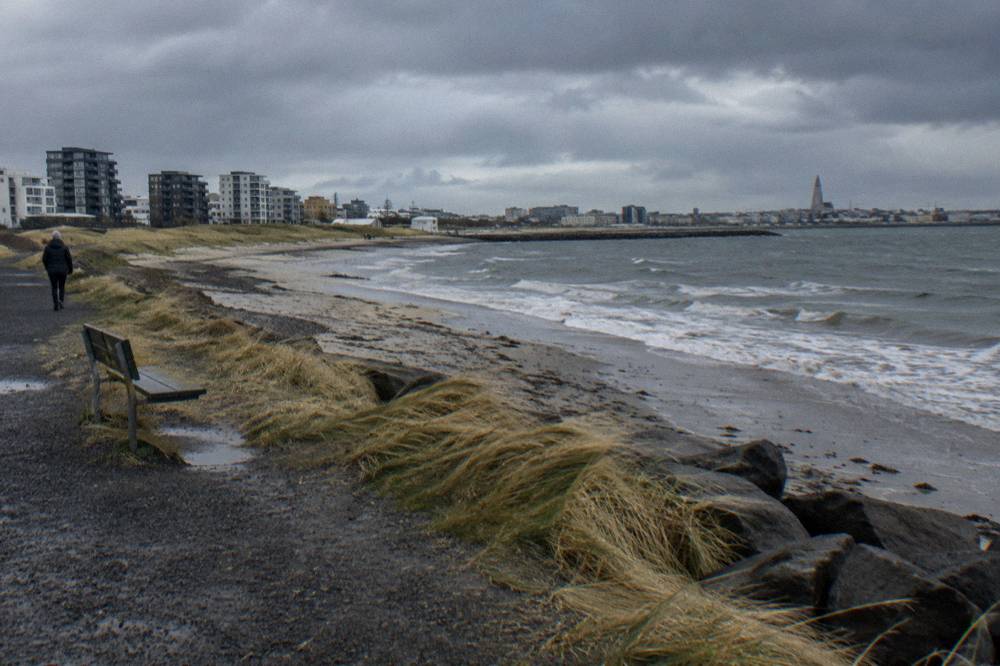
Wind, not hills, is the real constraint on a Reykjavik ride. The seafront is exposed on both sides of the peninsula, and gusty conditions can turn a flat path into hard work within minutes. The guided e-bike tour exists partly for this reason: the motor absorbs headwind that would otherwise decide your route. Winter adds short daylight and near-freezing temperatures, with December means around 0.8 degrees C.
The Icelandic Met Office keeps the live forecast, and any ride plan here should start with it. Reykjavik's climate is milder than its latitude suggests, thanks to the Gulf Stream: January means sit near 0.7 degrees C and December near 0.8 degrees C, cold by cycling standards but far from arctic. Rain falls on 9 to 15 days per month in a typical year, usually lightly rather than in downpours, so the practical question each day is wind strength and direction more than anything else.
For context on what the calendar does to your plans, the detailed Reykjavik weather by month guide breaks down the seasons. The short version for cyclists: summer gives long evenings and the calmest odds, while from 1 November onward, winter tyres are mandatory on Icelandic roads, a reminder of how seriously the country takes the season, and daylight shrinks toward the shortest day of about 4 hours 7 minutes on 21 December.
If the forecast turns against you on a booked day, operators here deal with this constantly; check the tour's cancellation and rebooking terms on the booking page. And for rides that turn into rainy afternoons, the tours in the rain guide lists what still works when the weather does not cooperate.
When Is The Best Season For A Bike Tour In Reykjavik?
Late May through August offers the best combination: long daylight, the calmest wind statistics and full tour schedules. Midsummer gives over 21 hours of light on 21 June, meaning an evening ride is as bright as an afternoon one. Spring and autumn still work with layers, while November to January, with around 4 to 8 hours of daylight, pushes most riders toward indoor and bus alternatives.
The daylight swing in Reykjavik is extreme and it shapes everything. On the longest day, 21 June, the sun is up for 21 hours and 8 minutes. By 15 November sunrise comes at about 9:56 and sunset at 16:27, roughly 6 and a half hours of usable light. A two-hour tour fits inside either window, but the summer version can start at 8pm and still finish in daylight, which is why summer schedules are fuller.
| Period | Approximate daylight | Cycling conditions | Best bike plan |
|---|---|---|---|
| June to mid-August | 16 to 21 hours | Longest days, mildest air, busiest schedules | Any tour time, including evening |
| Late April to May | 15 to 18 hours | Cool, greener paths, fewer crowds | Morning rides, layers |
| September to October | 10 to 13 hours | Cooler, windier, quieter | Midday rides, windproof layer |
| November to January | 4 to 8 hours | Short days, near-freezing means | Short midday loop or skip |
| February to March | 8 to 12 hours | Cold but returning light | Midday rides, warm gear |
Aurora season runs from mid-August to late April, which creates an unusual autumn opportunity: a late ride in August can end under a sky dark enough for northern lights, though no operator promises a sighting and neither does this guide. The practical takeaway is that shoulder-season riding in Reykjavik is underrated: paths are quiet, prices hold steady, and a windproof jacket solves most of what the season throws at you.
Who Should Skip A Bike Tour In Reykjavik?
Skip the bike if you have balance or joint issues, if young children set your pace, or if your visit falls in deep winter with its 4-hour days. The same ground is covered comfortably by the hop-on hop-off bus from $53, by a private tuk tuk from $520 per group, or on a classic walking tour from $49. None of these depends on the wind, and all run closer to year-round.
The honest test is the Öskjuhlíð hill plus the wind exposure, taken together. A rider who would enjoy both will love the e-bike loop; a rider who would tolerate either but not both should be on something else. Balance is the other quiet factor: e-bikes are heavier than regular bikes, and in a gusty moment that weight matters for anyone unsteady.
The bus is the simplest substitute. The City Sightseeing hop-on hop-off tour, rated 4.0 across 1,536 reviews and priced from $53, loops the headline stops with an audio guide, and its winter schedule runs departures roughly every 45 minutes from about 9:30, with the last departure at 16:15 and a full loop of about 80 to 85 minutes, per the operator's current listings. Note the service has seasonal suspensions in its history, so confirm it is running on your dates.
The tuk tuk is the covered, private version of the same idea. The Private Reykjavik Extended City Tour by tuk tuk costs from $520 per group and suits families or small parties who want a driver-guide without pedalling; with only 5 reviews so far, judge it on itinerary and format. The booking page lists the meeting point and group size limits.
And the walking tour remains the budget anchor: the classic small-group city walk with a local guide costs from $49 per person and is rated 4.8 across 616 reviews, covering the downtown core in about two and a half hours at strolling pace. On a wet or windy day, it wins. On a calm June evening, the bike wins, which is really the whole decision in one sentence.
For families weighing the options in detail, the tours for kids and families guide covers age limits and what actually holds children's attention.
Common Questions About Reykjavik Bike Tours
Is Reykjavik Good For A Bike Tour?
Yes, for a short orientation ride. The seafront paths are mostly separated from traffic, the core is compact, and a two-hour loop covers the harbour, Sun Voyager, Harpa and the Öskjuhlíð hill. The limiting factor is wind rather than distance or hills.
How Much Does A Reykjavik Bike Tour Cost?
The guided e-bike tour of nature, coast and city costs from $134 per person for roughly two hours, with the bike and guide included. It has 7 reviews so far, too few for a reliable star rating. Cheaper unguided options include the hop-on hop-off bus from $53.
Are There Regular Bike Tours In Reykjavik?
The guided tours currently sold are e-bike based. Regular bikes are widely available for independent rental and suit confident riders on calm days, but there is no regular-bike guided tour at a lower price point to compare against the e-bike option.
Is Reykjavik Flat Enough For Cycling?
Mostly. The waterfront and downtown are flat, and the main guided route sticks to them apart from the Öskjuhlíð climb to the Perlan viewpoint, a steady but modest hill through woodland. E-bikes make that climb easy for most riders.
When Is The Best Time Of Year For A Bike Tour In Reykjavik?
June to mid-August, when daylight runs 16 to 21 hours and temperatures are mildest. Shoulder months work with layers. From November to January, daylight shrinks to roughly 4 to 8 hours, which pushes most visitors toward bus or walking alternatives.
What Should I Wear On A Reykjavik Bike Tour?
Layers, a windproof outer jacket and gloves, even in summer. Wind on the exposed seafront is the constant, and light rain falls on many days of each month. The tour listing or booking page states anything specific the operator requires.