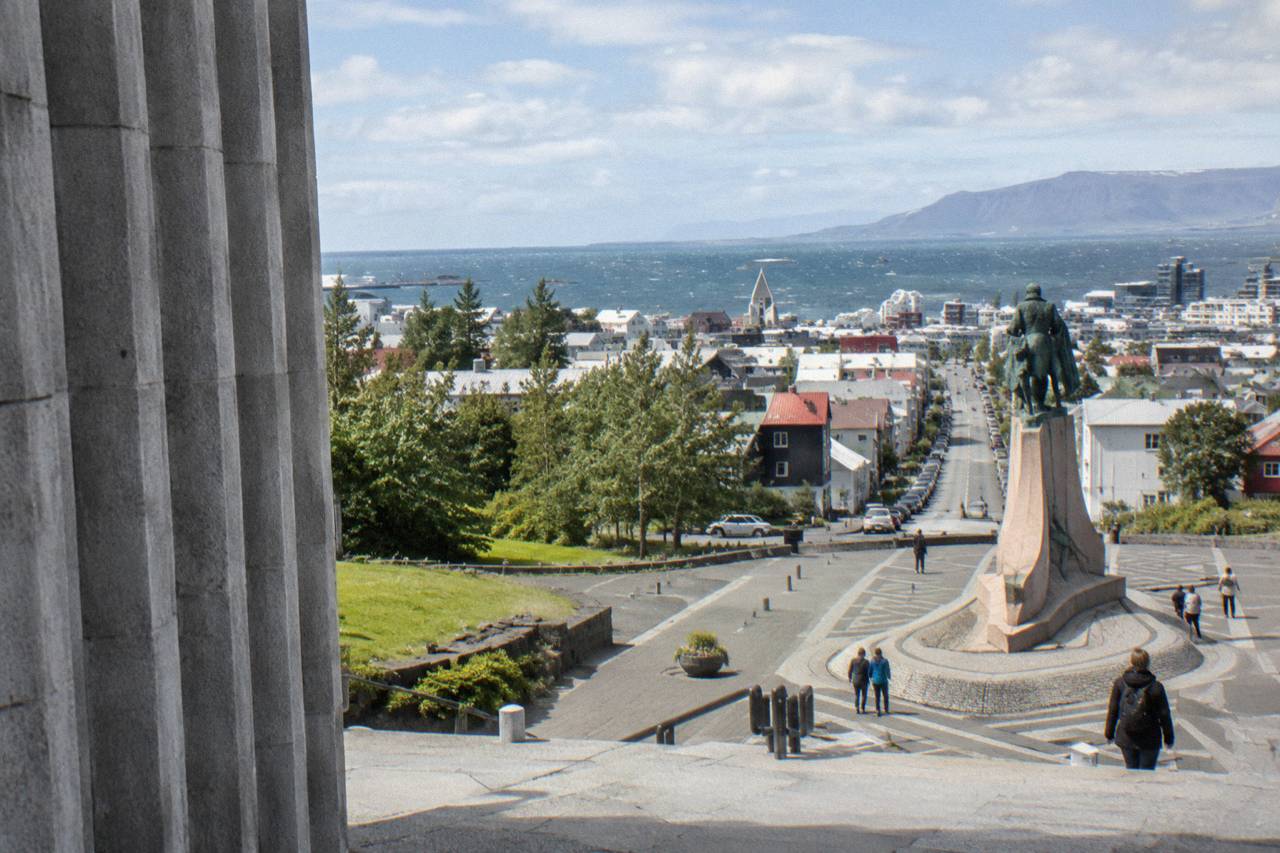
Reykjavik Weather By Month
Reykjavik weather swings from 21 hours of June daylight to four December hours, with cool summers, mild-but-wet winters and wind that shapes every packing decision.
Short answer
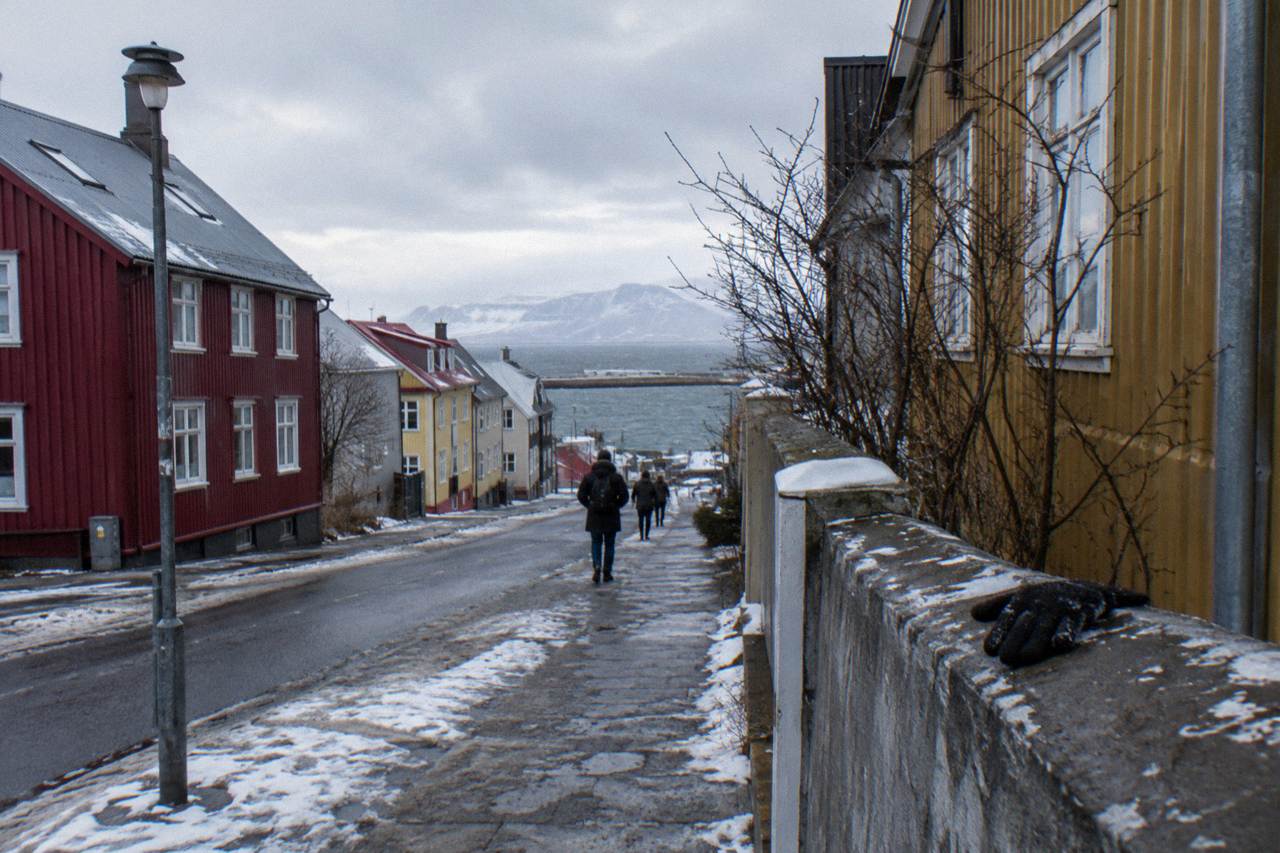
Reykjavik has cool summers and mild, wet winters. January averages 0.7°C, February 0.5°C and December 0.8°C, with 9 to 15 rain days a month. Daylight runs from about 21 hours in late June down to about 4 hours in late December. Wind matters more than temperature, so layers and a shell beat a heavy coat.
Reykjavik sits farther north than almost any capital on earth, and its weather behaves accordingly. The North Atlantic Current keeps the city far milder than its latitude suggests, so winters hover around freezing rather than plunging deep below it, while summers stay cool and long-lit rather than hot. The result is a city where the forecast matters, where the wind can turn a pleasant afternoon into a bracing one in twenty minutes, and where the amount of daylight changes more from month to month than the temperature ever does.
The numbers below come from Icelandic Met Office station records and astronomical tables for the city, plus what each month means for the tours themselves, from whale and puffin boats in summer to Christmas walks and ghost stories in the dark months. The pattern to hold onto is simple: temperatures vary gently across the year, daylight varies wildly, and rain arrives in some amount roughly half the days of every month.
What Is The Weather Like In Reykjavik Month By Month?
Month by month, Reykjavik runs cool summers and mild, damp winters. Confirmed Met Office normals put January at a mean of 0.7°C, February at 0.5°C and December at 0.8°C, with roughly 95 mm of precipitation in December alone. Between 9 and 15 days each month see at least 1 mm of rain, so a waterproof layer earns its place in every season, even in June.
The seasonal rhythm rewards planning more than precision. May through August brings the longest days and the most reliable dry stretches, which is why the majority of walking and food tours fill fastest then. September shortens the days but often stretches summer mildness into the middle of the month, and the first aurora-season dark nights appear from mid-August. October is the hinge month: about ten hours of daylight mid-month, cooling temperatures, and the point at which operators shift to winter schedules, winter tyre rules begin on 1 November, and the city settles into its long, dim, atmospheric winter.
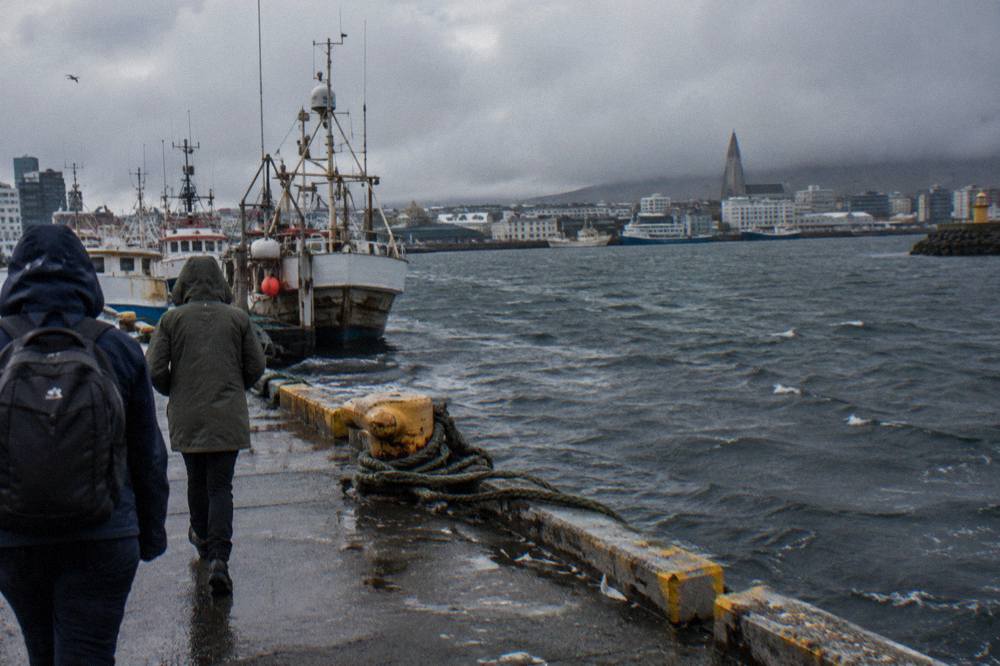
Winter itself is milder than most visitors expect. The sea moderates everything, so deep freezes are rare and sustained snow cover in the centre comes and goes. What winter does deliver reliably is wind, short days, and a particular low-light beauty over the harbour. The Icelandic Met Office publishes the live forecast and warnings, and the daylight figures come from the astronomical tables for Reykjavik, which are worth a look before you fix any itinerary.
Here is how the confirmed pieces fit together, month by month. Where a monthly mean temperature is not in the verified figures, it is left out rather than estimated.
| Month | Daylight on the 15th | Confirmed temperature figures | What to expect |
|---|---|---|---|
| January | 5 h 25 m | High 3.2°C / low -1.7°C (38°F / 29°F) | Short days, frequent rain or sleet, strong wind possible |
| February | 8 h 38 m | High 3.3°C / low -1.9°C (38°F / 29°F) | Daylight returning quickly, still wet and cold |
| March | 11 h 42 m | High 4.2°C / low -1.3°C (40°F / 30°F) | Spring light, changeable conditions |
| April | 15 h 05 m | High 6.9°C / low 1.0°C (44°F / 34°F) | Long days arriving, showers alternating with clear spells |
| May | 18 h 24 m | High 10.1°C / low 4.0°C (50°F / 39°F) | Bright, cool, generally drier |
| June | 21 h 02 m | High 13.0°C / low 7.2°C (55°F / 45°F) | Peak daylight, midnight sun effect, coolest "summer" feel |
| July | 19 h 43 m | High 14.9°C / low 9.1°C (59°F / 48°F) | Warmest stretch on average, still jacket weather |
| August | About 16.5 h | High 14.1°C / low 8.6°C (57°F / 47°F) | Aurora season returns mid-month, evenings darken |
| September | 13 h 03 m | High 11.4°C / low 6.2°C (53°F / 43°F) | Autumn light, increasing rain, quieter streets |
| October | About 10 h | High 7.6°C / low 2.7°C (46°F / 37°F) | Hinge month, winter schedules begin, aurora nights |
| November | 6 h 31 m | High 4.7°C / low -0.1°C (40°F / 32°F) | Sunrise 9:56, sunset 16:27 mid-month |
| December | 4 h 13 m | High 3.3°C / low -1.6°C (38°F / 29°F) | Darkest weeks, festive lights, wet rather than bitter |
Two cautions before you trust any forecast. Rain-day counts of 9 to 15 per month mean no month is reliably dry, and the 21 June 2026 figure was the year's longest day at 21 hours 8 minutes, while 21 December gave only about 4 hours. Those two facts frame everything else about visiting Iceland's capital.
How Much Daylight Does Reykjavik Get Each Month?
Daylight is the single biggest month-to-month change in Reykjavik. The 15th of the month delivers about 5 hours 25 minutes in January, 21 hours 2 minutes in June, and 4 hours 13 minutes in December. On 1 November the sun rises at 9:10 and sets at 17:10, and by 15 November it rises at 9:56 and sets at 16:27.
That swing reshapes every itinerary. In June you can start a walking tour at 8 in the evening and finish in full light, and locals joke that darkness is a rumour. In December, effectively usable sightseeing light runs from late morning to mid-afternoon, so a two-hour walk placed at noon uses the whole bright window. Visitors who book morning tours in deep winter sometimes discover the meeting point is still dark and the streets are lit like night, which is atmospheric but worth knowing in advance.
The transition months are the sweet spot for many travellers. February gains over three hours of daylight between its first and last day, March adds almost four, and by mid-April the city has 15 hours again. Photographers tend to love September and October precisely because sunrise and sunset both land at civilised hours, giving long golden periods twice a day instead of a midnight sun that never fully sets.

Practically, match tour length to the light you have. A roughly two-hour small-group walking tour, rated 4.9 across 5,260 reviews and from $50.08, fits comfortably inside a December noon. The same walk in June can start in the late evening and feel like mid-afternoon. The best time of day for a walking tour question is answered by the season more than by the clock.
How Windy And Wet Is Reykjavik Really?
Wind, not cold, defines Reykjavik weather. The city records between 9 and 15 days per month with at least 1 mm of rain, December brings about 95 mm of precipitation, and gale-force gusts can arrive in any season. Mean temperatures stay near freezing in winter, so wind chill, not the thermometer, is what you dress for.
The wet-day pattern surprises people who expect Iceland to be either snowy or dry. It is neither: it is damp, on and off, most of the year. A typical week mixes rain, sleet, bright spells and one genuinely windy day, and locals read the forecast twice a day because two consecutive days rarely match. Rain jackets live at the top of the coat rack, not the bottom, and umbrellas are close to pointless in the frequent gusts, a shell with a hood is the local solution.
Wind also has a safety edge worth respecting. When the Met Office issues a yellow or orange wind warning, harbour boat trips pause and walking routes along the open waterfront become unpleasant or genuinely hazardous. Winter and spring storms occasionally close ring-road sections outside the city for hours, with ice on exposed stretches even when the road stays open. Checking the official forecast and road conditions the same morning you travel is simply the local habit, not paranoia.
| Condition | What the figures show | Practical consequence |
|---|---|---|
| Rain days | 9 to 15 days per month with 1 mm or more | Pack a waterproof shell in every season |
| December precipitation | About 95 mm | Wettest-typical winter month, sleet more than snow |
| January mean | 0.7°C | Mild for the latitude, ice underfoot possible |
| February mean | 0.5°C | Similar cold, rapidly lengthening days |
| December mean | 0.8°C | Rarely a deep freeze, frequently damp |
| Wind | Gusts can reach warning level any month | Skip umbrella, use hood; watch Met Office warnings |
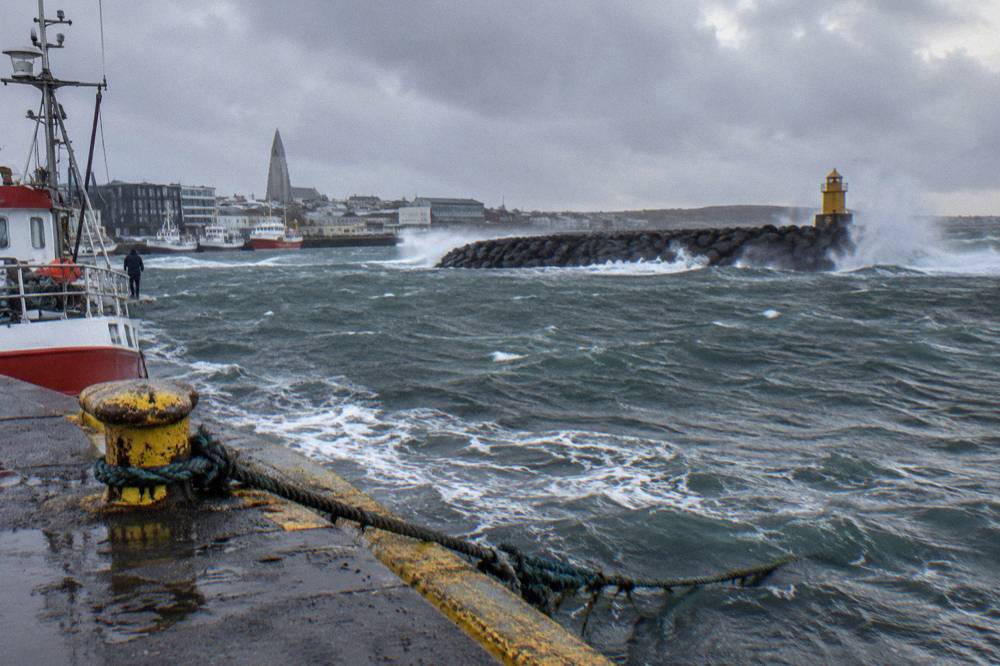
The interplay of wind and tours deserves one plain statement: operators do not promise weather. Harbour trips describe sightings and conditions as variable, and responsible operators cancel or rebook when winds pass their safety thresholds, usually with a refund or free reschedule. That flexibility is a feature, not a flaw, and it is why checking the morning-of conditions matters for any boat booking. The Reykjavik tours in the rain guide covers the wet-day options in detail.
When Is The Best Month To Visit Reykjavik For Tours?
For walking and food tours, May through August offers the longest daylight and the most stable conditions. For northern lights, mid-August to late April delivers dark nights. For lower prices and thinner crowds, late September through October balances shortening days against autumn colour, aurora chances and fewer visitors at every stop.
Each month genuinely earns its fans. June suits visitors who want to walk the city at midnight; a food tour that ends late still finishes in daylight. September and October suit travellers who want aurora odds plus walkable afternoons, since mid-September keeps about 13 hours of daylight while offering genuinely dark nights. December trades daylight for the Christmas-lit city at its most atmospheric, with tours like the Christmas myths walk, from $40.38, built around exactly that darkness.
Tour formats also differ in weather resilience, which matters more month to month than most buyers realise.
| Tour type | Weather exposure | Best months | Example from the options |
|---|---|---|---|
| Small-group city walk | Low, moves between stops | All year | From $50.08, rated 4.9 across 5,260 reviews, about 2 hours |
| Food tour | Very low, mostly indoors | All year, ideal in winter | Six-plus tastings from $149, rated 4.8 across 23 reviews |
| Hop-on hop-off bus | Minimal, sheltered onboard | All year on winter timetable | 24 or 48-hour ticket from $53.49, rated 3.2 across 909 reviews |
| Harbour boat trips | High, wind-dependent | Apr to Oct for RIB trips; classic boats run year-round | Check the booking page for winter departures |
The small-group walk earns its place in any month. At about two hours and from $50.08 per person, it costs little enough to repeat in different weather, and its 4.9 rating across 5,260 reviews makes it the most-reviewed walk in the city's tour options. In winter the same route under streetlights and snow flurries reads completely differently from its June version, which is a fair argument for taking it early in a stay and letting it calibrate your sense of the city.
A six-tasting food tour is the other all-weather anchor. Spending three hours moving between warm rooms with hot soup, rye bread and coffee between you and the elements is a genuinely winter-proof plan, and from $149 it sits mid-range among the food options. For the fullest picture of that category, the Reykjavik food tour guide compares durations, tasting counts and price points side by side.
What Should You Wear For Reykjavik Weather?
Dress in layers with a windproof, waterproof shell as the outer one, whatever the month. A base layer, a warm mid-layer and a hooded jacket handle both a 0.7°C January mean and a cool July afternoon. Skip the umbrella, waterproof your shoes, and bring a hat and gloves from October through April, when wind chill does the real work.
The layering advice is not generic travel boilerplate here, it is a direct response to how fast conditions swing. A single Reykjavik afternoon can move from bright and windless to sideways sleet within an hour, and the walk from the city centre to the harbour is fully exposed to the waterfront wind. Locals wear the same three-layer system in every season and simply adjust the thickness of the middle layer. Footwear matters more than visitors expect: pavements can be wet, and in winter occasional ice makes grippy soles the difference between a pleasant walk and a careful shuffle. For the question nearly every visitor asks next, the guide to wearing jeans in Reykjavik settles whether denim has a place in that layering plan.
Summer visitors consistently under-pack warmth. July is the warmest month on average, yet evenings still call for a jacket, and anyone standing still outdoors, watching a harbour view or waiting for a tour to assemble, feels the wind's chill. If you plan bar evenings, the what to wear to bars in Reykjavik post covers the indoor side of the wardrobe question, including the practical point that you will carry your outdoor layers inside most venues.
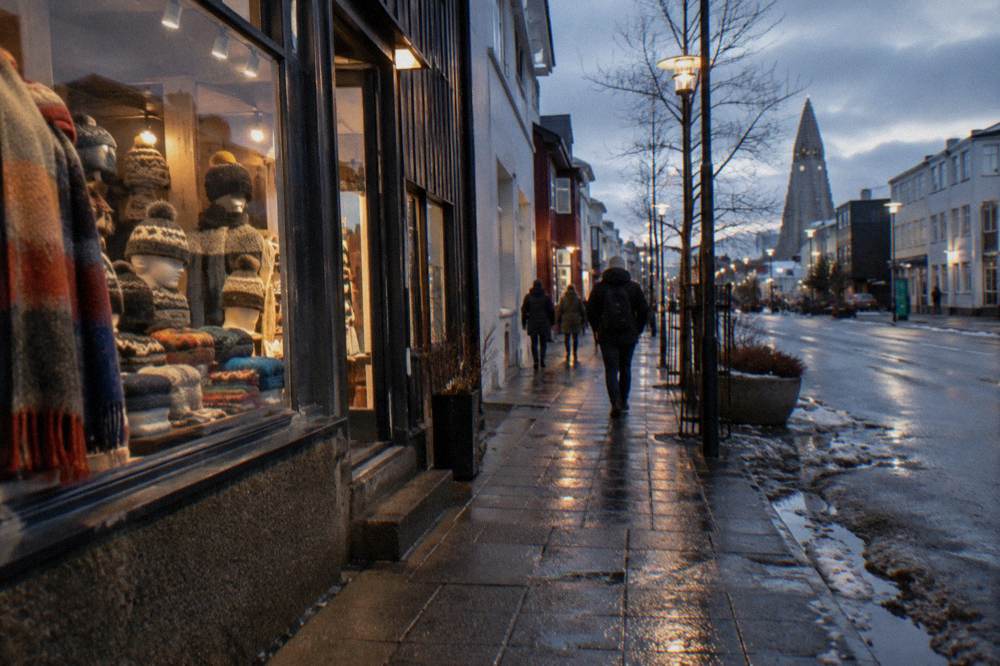
Winter adds two specifics. First, reflectives or a small torch help on unlit pavements, because midwinter afternoons end around half past three. Second, Icelandic wool, the lopapeysa, is not just souvenir kitsch; it is a genuinely effective mid-layer designed for exactly this damp, windy climate, and buying one on arrival is a common and sensible move. The dedicated what to wear on a Reykjavik walking tour guide goes item by item.
Does Weather Change Tours And Transport In Reykjavik?
Yes, in three visible ways. Harbour and boat tours pause when wind warnings hit, the hop-on hop-off bus runs a winter timetable of roughly every 45 minutes from about 9:30 to a 16:15 last departure, and capital-area bus services face planned reductions from 1 December 2026. Walking tours mostly run in all weather, rain gear in hand.
The bus timetable split is the clearest example. Through the brighter half of the year the hop-on hop-off loop, about 80 to 85 minutes around with audio commentary in eight languages, runs a fuller schedule matched to long days. In winter it compresses into the daylight window, which fits neatly with the fact that its 24 or 48-hour ticket, from $53.49, lets you ride the loop as a warm, dry orientation rather than a full-day exploration tool. The service has suspended entirely for a late-winter stretch in the past, so checking the operator's current dates before a March or April visit is wise.
Boat trips are the most weather-sensitive category in the city. Whale watching from the old harbour runs year-round, with RIB speedboat versions operating roughly April through October before the boats are stored for winter, while classic boats continue through the dark months. Sightings are never promised, and wind above operator thresholds pauses departures. When a trip is cancelled for weather, rebooking or a refund is standard practice, which makes morning-of flexibility a genuine advantage of booking boat tours on shorter notice.
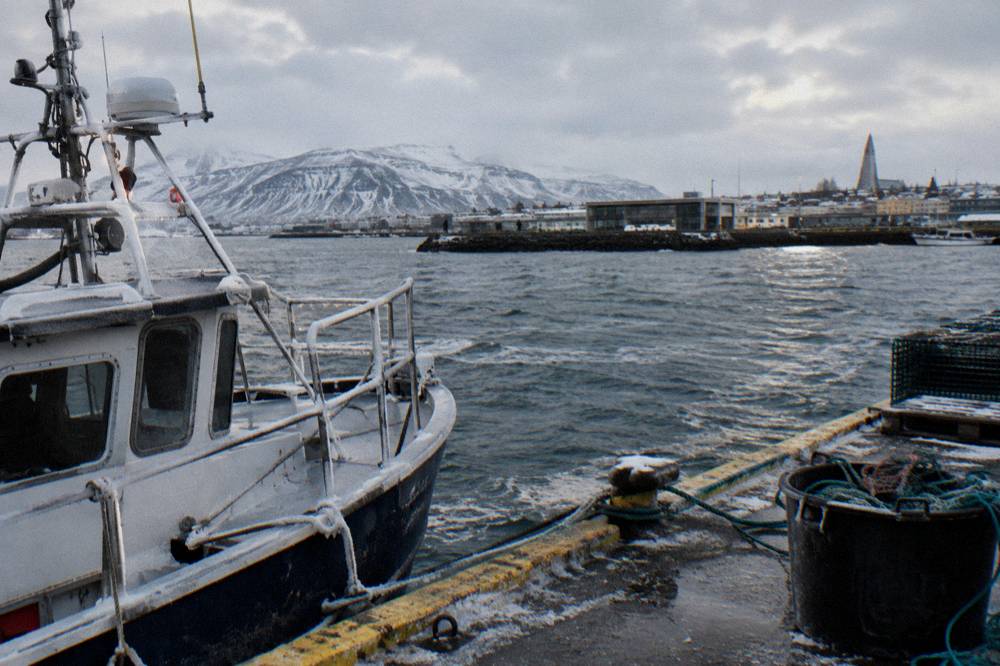
On land, the pattern reverses: walking tours are the weather-proof backbone of a Reykjavik plan. The folklore and ghost walks, from $52.36 and rated 4.8 across 758 reviews for the elves, trolls and ghosts edition, actually improve under dark winter skies, and a guide's route adjusts around the worst gusts without ceremony. Winter's one planning wrinkle is timing: with sunrise near 9:56 on 15 November, morning departures before 10:00 begin in the dark, which changes what you see and photograph. The city's official tourism site maintains a city card page covering museums and pools, useful indoor ballast for storm days.
How Should You Plan Around Reykjavik Weather Each Season?
Plan summer around daylight, winter around its absence, and the shoulder months around flexibility. In June and July, book evening tours and long walks. From November to January, front-load indoor mornings, place walks at midday, and keep aurora evenings loose. In April, May, September and October, layer plans A and B and let the morning forecast choose.
The single most useful habit is building a two-track day. One track is weather-proof: museums, the food halls, pools, a long lunch, a tasting tour. The other is weather-hungry: harbour trips, photography walks, the waterfront stretch. Check the forecast over breakfast, run track B when the sky allows, and drop to track A when it does not. Reykjavik is small enough that switching costs almost nothing, and the city rewards both tracks handsomely. Practical costs are gentle on storm days too: a public pool admission is 1,500 ISK for adults, and children under ten enter free with a guardian.
Aurora planning deserves a specific note because weather, not solar activity, is usually the limiting factor in the city. The season runs mid-August to late April, and clear, dark windows are what you are really hunting, so the aurora status pages for Reykjavik and the Met Office cloud cover maps matter more than any calendar. A windy, wet November night shows you nothing regardless of solar numbers, which is one more argument for keeping boat and lights plans cancellable.
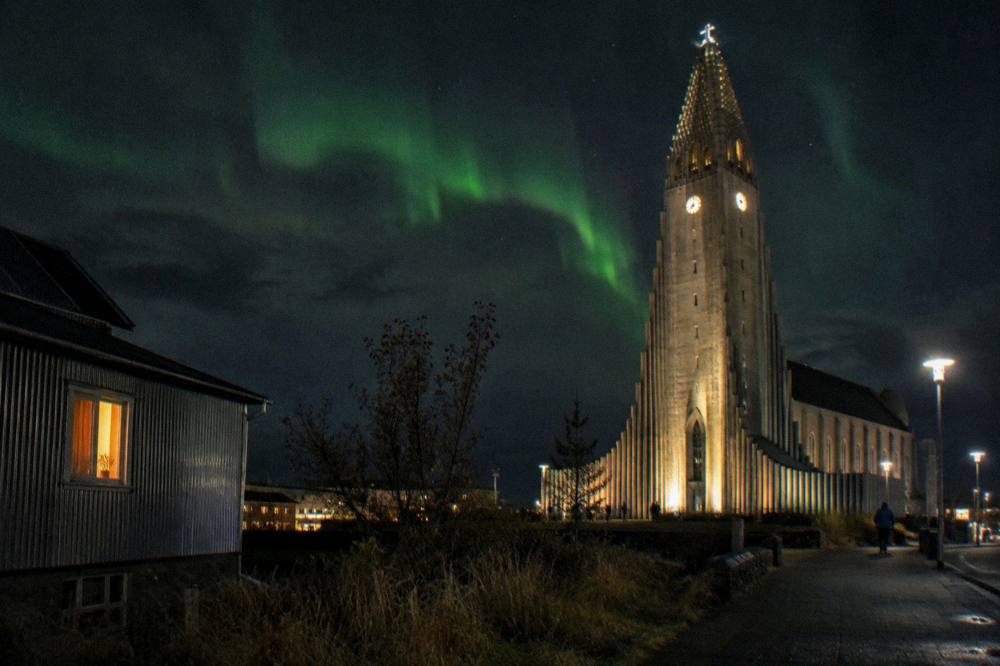
Finally, tie the season to the tour format rather than fighting it. For planning around the forecast, Reykjavik City Tours lists city walks, food tours and boat trips: matching the month you travel to the walks, food stops and harbour trips that suit it, instead of arriving in December with a midnight-sun itinerary. Winter visitors lean on food, folklore and Christmas-themed walks; summer visitors lean on long evening walks, boat trips and the puffin season, roughly May through August. Neither month is wrong, they are simply different cities.
For weather-specific planning, the month-by-month breakdowns in the Reykjavik tours in winter guide and the layover timing advice in the Reykjavik layover and stopover guide pick up where this page stops, and both keep the same honest figures.
Common Questions About Reykjavik Weather
What Is The Weather Like In Reykjavik Month By Month?
Cool summers and mild, wet winters. Confirmed Met Office normals put January at a mean of 0.7°C, February at 0.5°C and December at 0.8°C with about 95 mm of precipitation, and 9 to 15 days per month see at least 1 mm of rain in every season.
How Much Daylight Does Reykjavik Get In Winter?
The 15th of December has about 4 hours 13 minutes of daylight, and the winter solstice gives roughly 4 hours 7 minutes. On 15 November the sun rises at 9:56 and sets at 16:27, so plan sightseeing into the late morning and early afternoon window.
Is Reykjavik Very Cold In Winter?
Not by continental standards. Winter means hover close to freezing, with January averaging 0.7°C, and the wind chill rather than the thermometer is what you feel. A windproof shell and warm layers matter more than an arctic-grade coat.
When Can You See The Northern Lights In Reykjavik?
The aurora season runs from mid-August to late April whenever nights are dark and clear. Weather is usually the limiting factor in the city, so check cloud cover and aurora status pages on the night rather than relying on the calendar alone.
Does Rain Cancel Tours In Reykjavik?
Walking and food tours generally run in rain, with participants in waterproofs. Boat trips pause only when wind passes operator safety thresholds, and rebooking or refunds are standard when a departure is cancelled for weather.
What Is The Best Month To Visit Reykjavik?
June and July for maximum daylight, September and October for aurora odds plus about 10 to 13 hours of daylight with fewer visitors, and December for the darkest, most atmospheric version of the city with Christmas lights and themed walks.