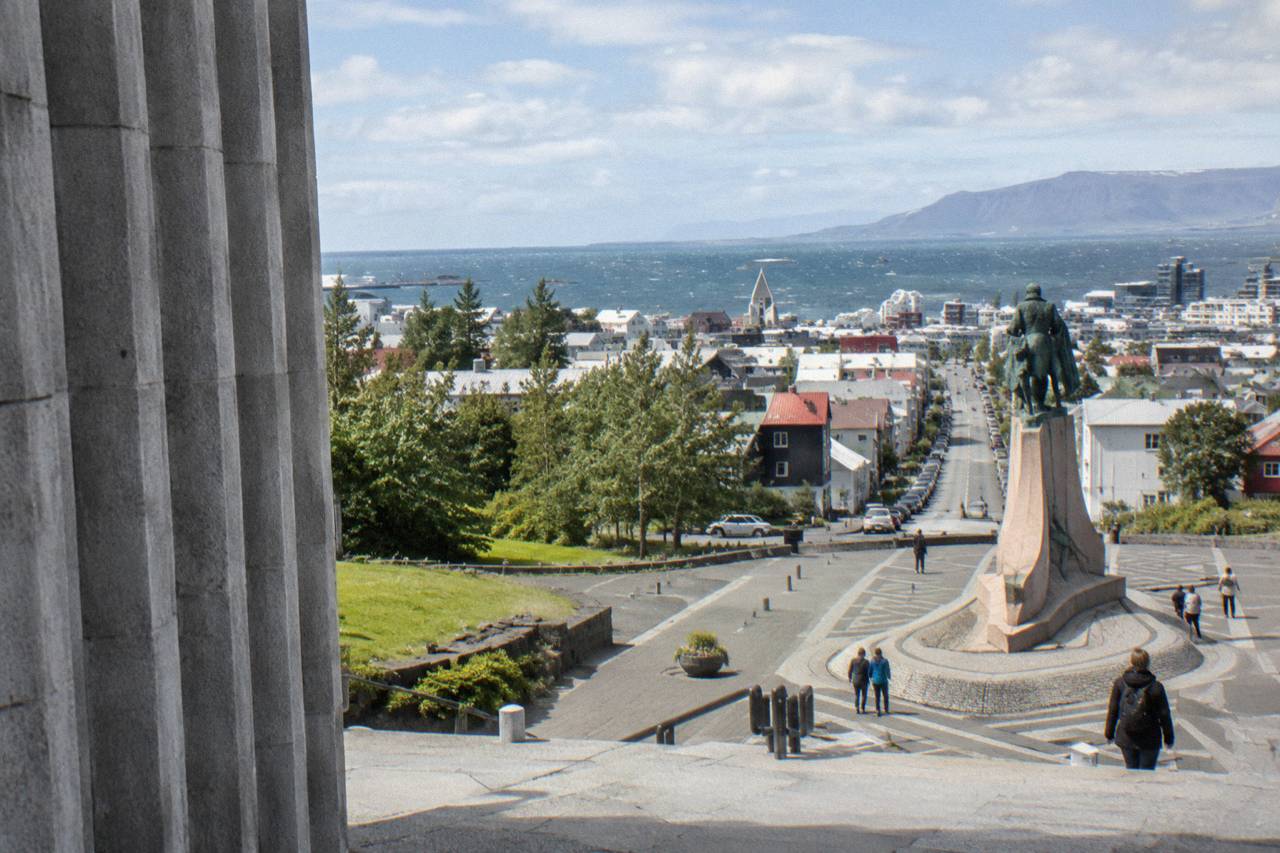
Morning Or Evening: Best Time Of Day For A Reykjavik Walk
Reykjavik's daylight swings from four hours in December to twenty-one in June, so the right time of day for a walking tour depends almost entirely on the season. Here is how each slot of the day actually behaves.
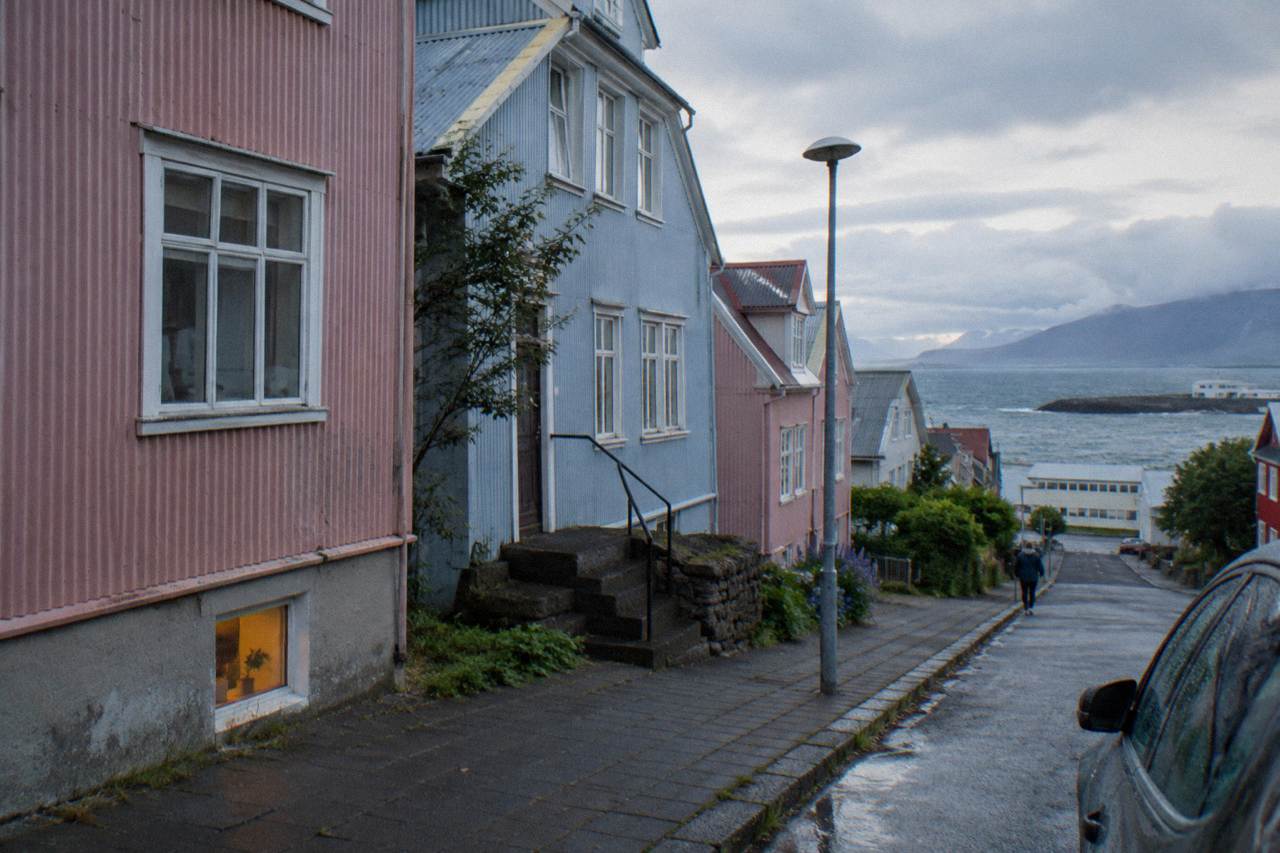
Short answer
The best time of day for a Reykjavik walking tour is mid-morning, around 10:00, when tour departures cluster, shops are opening and crowds are still thin. In winter, daylight shrinks to roughly four hours in December, so midday starts make the most of it; in summer, evenings offer the softest light and smallest groups.
Reykjavik sits far enough north that its daylight swing shapes every walking tour of the city more than any review score or route map. On 31 October 2026 the sun rises at 9:07 and sets at 17:13. On the summer solstice the city gets 21 hours and 8 minutes of daylight. That spread means "the best time of day" is not one answer but four, one per season, and it decides whether you are photographing golden light on the harbor late in the evening or hurrying between stops in the blue half-light of a December afternoon.
The good news is that Reykjavik's tour schedule is built around this. Operators run departures in the mid-morning through the afternoon, with seasonal evening options, and the practical differences between slots, crowds, light, wind and what is open, are predictable once you know the pattern. This guide breaks the day into slots and tells you what each one delivers, using the city's actual sunrise and sunset tables, opening hours at the landmark stops, and the departure windows the tours themselves publish. For a wider view of the year, our month-by-month breakdown pairs well with this: see the Reykjavik weather by month guide.
What Time Of Day Is Best For A Walking Tour In Reykjavik?
Mid-morning, between 10:00 and 11:30, is the strongest slot for a Reykjavik walking tour year-round: tour departures cluster there, the main visitor stops are opening their doors, and the midday wave of cruise passengers and day-trippers has not yet arrived. In deep winter it is also simply when the sun is up, barely four hours in the middle of the day, so the choice makes itself. Most Reykjavik walking routes pass through Hallgrimskirkja, so a quick read of the guide to Hallgrimskirkja's tower, hours and tours will show you how the stop fits into your morning.
Three things make the mid-morning slot reliable. First, scheduling: the classic city walking tours, including the two-hour small-group walk rated 4.9 across 5,260 reviews from $50.08 per person, anchor their days to the start time shown on the listing, because that is when the Hallgrimskirkja church shop opens at 10:00 and the Settlement Exhibition begins its 10:00 to 17:00 day. A tour that starts at 10:30 hits landmarks that are actually open.
Second, crowds. Downtown Reykjavik's pedestrian spine, Laugavegur and its side streets, fills through the late morning and peaks around midday, especially on days when cruise ships are in port. Guides consistently work hardest in that window; a departure an hour earlier walks the same streets with a fraction of the foot traffic.
Third, energy. A two-and-a-half-hour walk in a coastal wind costs more than the distance suggests. Starting fresh, before a day of museums or a Golden Circle drive, is the difference between enjoying the last stop and enduring it. If you are combining the city with a day trip, our combining a city tour with the Golden Circle guide explains how to sequence them without burning out.
Is Morning Or Afternoon Better For Reykjavik Walking Tours?
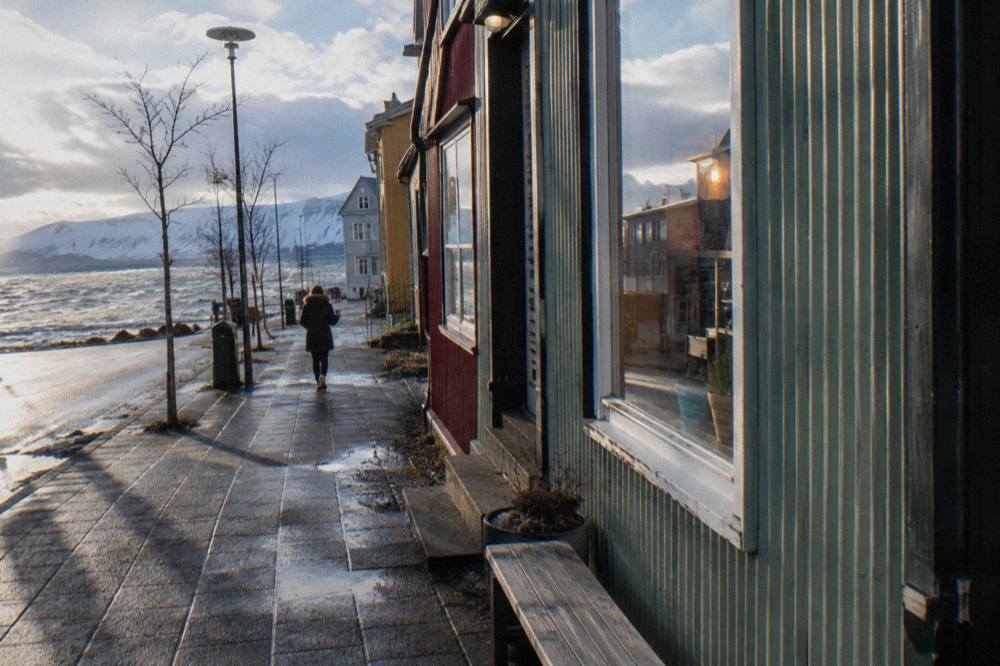
Mornings are better for first visits and photography: the light is low and warm on the north-facing harbor and the old town, streets are quieter, and full tour schedules are available. Afternoons suit second visits, winter tours squeezed into the daylight window, and travelers who want a tour to end near dinner or a food stop. In summer, the evening slots beat both.
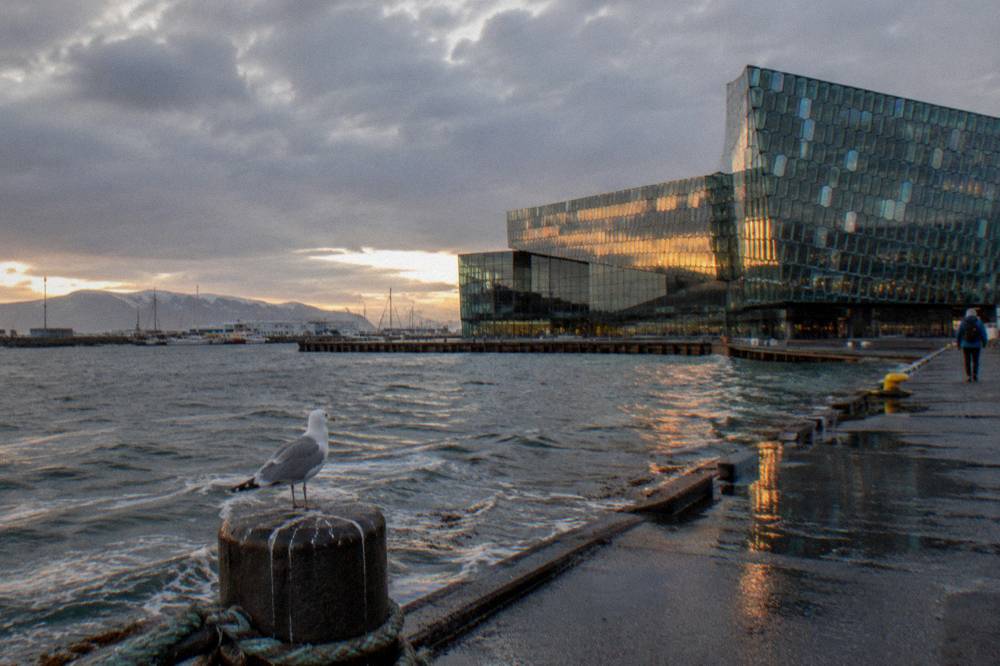
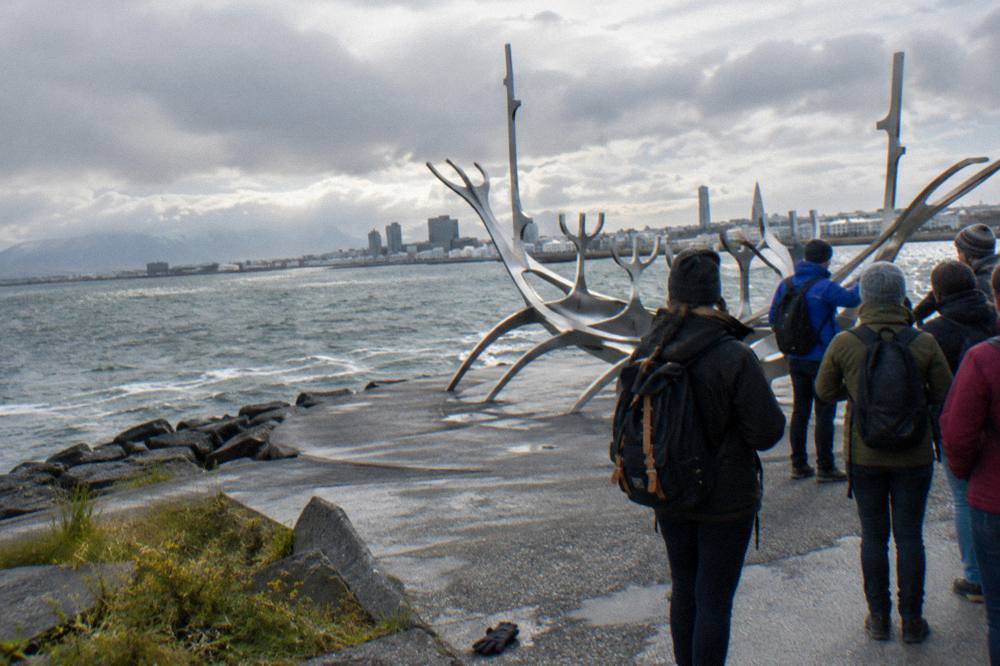
The photography argument is real, not a nicety. Reykjavik's harbor and the Harpa concert hall face north across the water, so the glass facade sits in soft, indirect light through the middle of the day. The Sun Voyager sculpture, one of the most-photographed stops on any city walk, is best either early or late in the day when the metal catches color rather than glare. If camera work is the point of your walk, our Reykjavik photography walking tour guide goes deeper on angles and hours.
The practical argument is about tour supply. Departures thin after about 15:00 in the off-season, and the last tower entry at Hallgrimskirkja is 16:45 in winter, with the church closing at 17:00. A tour that finishes at 16:30 leaves no margin for the tower queue at the church shop, where tickets are sold on site only, with no advance booking.
Here is how the two slots compare across the things that actually change:
| Factor | Morning (10:00 to 12:00) | Afternoon (13:00 to 16:00) |
|---|---|---|
| Tour departures | Most options, all tour types | Fewer, mostly walks and food tours |
| Street crowds | Light to moderate | Peak, especially cruise days |
| Light on harbor and Harpa | Low, warm, favorable | Backlit or flat |
| Hallgrimskirkja tower | Open, short queue | Open until 16:45 last entry |
| Wind | Often calmer before midday | Often builds through afternoon |
| Ends near dinner | No | Yes, especially food tours |
Wind deserves its own sentence: Reykjavik is a coastal city where the wind regularly strengthens in the afternoon, and a sheltered morning walk can become a battering one two hours later. The what to wear on a Reykjavik walking tour guide covers the layers that make either slot survivable.
How Does Daylight Change The Best Tour Time In Reykjavik?
Reykjavik's daylength runs from about 4 hours 7 minutes on 21 December to 21 hours 8 minutes on 21 June, so the best tour time tracks the sun almost exactly in winter and matters hardly at all in summer. On 1 November the sun rises at 9:10 and sets at 17:10; by 15 November it is 9:56 to 16:27, and tours compress into the middle of the day.
The mid-month daylength table below shows how sharply the shoulder months move. Use it to pick a departure: in any month where the day is under about eight hours, book the tour inside the 10:00 to 15:00 window and treat everything outside it as night. From April through August, darkness stops being a constraint and the choice becomes about crowds and light quality instead.
| Month (15th) | Daylight in Reykjavik | Practical tour window |
|---|---|---|
| January | 5 h 25 m | 10:30 to 15:00 |
| February | 8 h 38 m | 10:00 to 16:00 |
| March | 11 h 42 m | 09:30 to 17:00 |
| April | 15 h 05 m | Any daylight hour |
| May | 18 h 24 m | Any hour, evening light superb |
| June | 21 h 02 m | Around the clock |
| July | 19 h 43 m | Any hour, late light golden |
| September | 13 h 03 m | 09:00 to 18:00 |
| November | 6 h 31 m | 10:30 to 15:30 |
| December | 4 h 13 m | 11:00 to 15:00 |
The sunrise and sunset figures come from the astronomical tables for Reykjavik published at timeanddate.com, which is the source travelers should check for their exact dates, since the day shortens by several minutes daily in October and November. Two cautions come with winter light. It is beautiful, long and blue, but it is also weak: afternoon tours in December end in the dark, and ice underfoot is a genuine factor once winter tyres become mandatory on Icelandic roads from 1 November. The Reykjavik tours in winter guide covers boots, spikes and what changes operationally.

When Are Reykjavik Streets Most Crowded?
Midday, roughly 11:30 to 14:30, is when downtown Reykjavik is busiest, driven by cruise ship arrivals, tour-bus turnover and lunchtime locals; early morning before 10:00 and evenings after 19:00 are the quietest walking windows, and in summer the late evening is nearly empty while the light is still perfect.
Cruise traffic is the biggest single variable. On days when ships are in port, the streets between the Old Harbour and Laugavegur fill with organized groups from late morning; the difference between a port day and a no-ship day is visible within minutes. If you are arriving by sea yourself, the Reykjavik tours from the cruise port guide explains how to time a walk around your ship's schedule rather than the city's rhythm.
The counterintuitive move in summer is to go late. Because the sun barely sets in June, a late-evening walk happens in full, golden light on streets that have emptied of day visitors. Tour supply in that slot is thinner, but it exists: the ghost walk format runs about 90 minutes from $62 per person, and evening food-and-drink walks finish near bars that are just warming up. The Reykjavik evening and night tours guide lists what runs after dark across the year.
In winter the crowd question almost disappears. December's four-hour day means everyone, locals and visitors alike, compresses into the same midday window, and a 10:30 tour will feel busy while a 14:00 one walks half-empty streets in fading light. Pick your poison: company and daylight, or solitude and dusk.
Are Evening Walking Tours In Reykjavik Worth It?
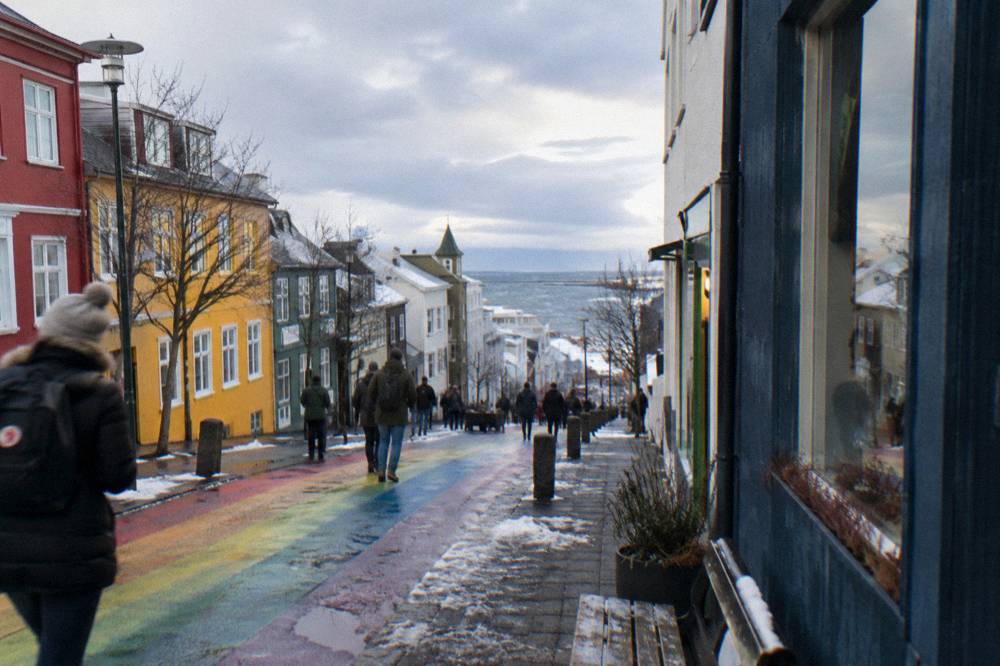
Yes, in summer and the shoulder months: evening tours run in full daylight until late, the streets are calmer, and themed walks such as ghost and folklore tours gain atmosphere from the hour. The foodie walking tour, rated 4.9 across 2,124 reviews from $147 per person for about three hours with six tastings, is arguably better in the evening because dinner is the tour.
Evening formats split into two kinds. The first is the functional one: a standard city walk at a late hour, which in June means operating in brilliant light well into the night. The second is the atmospheric one: ghost walks, folklore walks and pub-focused tours that use darkness as part of the product. The folklore walks are a genuine Reykjavik specialty, and the most-reviewed version is rated 4.8 across 758 reviews from $52.36 per person for about 90 minutes. Our folklore and saga walking tours guide compares them properly.
The caveat is seasonal. From November through January, "evening" means deep night from about 17:00 onward, and while ghost walks still run and aurora season runs mid-August to late April, a general sightseeing walk after sunset shows you lit streets and little else. Save the general-history walk for the daylight window and spend the dark hours on something that profits from it: ghosts, beer, or a northern-lights hunt outside the city.
What Opening Hours Limit Your Tour Timing In Reykjavik?
The tightest clock on a Reykjavik walking tour is Hallgrimskirkja: its tower is open 10:00 to 17:00 in winter with last entry at 16:45, tickets are sold only at the church shop, and the building closes for services, so morning tours fit it comfortably and late-afternoon ones often miss it. The Settlement Exhibition runs 10:00 to 17:00 daily, and Saga Museum opens 10:00 to 17:00 as well.
This is why departure times cluster where they do. A tour that starts at 10:00 or 10:30 reaches the church while the tower queue is short and the day is still ahead of the closure list; the church posts daily closures for mass and concerts, with a typical Wednesday morning block for a 9:45 service. A tour that starts at 15:00 will see the exterior and the nave but will likely miss the tower, which for many visitors is the single best view over the multicolored roofs.
The pool clock matters too, if a geothermal soak is on your after-tour plan. Public pools in Reykjavik charge 1,500 ISK for a single adult admission, and the Reykjavik City Card, 6,100 ISK for 24 hours, covers pool entry, 17 museums and unlimited capital-area buses, per the official Visit Reykjavik City Card page. A morning tour ending around 13:00 hands you a clean afternoon for a pool; a 15:00 tour in winter does not, because darkness and closing times eat the margin. The full math on the card is in our is the Reykjavik City Card worth it guide.
| Stop | Hours | Timing constraint for walkers |
|---|---|---|
| Hallgrimskirkja tower | 10:00 to 17:00, last entry 16:45 | Tickets on site only; closes for services |
| Settlement Exhibition | 10:00 to 17:00 daily | Open daily 10:00 to 17:00 |
| Saga Museum | 10:00 to 17:00 | Grandi district, pairs with harbour walks |
| Public pools | Vary by site; card covers entry | Evenings available at most sites |
| Laugavegur shops | Typically 10:00 to 18:00 | Sunday openings later and shorter |
Church hours above follow the official Hallgrimskirkja opening times page; holiday hours vary, and the tower ticket price is best checked at the church shop or on the church site when you go.
Should You Book A Morning Or Late Tour With Kids?
Mornings win with children: the 10:00 to 11:30 departures land after breakfast, finish before the post-lunch slump, and pair with playground or pool time in the afternoon. In summer, though, the late-evening light lets families with older children take a walk well after dinner in full daylight, which feels like a bonus activity rather than a schedule item.
The mechanics favor short formats with kids. The 60-minute express walk with a local, from $89 per person, exists precisely for travelers with narrow attention budgets, and the two-hour small-group walk from $50.08 per person is the comfortable standard for ages that can manage a moderate city pace. Our Reykjavik tours for kids and families guide ranks the options by age.
Weather tolerance is the hidden factor. Children feel wind chill faster than adults, and Reykjavik's afternoon winds are a real phenomenon; a morning slot is not just about crowds but about the window when the air is calmest. In winter, keep any child-centered tour inside the 11:00 to 14:00 daylight core and make the hot chocolate stop the endpoint rather than the middle. One family-friendly wildcard: the feline-focused walking tour, rated 4.9 across 128 reviews from $71 per person for about two hours, turns the city's famous cat population into the storyline, an easier sell to a seven-year-old than architectural history.
How Do Cruise Passengers Choose A Walking Tour Time?
Cruise passengers should walk early or not at all: disembarkation and shuttle transfer typically put you downtown mid-morning, so an 11:00 or 11:30 departure catches the city before the port-day peak, and anything after 14:00 risks colliding with all-aboard times. If your ship sails at 16:00 or earlier, book the earliest slot you can physically reach.
The port-day effect cuts both ways. On the one hand, you are part of the crowd that fills Laugavegur at midday. On the other, you can out-flank it: most passengers drift toward the nearest coffee shops on arrival, so a tour departing 30 to 60 minutes after typical shuttle arrival walks ahead of the wave. The full logistics, transfer options and walkability from the port are covered in our cruise port guide.
Check your all-aboard time against the winter daylight table above before booking. A three-hour food tour that ends at 15:30 is comfortable against a 17:00 sailing and impossible against a 16:00 one, and tour operators are generally firm about start times because they run multiple departures. If the math is tight, the one-hour express walk is the safe shape: short, central, and easy to fit between shuttle runs.
What Is The Best Walking Tour Time In Each Season?
Spring and autumn favor 10:30 departures as a compromise between daylight and warmth; summer favors evening walks for light and morning walks for quiet; winter compresses everything into 11:00 to 14:00. The single most reliable year-round answer remains mid-morning, because it is the only slot that works in every month without checking a sunrise table.
Season by season, the logic shifts. In March and April the day lengthens fast, from about 11 hours 42 minutes to 15 hours across those weeks, and mornings are still cold near freezing; a 10:30 start lets the air warm a little while keeping the whole afternoon free. From May through July the constraint inverts: darkness disappears, and the choice is purely between quiet streets (early) and golden light (late), with the late evening a genuinely magical slot that most visitors never use. September is arguably the city's most balanced walking month, 13 hours of daylight, cooling air, thinning crowds. From November to February, book inside the solar window and let the season dictate the plan; the Reykjavik tours in winter guide has the details. Once you've settled on your hour, the guide to what not to miss in Reykjavik maps out the harbourside stops and small details first-timers most often regret skipping.
Wind and rain, not temperature, are what actually ruin walks here, and they vary by day more than by hour. The city sees 9 to 15 days per month with a millimeter or more of rain, so a flexible booking matters more than a perfect slot; free-cancellation terms on most city tours let you shift a departure when a front rolls in, and the Reykjavik tours in the rain guide covers the wet-day playbook. A reasonable rule: book mid-morning by default, check the forecast 48 hours out, and move to the adjacent slot if the wind map says so.
For a compact morning introduction, the two-hour small-group walk rated 4.9 across 5,260 reviews, from $50.08 per person, pairs naturally with an afternoon museum or pool, and its listing shows the day's departure times before you commit. Checking Reykjavik City Tours for a slot that matches your season is the simplest way to lock the timing down before you fly.
Which Reykjavik Walking Tours Run At Which Times?
Most standard city walks depart late morning and early afternoon; food tours cluster around midday and early evening so tastings land as meals; ghost and folklore walks run late afternoon and evening; and the one-hour express walk offers the widest spread of slots, which makes it the fallback when your window is narrow. Always confirm the day's departure times on the booking page, since they shift seasonally.
The table below maps the main formats to their natural slots using the tour information available. Durations and prices are per person as listed; review counts are shown so you can judge the evidence behind each rating, and a five-star score over a handful of reviews deserves a different read than one over thousands.
| Tour format | Typical slot | Length | Price from | Rating and reviews |
|---|---|---|---|---|
| Small-group city walk | Late morning, daily | ~2 hours | $50.08 | 4.9 across 5,260 reviews |
| Viking-guide sightseeing walk | Morning and afternoon | ~2 hours | $52 | 4.7 across 497 reviews |
| Express walk with a local | Multiple slots daily | ~1 to 1.5 hours | $89 | 1 review, too few to rate |
| Foodie walk, six tastings | Midday and early evening | ~3 hours | $147 | 4.9 across 2,124 reviews |
| Folklore walk, elves and ghosts | Afternoon and evening | ~1.5 hours | $52.36 | 4.8 across 758 reviews |
| Midnight sun ghost walk | Late evening, summer | ~1.5 hours | $62 | 9 reviews, too few to rate |
Two practical notes on that spread. The viking-guided sightseeing walk, from $52 per person, is a strong afternoon pick because its storytelling format survives flat light, whereas a photography-oriented walk really does not. And the foodie walk's early-evening departure is the one slot where a tour usefully replaces dinner rather than delaying it; six tastings across three hours is a meal with a route attached.
Common Questions About The Best Time Of Day For A Reykjavik Walking Tour
What Time Of Day Is Best For A Walking Tour In Reykjavik?
Mid-morning, around 10:00 to 11:30, is the best slot in every season: departures cluster there, landmark stops open at 10:00, and the midday crowds have not built. In deep winter, roughly 11:00 to 14:00 is the whole daylight window, so any tour inside it works.
Is Morning Or Afternoon Better For Reykjavik Walking Tours?
Mornings are better for first visits: quieter streets, better harbor light and full tour schedules. Afternoons suit second visits, food tours ending near dinner, and winter walks squeezed into the daylight window. Summer evenings beat both for light.
How Much Daylight Does Reykjavik Get In Winter?
About 4 hours 7 minutes on the shortest day, 21 December. On 1 November the sun rises at 9:10 and sets at 17:10; by mid-November it is roughly 9:56 to 16:27. Book winter tours between 10:30 and 15:00 to stay in daylight.
When Are Reykjavik Streets Most Crowded?
Midday, about 11:30 to 14:30, especially on cruise ship days. Early mornings and evenings after 19:00 are the quietest windows, and in summer the late evening is nearly empty while still fully light.
Are Evening Walking Tours In Reykjavik Worth It?
In summer and autumn, yes: they run in daylight, streets are calm, and ghost, folklore and food formats gain from the hour. In the darkest winter months, choose themed evening tours over general sightseeing walks, since standard routes show little after sunset.
Do Opening Hours Affect Walking Tour Timing In Reykjavik?
Yes. Hallgrimskirkja tower closes at 17:00 with last entry 16:45 and sells tickets only on site, and the Settlement Exhibition and Saga Museum run 10:00 to 17:00. Morning tours fit all of these; late-afternoon tours often miss the tower.