Is Downtown Reykjavik Worth Visiting?
A direct answer on whether downtown Reykjavik justifies your time, what a day there costs, and when a guided walk is worth adding.
Yes, for almost every visitor downtown Reykjavik is worth at least one unhurried day, and for most it is worth two. The centre is compact enough to cross on foot in under half an hour, holds nearly everything the capital is known for, from Hallgrímskirkja to the Old Harbour, and pairs easily with a food stop or a boat trip. The honest caveat is price: Iceland's costs hit hardest in the city centre, so the value depends on planning.
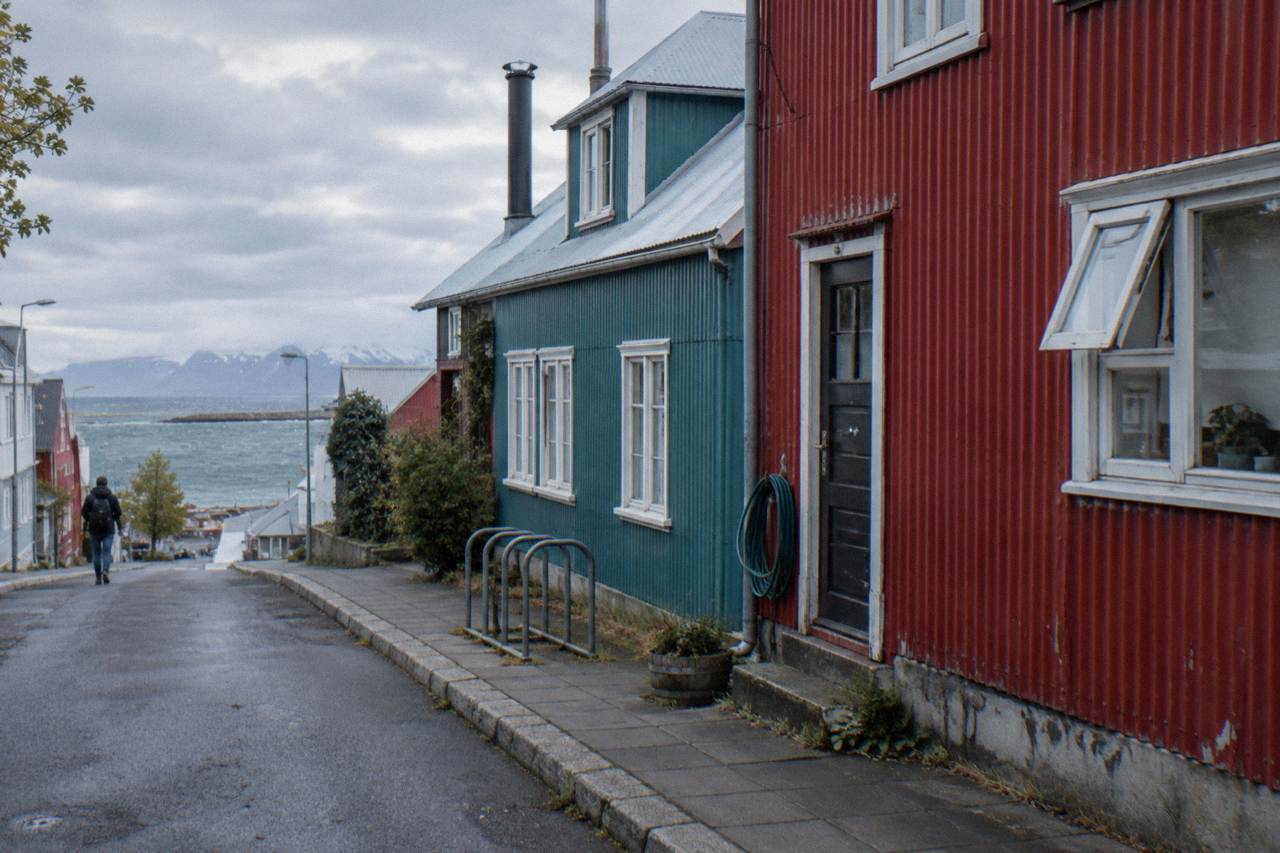
A guided walk stretches a short list of sights into a story, and for a city whose buildings are modest and whose history is anything but, that conversion matters more than it would in a capital full of palaces. But that is the short verdict. The longer answer depends on what you expect from a capital city. Reykjavik is not Paris or Prague; there is no grand palace district and no maze of medieval lanes. What there is, instead, is a tight grid of corrugated iron houses painted in dozens of colours, a harbour where whale watching boats leave on schedule, a food scene punching far above the city's size, and a walkability that makes a car pointless for days at a time.
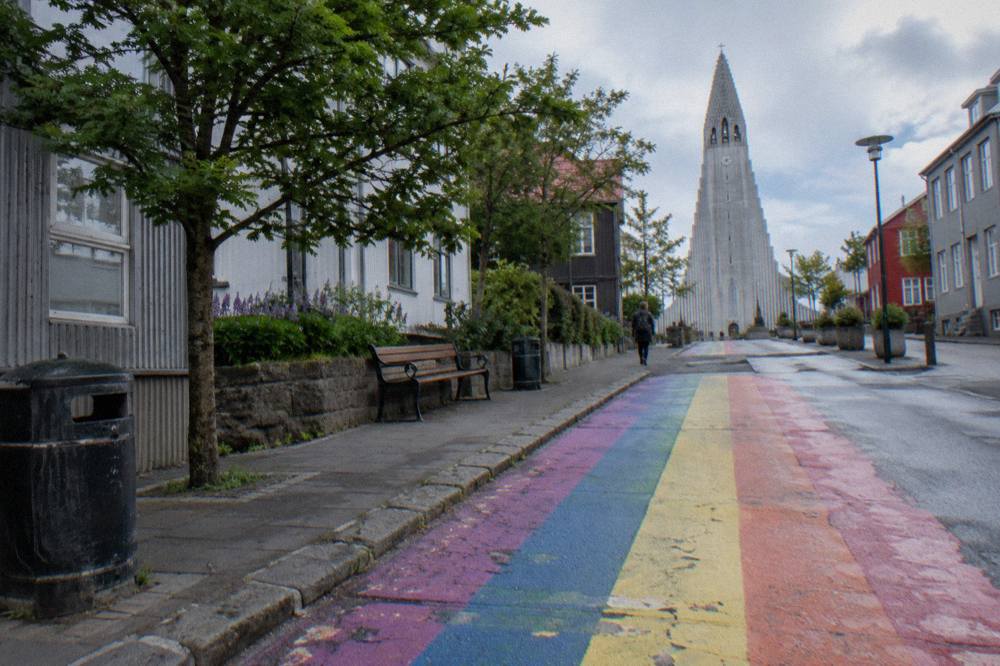
For travellers arriving on a cruise stop or squeezing Reykjavik between Golden Circle days, the centre is effectively the whole city experience. The Painted Rainbow Street at Skólavörðustígur, the lake at Tjörnin with its birdlife, the Harpa concert hall's glass facade on the waterfront, and the houses of the old town sit within a loop you can walk comfortably in a few hours. The question is rarely whether you can fill the time. It is whether the time feels worth the money.
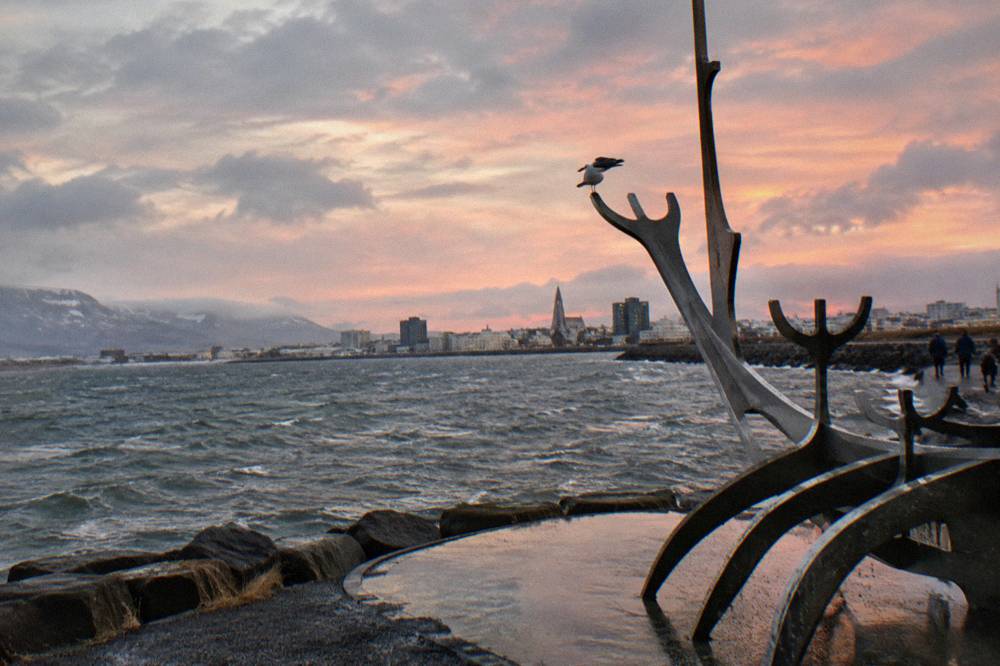
That is where a guide changes the arithmetic. The small group walking tour of the city centre runs about two hours, is rated 4.9 across 5,260 reviews, and costs from $50.08 per person, which is less than a single main course at many downtown restaurants. For that you get context: why the houses are corrugated iron, why the street names switch between Icelandic and Danish, what the Sun Voyager sculpture actually commemorates. A centre this small reads as sparse without the stories and dense with them.
What Can You Actually See Downtown?
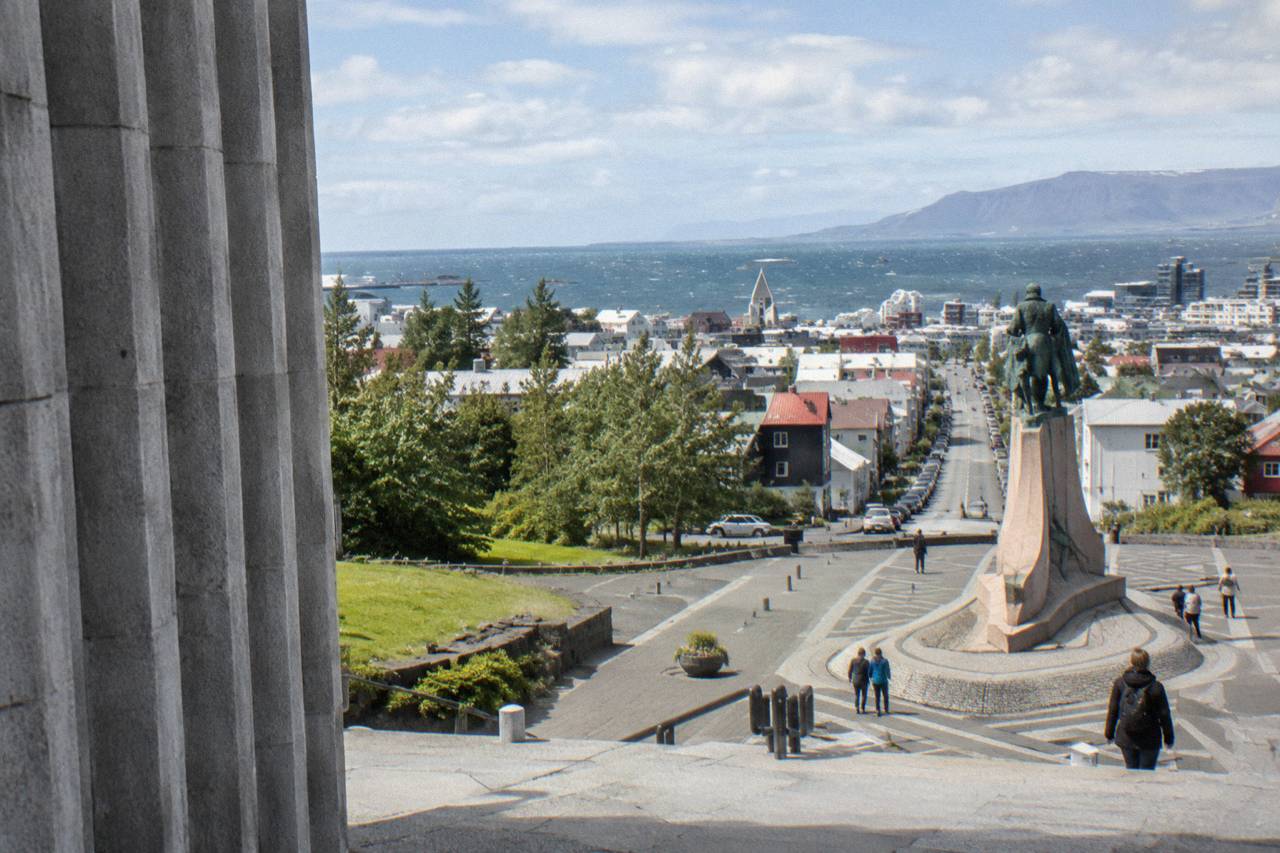
The walkable core holds Hallgrímskirkja, the Old Harbour, Harpa, Tjörnin lake, Laugavegur's shops and the oldest houses in the country, all inside roughly a 30 minute walking radius, and almost none of it charges admission to appreciate from outside. That free-to-wander quality matters in a country where excursion prices climb fast. Add the food halls at Hlemmur Mathöll and Grandi Mathöll and you have a full day without ever leaving the grid.
Hallgrímskirkja is the natural starting point, its expressionist basalt-column tower visible from most of the centre. The nave is generally open during winter hours from 10:00 to 17:00, with tower access until about 16:45, though access is restricted during services and events. Tower tickets are sold only at the church shop, with no advance booking, so check the church's own site before you go if the view is the point of your visit. From the church steps, Skólavörðustígur runs downhill to the rainbow-painted pavement, a colorful stretch running through downtown Reykjavik.
Downhill from there is Tjörnin, the small lake edged by City Hall and fringed with whooper swans and gulls year-round. Around the far corner, Harpa's honeycomb glass walls face the harbour, and the building's public spaces are free to wander. The Old Harbour, a 15 minute walk along the water, is where whale watching and puffin boats depart; the classic whale watching trip from the operators' own booking pages runs about three hours year-round, and the boat-based puffin season runs roughly from May to August, so check departure listings for what is running when you visit.
The practical case for a guide here is that the centre's landmarks are scattered but small. A two hour walk with a local stitches them into a route, and the operators that run them have the reviews to show it. Beyond the small group tour above, the guided city walking tour covers about 144 minutes for from $52 and holds a 5 rating across 106 reviews, while the sightseeing walking tour with a Viking guide takes a Viking storytelling angle, rated 4.7 across 497 reviews from $52. If the doubt about downtown is that it looks thin on a map, these are the products built to fix exactly that.
If you want a fuller breakdown of what each format offers, the Reykjavik walking tour guide compares routes, group sizes and prices across the whole category.
How Much Does A Day Downtown Cost?
A bare-bones self-guided day can run near zero in admission fees, since the best views and public spaces cost nothing, while a typical visitor day with one paid tour, a museum and meals lands on the pricey side for most visitors. The spread is wide because Reykjavik rewards both extremes: a picnic by Tjörnin costs the price of supermarket bread, and a food tour plus harbour cruise plus museum day costs real money. Planning, not the city itself, decides where you land on that line.
The fixed, published prices give the honest middle ground. The Reykjavík City Card bundles 17 museums, eight geothermal pools, unlimited capital-area buses and the Viðey ferry: 6,100 ISK for 24 hours, 8,500 ISK for 48 hours and 10,500 ISK for 72 hours, with children under 18 free at museums alongside an adult card, as listed on the official Visit Reykjavík card page. A single adult pool admission is 1,500 ISK, per the city's own fee schedule, and a single Straetó bus fare is 690 ISK with contactless payment, per the transit operator's pricing page.
| Item | Typical cost | Notes |
|---|---|---|
| City Card, 24 hours | 6,100 ISK | Museums, pools, buses, Viðey ferry |
| City Card, 48 hours | 8,500 ISK | Same inclusions, longer window |
| Public pool, adult single | 1,500 ISK | Children under 10 free with a guardian |
| Straetó bus, adult single | 690 ISK | Contactless accepted; children 11 and under free |
| Saga Museum, adult | 4,000 ISK | Grandi district, wax-figure saga scenes |
| Small group walking tour | from $50.08 per person | About 2 hours, rated 4.9 across 5,260 reviews |
| Food tour with 6+ tastings | from $149 per person | About 3 hours, rated 4.8 across 23 reviews |
Meals are where budgets wobble. The famous hot dog stand near the harbour has sold pylsa since 1937 and a single hot dog still costs around 920 ISK, one of the few genuinely cheap eats left downtown. Food halls soften the rest: Hlemmur Mathöll, the converted bus terminal on Laugavegur, opens daily around 11:00 into the late evening, and Grandi Mathöll in the harbour district runs 11:00 to 21:00, both with communal seating and prices below most sit-down restaurants. Between them you can eat well from three or four different cuisines in one sitting without a reservation anywhere.
A food tour is the efficient way to convert the food budget into sightseeing. The guided foodie walk with six tastings runs about three hours from $147 and is rated 4.9 across 2,124 reviews, the most reviewed eating walk available, while the Icelandic classics version with six or more tastings starts from $149. Both fold a meal and a neighbourhood tour into one booking, which makes them a practical way for first-time visitors to get an introduction to Icelandic food. The guide's commentary on what you are eating, from Icelandic classics to street food, is what the tour is built around.
What Does Downtown Feel Like In Bad Weather?
In bad weather, downtown feels smaller, but it never quite closes. The centre shrinks: life pulls in on itself, the streets quieten, and the whole place contracts to a denser, more weatherproof core, yet it keeps functioning all the same, and that stubborn refusal to shut down is the single strongest argument in its favour. Reykjavik averages rain on 9 to 15 days a month year-round, winter mean temperatures hover near 0.5 to 0.8 °C, and daylight in late December shrinks to about four hours. Downtown is unusually well built for all of this, because most of its highlights are either indoors already or a short dash between doorways, and the geothermal pool culture treats cold rain as a reason to go outside rather than a reason to stay in.
The indoor circuit is real. The Saga Museum at Grandagarður 2 walks you through wax-figure scenes of Icelandic history with an audio guide in about an hour, open daily 10:00 to 17:00. Harpa's foyer, the Settlement Exhibition, the food halls and a dozen small galleries fill a wet afternoon without a coat. The pool culture handles the rest: a 1,500 ISK admission and a geothermal soak turns sleet into a minor detail. For a deeper look at rainy-day tactics, the guide to Reykjavik tours in the rain covers what still runs and what cancels.
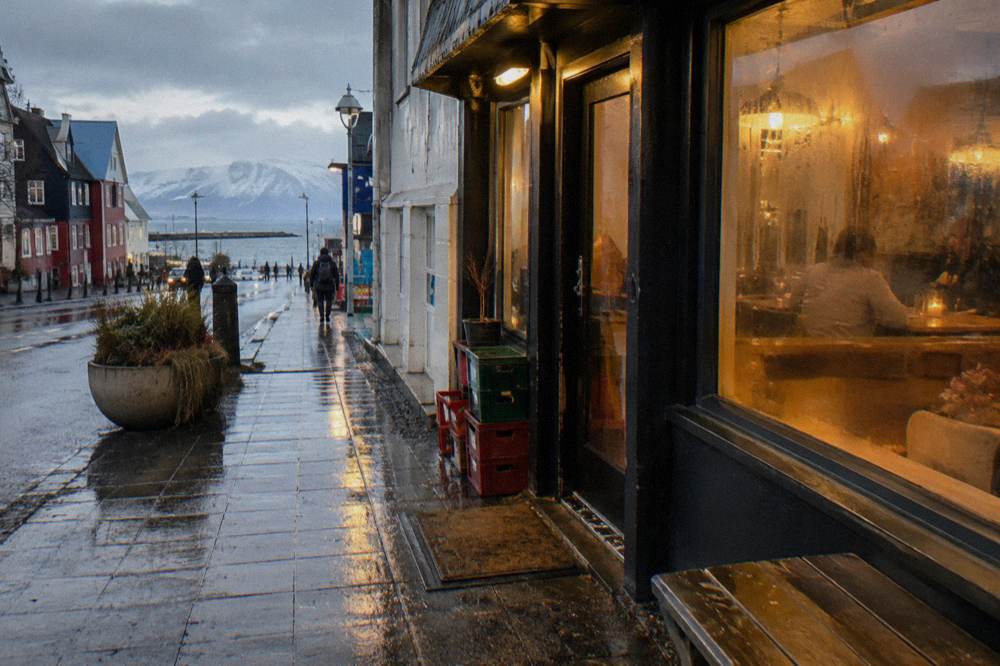
Guided walks mostly run in weather, since rain gear and storytelling are both waterproof, but winter daylight compresses the schedule. In November the sun rises after 09:00 and sets before 17:00; morning tours at 10:30 and early afternoon departures fit the light. The winter season also brings its own draw: the aurora window runs from mid-August to late April whenever skies are dark and clear, and evening harbour cruises chase it from the Old Harbour through the winter months. No operator promises a sighting, but the season itself is a fact of the calendar, and plenty of visitors pair a daytime walk with a night boat on the same ticket budget.
What Does A Guided Walk Add To Downtown?
A guide converts a two-hour stroll into the difference between seeing Reykjavik and understanding it, and the review pools bear this out at a scale few cities can match. The centre's buildings are modest by European standards, its history is layered, and its best stories, about elves, volcanic eruptions, bankruptcies and midnight sun politics, do not present themselves on plaques. A good guide points out exactly the details most visitors would walk straight past on their own. Once you know what to look for, our guide to what not to miss in Reykjavik lists the streets, harbourside stops and small details first-timers most regret skipping, with tours that bundle them into a single walk.
The evidence is in the review counts. The small group walk by CityWalk carries 5,260 reviews at 4.9, the deepest pool of feedback of any city tour. The guided city walking tour holds a 5.0 across 106 reviews. The folklore walk meeting the elves, trolls and ghosts of Iceland, rated 4.8 across 758 reviews from $52.36, exists purely because demand for the strange side of the city outstrips what a map can tell you. These are not marketing claims; they are thousands of guests describing the same outcome, that the city looked different after two hours with someone who could explain it.
For visitors doubting the centre, the guided walk is the single spend that pays back the most. Two hours and the price of a main course buys the context that makes the rest of the day, and the rest of the country, legible. That is the pitch Reykjavik City Tours rests on, and the review counts back it up.
When Is Downtown At Its Best?
Downtown is at its best from late May through early September, when daylight stretches past 15 hours and every operator runs full schedules. February is the other standout choice, rewarding visitors with festivals, aurora and quieter streets than in the busy summer season. Summer peaks near 21 hours of daylight on the June solstice, with the famous midnight sun glowing well past bedtime and every harbour boat, food tour and walking route running daily. Winter trades light for aurora, snow-dusted streets and lower hotel rates, and the centre stays fully open through the darkest weeks.
Autumn is the quiet value window. October still gives about ten hours of daylight, the harbour boats run daily, and the food halls are in full swing after the harvest season. The Winter Lights Festival lands 4 to 7 February 2027 with installations across the centre, and the Iceland Noir literature festival and Reykjavik Dance Festival fill mid-November 2026. One planning note: Straetó, the capital's bus operator, plans reduced service on some routes from 1 December 2026, so anyone using public buses to reach the centre in deep winter should check schedules close to travel.
| Season | Daylight on the 15th | Best for | Trade-off |
|---|---|---|---|
| Late June | About 21 hours | Midnight sun, full schedules | Peak prices, most visitors |
| September | About 13 hours | Aurora start, thinner crowds | Weather turns quickly |
| November | About 6 hours 31 minutes | Festivals, aurora, low rates | Short days, rain likely |
| February | About 8 hours 38 minutes | Winter Lights Festival | Cold, unpredictable roads |
Cruise passengers face the tightest version of the question. If your ship docks for a half day, the centre is the only sensible target: it is walkable from the cruise port area or a short shuttle away, and a two hour guided walk plus harbour time is a complete stopover. Anyone planning a longer pause between flights can work through the timing options in the site's layover and stopover guide at length.
The Honest Case Against Downtown
The honest case against downtown is real but narrow: it is expensive, it is small, and if your heart is set on glaciers, waterfalls and lava fields, the city centre will feel like a warm-up act rather than the main event. In short, choose downtown for the city itself, not for the landscapes you probably came to see. Visitors who arrive straight from a Golden Circle day sometimes report that downtown feels modest, and they are not wrong. Reykjavik's population is modest. The city's argument is density of experience, not monumentality, and density only reveals itself if you give it more than a drive-by.
Budget travellers can also find the centre punishing. A casual lunch for two can cost more than a guided walking tour for two, and alcohol is heavily taxed on top of that. The counter-strategy is straightforward: free public spaces, the 1,500 ISK pool, hot dogs and food halls, and the City Card if museums are on your list. Visitors curious about the whole cost picture can read the breakdown in is Reykjavik very expensive.
The final verdict lands where it started. Downtown Reykjavik is worth visiting for the same reason small cities like it are worth visiting anywhere: it is the place where the country explains itself, in buildings, food, water and stories, before you head out into the landscape that actually starred in the brochures. Spend the full day. Take the walk.
Common Questions About Downtown Reykjavik
Is Downtown Reykjavik Worth Visiting?
Yes, for most visitors. The centre is compact, walkable and holds nearly all of the capital's main sights plus a strong food scene. A guided walking tour of about two hours from $50.08 per person, rated 4.9 across 5,260 reviews, is the most efficient way to get value from a short visit.
How Many Days Should I Spend In Downtown Reykjavik?
One full day covers the walkable core: Hallgrímskirkja, the rainbow street, Tjörnin, Harpa and the Old Harbour. Two days let you add a food tour, a museum morning and a harbour boat trip without rushing. Basing yourself in the centre first makes the Golden Circle an easy next leg of the trip.
Can You Walk Everywhere In Downtown Reykjavik?
Almost. The centre's grid takes about 30 minutes to cross on foot, and the farthest common sights, the Old Harbour and Hallgrímskirkja, sit within a 20 minute walk of each other. Buses at 690 ISK a single fare help in bad weather, and contactless payment caps fares at three rides per day.
What Is The Cheapest Way To Enjoy Downtown Reykjavik?
Walk the free sights, soak at a public geothermal pool for 1,500 ISK, eat at the food halls or the harbour hot dog stand, and consider a 24 hour City Card at 6,100 ISK if you plan to visit museums, since it bundles 17 of them plus pools and buses.
Is Downtown Reykjavik Good In Winter?
Yes, with planning. Daylight shrinks to about four hours in late December, but museums, pools, food halls and whale watching boats run year-round, and the aurora season lasts from mid-August to late April. Guided walks cluster around midday departures to use the light.
Do I Need A Tour Guide For Downtown Reykjavik?
You do not need one, but reviews strongly suggest it pays. The centre's buildings are modest and its stories are not obvious from the street; guided walks rated 4.9 across thousands of reviews consistently describe the same outcome, that two hours with a local changed how the rest of the city read.