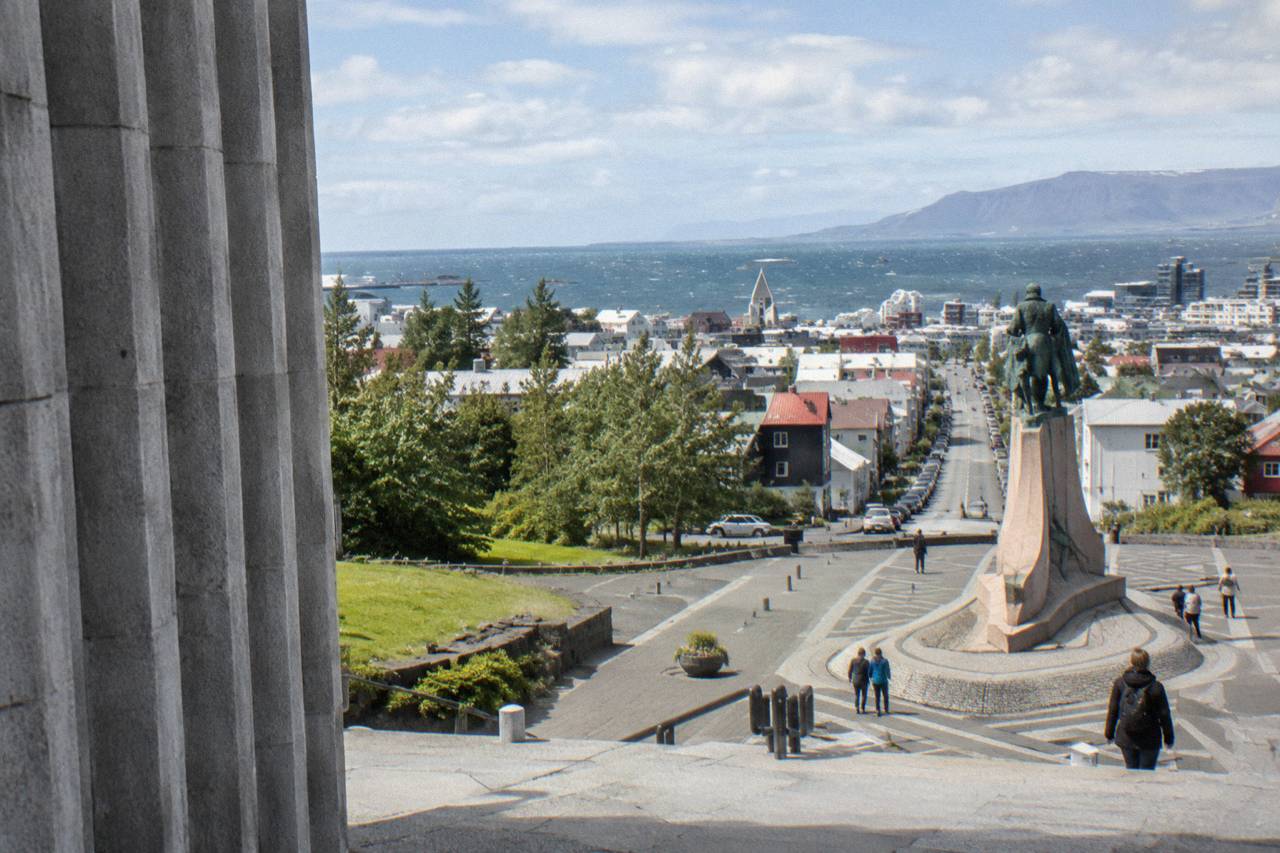
Is Reykjavik Very Expensive?
Is Reykjavik very expensive? An honest cost breakdown of food, transport, pools, museums and tours, with the figures that matter and the ways visitors keep the bill down.
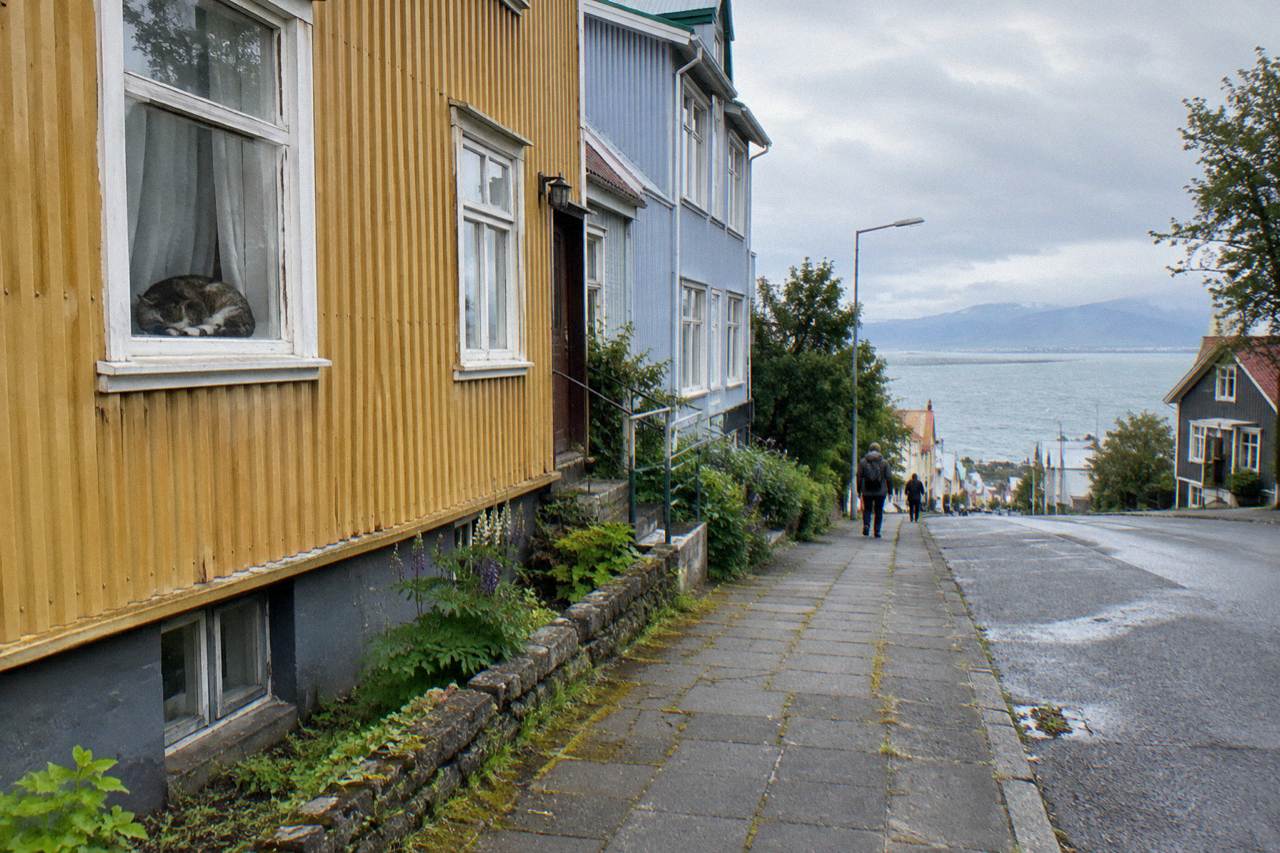
Yes, by most European standards Reykjavik is expensive, but not uniformly so. Accommodation and restaurant alcohol push the bill up hardest, while tap water, city buses, thermal pools and walking the compact centre cost little or nothing. A single bus fare is 690 ISK, an adult pool entry is 1,500 ISK, and the most reviewed paid walking tour in the city starts at $50.08 per person.
That is the honest short answer. The longer answer is that Reykjavik punishes a specific kind of trip, the one built around restaurant dinners, cocktails in the evening and taxis in between, and rewards a different kind entirely, the one built on foot, on geothermal water and on a couple of well chosen paid experiences. The gap between those two versions of the city is enormous. Two visitors can spend the same three days here and come home with very different bills.
The numbers that scare people are real. Iceland applies a standard VAT rate of 24 percent, one of the higher rates in Europe, and a reduced 11 percent rate on things like accommodation, certain transport and tours and food. That tax base sits on top of a small, remote island economy that imports a large share of what it consumes, and where wages are high. Restaurant mains can cost what a full dinner for two costs in much of continental Europe. A beer at a bar can outprice a glass of wine in Paris.
But the panic that surrounds the city's reputation often ignores the cheap half of the ledger. The hot dog stand that has operated since 1937, Bæjarins Beztu Pylsur, lists a pylsa at 920 ISK, which is roughly the price of a fancy coffee in London. The geothermal pools, which many locals treat as their daily ritual rather than a tourist attraction, cost 1,500 ISK for an adult, with children under ten free. Tap water is glacier-filtered groundwater, tested weekly across the distribution network, and free from any faucet. Nobody needs to buy bottled water here, and doing so marks you instantly as a visitor.
The tour side of the budget is where planning matters most, because the spread is wide. A two hour small group walking tour starts from $50.08 per person and rated 4.9 across 5,260 reviews, which is a lot of orientation and storytelling for the price of an average dinner main elsewhere. At the other end, a private five hour city tour runs from $784 per group. Between those poles sit food tours from $136.58 to $223 per person and harbour boat trips from $67. Choosing two or three of these deliberately, rather than accumulating them, is the single biggest lever on a Reykjavik budget.
There is also a structural reason the city feels expensive to some travellers and reasonable to others: it is genuinely compact. Downtown Reykjavik can be walked end to end in well under an hour at a normal pace, which means a car, taxis and rideshares are optional rather than essential. A trip built around walking the city centre spends almost nothing on movement. A trip built around driving between neighbourhoods spends constantly, on parking as much as fuel.
This article walks through real costs, section by section, from published prices on official sites and tour booking pages. Where a number is not firmly published, it says so, and points you to where to check. The goal is not to argue that Reykjavik is cheap, it is not, but to show exactly where the money goes and where it does not have to.
What Things Actually Cost In Reykjavik?
A realistic daily budget has a bare bones tier of self catering, bus fares, a pool visit and free sights, a mid tier that adds café meals and a modest tour, and a comfort tier with restaurant dinners and multiple paid experiences. The unit prices below, all verified and official, are what determine which tier a day falls into.
The table below pulls together the verified unit prices that drive those tiers. These are official figures from the city, the transport authority and named operators, not estimates or traveller anecdotes.
| Item | Price | Notes |
|---|---|---|
| City bus, adult single | 690 ISK | Contactless payment accepted, same price |
| City bus, young people 12 to 17 and 67+ | 345 ISK | Children 11 and under travel free |
| Public pool, adult entry | 1,500 ISK | Single adult pool admission: 1,500 ISK |
| Reykjavik City Card, 24 hours | 6,100 ISK | Museums, pools, buses included |
| Reykjavik City Card, 48 hours | 8,500 ISK | Same inclusions |
| Reykjavik City Card, 72 hours | 10,500 ISK | Same inclusions |
| Saga Museum, adult | 4,000 ISK | Wax figure saga scenes, audio guide |
| Whales of Iceland, adult | 4,300 ISK | Life size whale models, open daily 10:00 to 17:00 |
| Classic hot dog at the 1937 stand | 920 ISK | The city's famous cheap eat |
| Flybus, airport to city terminal | 3,999 ISK one way | Adult, standard luggage included |
Two of those lines deserve special attention. The first is the City Card, priced by the official city tourism site, which bundles 17 museums, 8 geothermal pools, unlimited capital area buses and the Videy ferry into one pass. On a busy museum day the 24 hour card at 6,100 ISK pays for itself quickly, on a slow day it may not, so the arithmetic is worth doing for your own itinerary. Note that it explicitly excludes the airport bus route 55.
The second is the pool line, because it is the best value in the entire city. A 1,500 ISK entry buys you hot pots, a lap pool and steam rooms, often with an outdoor view of the sky, and locals treat it as a public living room. Visitors who skip the pools because they seem like just another swimming option miss the most Icelandic experience available for the least money.
Accommodation sits outside the table because prices move constantly with season and demand. What is stable and worth knowing is the lodging tax: 800 ISK per night per unit for hotels and guesthouses, published in the official VAT guidelines. It is small, but it appears on your bill and it is worth recognising when you read it.
If a walking tour is part of your plan, that cost is easy to pin down in advance. The small group walking tour runs about two hours from $50.08 per person, rated 4.9 across 5,260 reviews, and the tour pages cover the full spread of guided options so nothing on the day surprises you.
How Expensive Is Food Really?
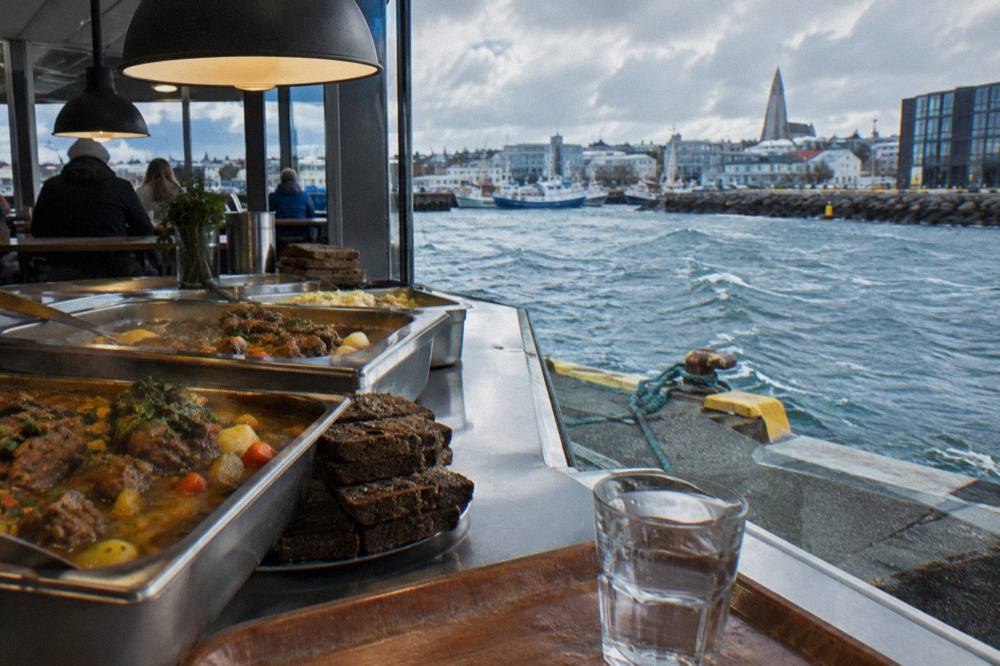
Restaurant dining is genuinely costly, but the city has a working cheap tier. The famous hot dog costs 920 ISK, the two main food halls offer full meals from vendors in converted industrial spaces, and a three hour guided food tour runs from $141 to $223 per person. Self catering from a supermarket remains the cheapest path of all.
Food is where the reputation is most earned and most misunderstood. A sit down dinner with wine at a mid range restaurant in the centre will cost meaningfully more than the equivalent in most European capitals. That is simply the price level here, driven by import costs and the 24 percent standard VAT that sits on restaurant service.
The misunderstanding is that this is the only way to eat. The 1937 hot dog stand near the harbour sells its pylsa for 920 ISK, and it has fed everyone from tourists to presidents for nearly ninety years. Hlemmur Matholl, the city's first food hall, installed in a former bus terminal on the main shopping street, opens daily from late morning into the evening, with vendors spanning bistro plates to pizza to gelato under one roof. Grandi Matholl, out in the old harbour district, opens daily 11:00 to 21:00 with street food style stalls and harbour view seating. Both let you eat a real, cooked meal at counter prices rather than restaurant prices, and both close for a small number of specific holiday dates listed on their own sites.
The food halls matter for another reason: they are where the guided food tours actually take people. If you want the food without a guide, you can walk the halls yourself for the cost of the dishes. If you want context, stories and a route chosen by someone who lives here, a tour adds that layer. The Street Food Walking Tour runs about three hours from $136.58 per person, rated 4.9 across 40 reviews, and the Guided Foodie Walking Tour with 6 Tastings runs about three hours from $147 per person, rated 4.9 across 2,124 reviews, the most reviewed food experience in the city.
At the fuller end, the Food Tour with 6+ Tastings of Icelandic Classics costs from $149 per person, rated 4.8 across 23 reviews, and the four hour Eat, Drink and Explore with Locals format costs from $223 per person, rated 4.9 across 18 reviews. These are not cheap, but they replace a dinner out, and a dinner out here is not cheap either. Priced against the restaurant it replaces rather than against a free walk, the gap narrows sharply.
One warning worth repeating: never buy bottled water. The municipal supply is groundwater, monitored weekly under Icelandic drinking water regulation, and the cold tap delivers some of the cleanest water in the world. The hot tap often smells faintly of sulphur, which is the geothermal source, not a problem. Spending even 300 ISK a day on bottled water is a pure waste.
How To Get Around Without Spending Much?
You can get around Reykjavik almost entirely on foot and 690 ISK bus fares. Downtown is compact enough that most visitors walk everywhere, the airport Flybus costs 3,999 ISK one way to the city terminal, and e-scooters run 115 ISK to start plus 45 ISK per minute for adults 18 and over.
The transport story starts at the airport. The official Flybus from Keflavik to the BSÍ terminal in the city costs 3,999 ISK one way for an adult, or 5,299 ISK with the onward hotel drop off leg included, and children aged one to five ride free. That transfer is fixed, published and easy to plan for, which is more than can be said for taxi fares that scale with traffic and time of day.
Inside the city, the economics are unusually simple. The adult single fare on Stræto buses is 690 ISK whether you pay contactless or by card, young people aged 12 to 17 and riders 67 and over pay 345 ISK, children 11 and under ride free, and the night bus charges the full 690 ISK with no discounts. Since mid July 2026 the old 24 hour and 72 hour day passes have been discontinued and replaced with fare capping: you are never charged for more than three rides a day or nine rides a week at the adult rate. There is no pass to buy or optimise anymore, you just tap and the system caps itself.
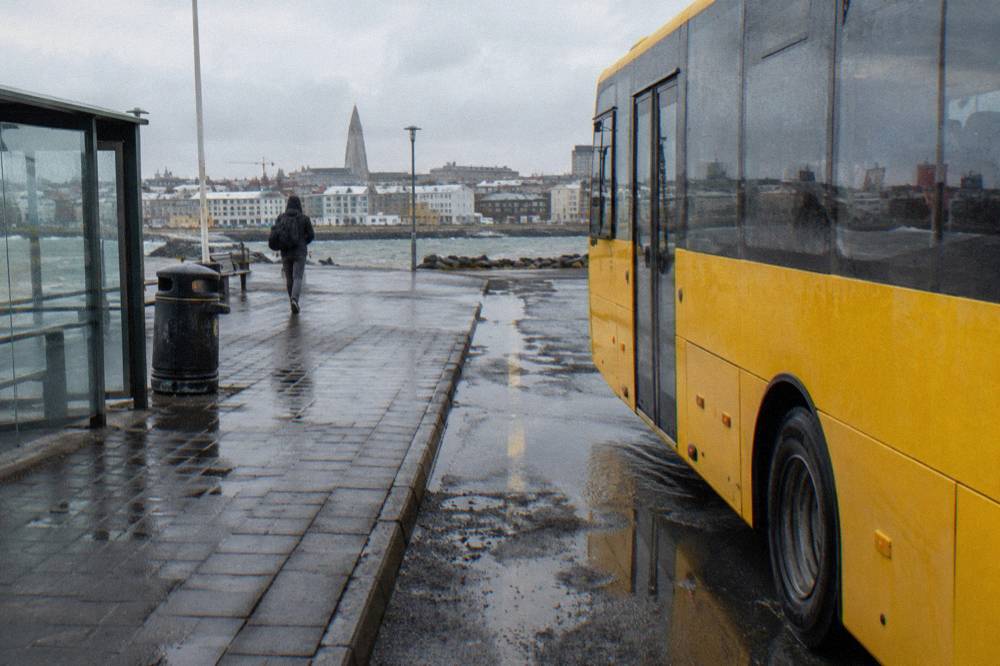
The hop-on hop-off sightseeing bus is the one transport option with a foot in both camps: it costs from $53 for a ticket that covers a full day, rated 4 across 1,536 reviews, which makes it a tour more than a transit pass. In the winter schedule departures run roughly every 45 minutes, from about 9:30 until the last departure at 16:15. from about 9:30 with a last departure around 16:15, on a loop of about 80 to 85 minutes with an audio guide in eight languages. Note that the service has had seasonal suspensions in the past, so the booking page is the place to confirm it is running on your dates.
For short hops, Hopp e-scooters are parked across the centre at 115 ISK to start plus 45 ISK per minute, renters must be 18 or over, and the operator runs year round. Ten minutes of scooting costs about 565 ISK, which is competitive with a bus fare but weather dependent in a city where winter means ice.
The cheapest option of all costs nothing: walking. The city centre is genuinely walkable, the distance from the harbour to the main church is a matter of minutes, and a full circuit of the downtown sights fits comfortably inside a couple of hours, a question explored in detail in how long it takes to walk around Reykjavik. Every kilometre walked is a bus fare unspent.
Do You Need A Tour, And What Do Tours Cost?
You do not need a tour to enjoy Reykjavik, but tours here are comparatively affordable relative to other costs. Guided walking tours run from about $40.38 to $89 per person, food tours from $136.58 to $223, and the most reviewed walking tour in the city costs from $50.08 per person. Tipping is not expected, so the listed price is the whole price.
This is the part of the budget where the value judgement actually favours spending. Against pricey cocktails and 4,000 ISK museum entries, a two hour guided walk at roughly the price of a single restaurant main is one of the few experiences in the city that scales down comfortably. Winter daylight is short, so a compact 2-hour walk fits the day: the much reviewed small group tour runs from $50.08 per person, and the Express Walk with a Local compresses the city into 60 to 90 minutes from $89 per person for visitors with only a layover or a stopover to spend.
The cheaper end of the scale is real too. A folklore walking tour that meets the elves, trolls and ghosts of Iceland runs about 90 minutes from $52.36 per person, rated 4.8 across 758 reviews, and a Christmas myths and traditions walk in the same format costs from $40.38 per person, one of the least expensive guided experiences available in the city at any time of year.
Consider the Express Walk as an example of how tours fit a tight budget. It covers the city's headline sights in an hour to an hour and a half, from $89 per person, which sounds like a lot until you compare it with what else an hour of paid activity costs in this city, which is often more.
One structural point worth knowing: because tipping is not customary in Iceland, the price you see on a booking page is the entire outlay. There is no 15 to 20 percent shadow cost hovering behind every guided experience, restaurant bill or taxi ride, which is a genuine difference from North American travel budgeting and one that many visitors do not factor in until they arrive.
The private tier is where costs jump, and it is honest to say so. A two hour private walking tour runs from $443.89 per group, rated 5 across 127 reviews, and a five hour private city tour covering the landmark buildings and open air museum runs from $784 per group. These make sense for families or small groups splitting the cost, and the per group basis means the per person arithmetic can be kinder than it first looks, but solo travellers should look at the small group options instead.
Does The Time Of Year Change The Cost?
Yes, but less than you might think on paper. Tour prices in the city are largely flat year round, the seasonal pressure falls on flights and hotels instead, and the winter months bring both cheaper accommodation and sharply shorter days, with the sun rising after 9:00 and setting before 17:15 in November.
Reykjavik walking tours start from $49 per person, and every listing offers free cancellation if your plans change., the food tours likewise, and the harbour boats shift their offering rather than their price level, with puffin season running roughly May through August and whale watching continuing through the colder months from the Old Harbour. What changes seasonally is the environment around the tours. Reykjavik's shortest day in late December runs about four hours, and by the first of November the sun rises at 9:10 and sets at 17:10, which compresses sightseeing into a bright window rather than removing it.
That compression has a budget effect few people notice. Short days mean fewer hours in which to spend money on entry fees and cafés, and long summer evenings, over 21 hours of daylight at the solstice, mean the opposite. Short winter daylight cuts the spending day; the hop-on hop-off bus, for one, runs its last winter departure at 16:15.
Weather is the other variable, and it is a real one, not a trivial one. December's mean temperature sits around 0.8 °C with roughly 95 mm of precipitation on Met Office records, and the city sees 9 to 15 days per month with a millimetre or more of rain across the year. None of that closes the walking tours, but it argues for the right clothing, a subject covered in full in what to wear on a Reykjavik walking tour. Being underdressed is the mistake that ends up costing money, because it pushes people into taxis, cafés and shops they never planned to enter.
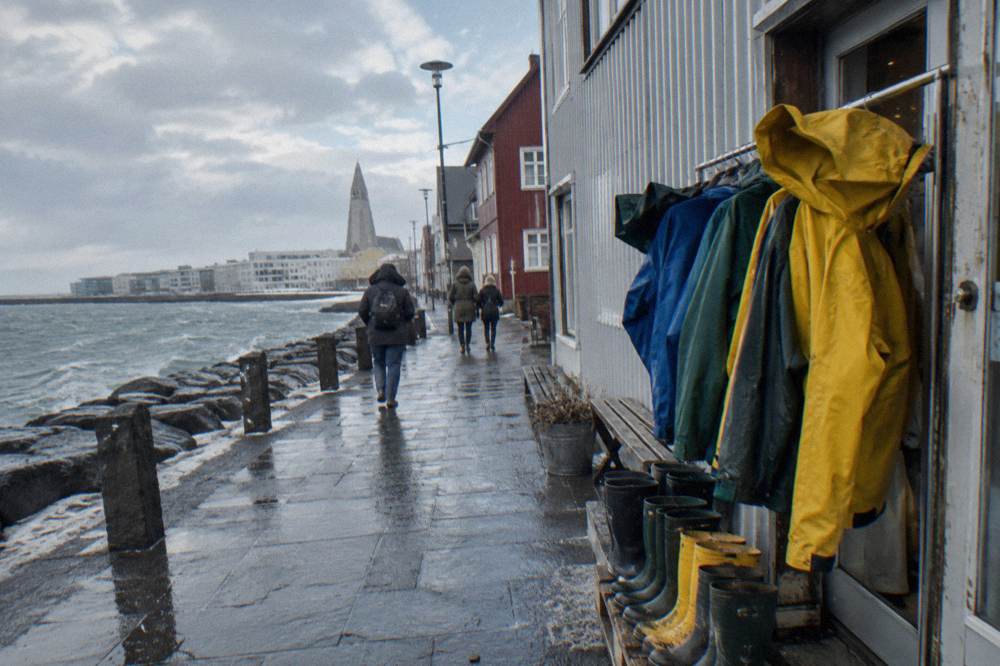
One seasonal quirk with a real cost angle: winter tyres become mandatory on Icelandic roads from 1 November, and road conditions on the routes out of the city can turn icy quickly, which is why many winter visitors choose guided transport over self driving for any day trips beyond the city limits. Within Reykjavik itself, the buses and your own feet remain the cheap answer in every season.
Is Reykjavik Very Expensive Compared To Other Capitals?
Compared with London, Paris or Copenhagen, Reykjavik is more expensive for restaurants, alcohol and restaurant wine, roughly comparable for transport and museums, and cheaper for some things those cities charge heavily for, including tap water and, in season, access to naturally heated pools at 1,500 ISK a visit.
The comparison that surprises most visitors is the museum and attraction line. Saga Museum charges 4,000 ISK for an adult, Whales of Iceland charges 4,300 ISK, and the City Card that bundles 17 museums plus pools plus buses tops out at 10,500 ISK for 72 hours. Those are normal northern European capital prices, not outliers. The church tower view across the city is ticketed at the church shop with no advance booking, and the official church site lists current pricing there.
The comparison that shocks is the restaurant line, particularly anything involving alcohol, which carries import costs and the full standard VAT. A main course at a mid range downtown restaurant routinely costs what a full meal costs in many other capitals, and bar prices scale from there. This is the single biggest driver of the city's expensive reputation, and it is almost entirely avoidable through the food halls, the hot dog stands, supermarket self catering and the simple decision to buy alcohol at the airport duty free rather than in a bar if drinking matters to your trip.
The honest overall verdict is that Reykjavik is an expensive city with an unusually large cheap tier. The floor under a day here, buses and pools and walking and food hall meals, is lower than the floor under a day in many cheaper sounding capitals. The ceiling, restaurant dinners and bar crawls and private tours stacked together, is very high indeed. Where your trip lands between those two is mostly a set of choices, not a fixed cost.
Against that backdrop, the walking tour format stands out as the rare guided product priced near the cheap tier. The small group walk from $50.08 per person, rated 4.9 across 5,260 reviews, delivers the city's history and geography in about two hours for the price of a single restaurant main, and the food tour with 6+ tastings of Icelandic classics from $149 per person replaces a full dinner while doubling as a guided walk.
Common Questions About Reykjavik Costs
Is Reykjavik Very Expensive?
Yes by most European standards, especially for restaurants, alcohol and accommodation. But buses cost 690 ISK a ride, pool entry is 1,500 ISK, tap water is free and safe, and walking tours start from $50.08 per person, so the total depends heavily on how you structure the trip.
How Much Does A Meal Cost In Reykjavik?
A classic hot dog at the famous 1937 stand costs 920 ISK. Food hall meals at Hlemmur Matholl or Grandi Matholl cost less than a sit down restaurant main. A mid range restaurant dinner with drinks is the most expensive way to eat in the city.
Is The Reykjavik City Card Worth It?
The 24 hour card costs 6,100 ISK and includes 17 museums, 8 pools, unlimited capital area buses and the Videy ferry. If you plan two or three museum visits plus a pool in a day or two, it pays for itself; on a slow sightseeing day it may not.
Do You Need Cash Or To Tip In Reykjavik?
Iceland is nearly cashless and cards are accepted everywhere. Tipping is not expected or customary, service charges are included in prices, so the price on a menu or booking page is the full amount.
What Is The Cheapest Way To Get From Keflavik Airport To The City?
The official Flybus costs 3,999 ISK one way for an adult to the BSÍ terminal, or 5,299 ISK with a hotel drop off. Children aged one to five travel free. The public bus route 55 is cheaper still but slower, and it is excluded from the City Card.
Are Tours In Reykjavik Expensive?
They start lower than most people expect. Guided walking tours run from about $40.38 to $89 per person, food tours from about $136.58 to $223, and the most reviewed walking tour in the city costs from $50.08 per person for roughly two hours.