What Is The Famous Shopping Street In Reykjavik?
Laugavegur is the famous shopping street in Reykjavik. Here is what to expect along it, what things cost, and how a guided walk covers the whole stretch.
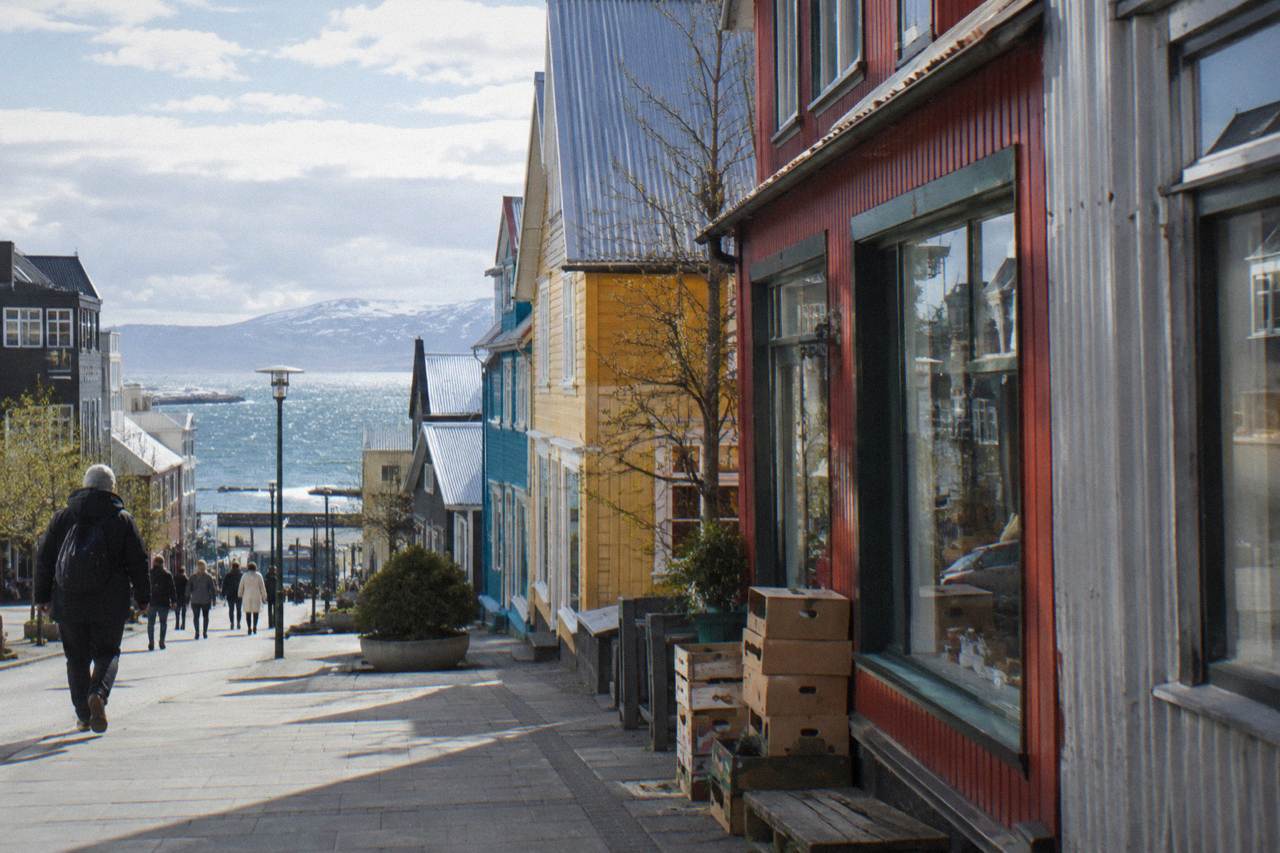
The famous shopping street in Reykjavik is Laugavegur, a roughly 1.6 kilometre stretch that runs from the city centre up toward the Laugardalur district. It is the city's oldest and best-known retail street, lined with Icelandic design shops, bookstores, cafes, bars and souvenir storefronts. Its painted corrugated-iron houses are among the most photographed buildings in the country, and nearly every city walking tour passes along it.
Laugavegur translates as "wash road", a name that dates back to when women carried laundry to the hot pools in Laugardalur, the warm springs at the far end of the route. The street kept that working identity for decades before becoming the retail spine of the capital. Today the lower section, nearest the centre, is largely pedestrian in feel, with narrow sidewalks, outdoor seating in summer and shopfronts packed tightly together. The character shifts as you walk uphill: the souvenir density thins, and design studios, record shops and local businesses take over.
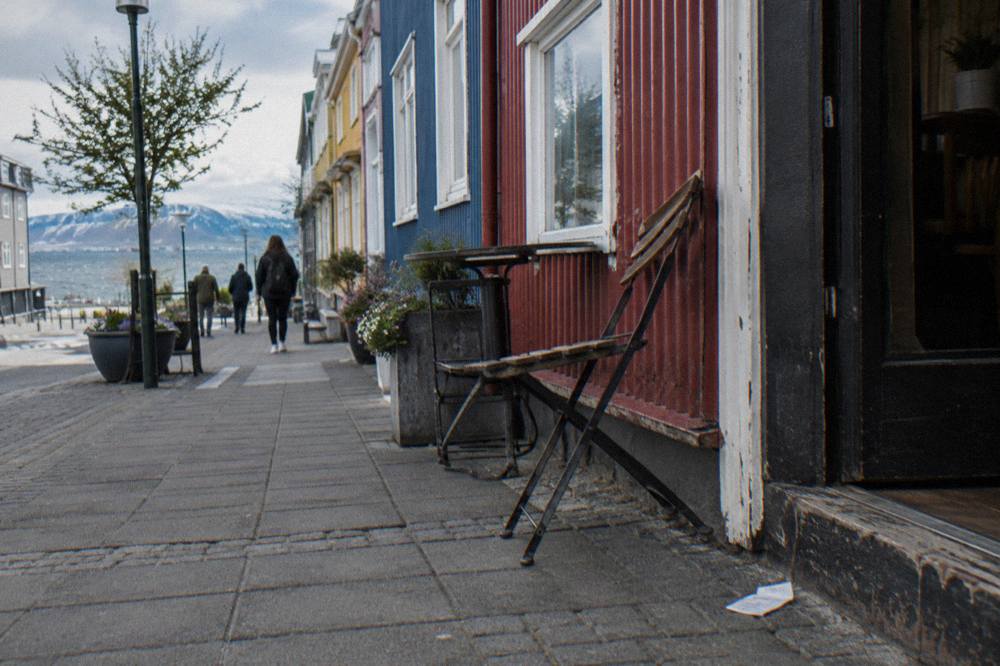
What makes Laugavegur famous is less any single shop than the streetscape itself. The rainbow-painted crosswalk nearby, installed as a statement of inclusion, and the steep cascade of coloured houses toward Hallgrímskirkja give photographers a composition that reads instantly as Reykjavik. Visitors who ask about "the main street" almost always mean this one, and the tour options reflect that: the Private Reykjavik Shopping & Sightseeing Walking Tour, from $338 per person at roughly three hours, is built around pairing the shopping stretch with the city's major sights in a single walk.
The street also functions as the city's default parade route and gathering place. National day celebrations, pride festivities and the winter light displays all centre on it or on the squares at either end, which means a random afternoon visit can turn into something more memorable than a shopping trip. Locals treat it the same way visitors do, as the obvious place to stroll when there is nothing specific planned, and that shared habit keeps the street busy even in the darker months.
For travellers who would rather join a shared group than book privately, Both walking options cover the same central ground at a lower price point, so weigh them before you decide.
Where Does Laugavegur Start And How Far Does It Run?
Laugavegur begins at the junction near Bankastræti in the city centre, a two-minute walk from Lækjartorg square, and runs northeast uphill for about 1.6 kilometres before it merges into the residential approach to Laugardalur. The lower third, from Bankastræti to about Klapparstígur, carries the heaviest concentration of shops and is the stretch most visitors mean when they name it. Most people walk it in twenty to thirty minutes without stopping, though an afternoon of browsing fills easily.
The street is one continuous line, but it behaves like three distinct zones. The lowest block connects directly into Bankastræti, the westward continuation lined with boutiques that locals often rate above Laugavegur for serious shopping. The middle stretch, around the cross streets of Klapparstígur and Hverfisgata's junction, holds the larger Icelandic wool stores, outdoor outfitters and several of the city's best-known cafes. Further along, the retail thins, and the upper blocks hold studios, apartments and a quieter, more local pace.
Hverfisgata deserves its own mention because it runs parallel to Laugavegur one block north and has quietly assembled a concentration of restaurants, coffee roasters and design-minded shops of its own. A sensible loop for a shopping afternoon is to walk up Laugavegur and return along Hverfisgata, which takes in both faces of central Reykjavik without repeating ground. Guides on city walks routinely fold both streets into the same route, along with the harbour end of downtown.
The gradient is worth knowing about in advance. Laugavegur climbs steadily from the centre toward Laugardalur, and while no single block is steep, the cumulative rise is enough to notice on a cold day or with heavy shopping bags. Most visitors turn around somewhere in the middle stretch and drift back down, which is exactly the right instinct: the best of the browsing sits in the lower half, and the upper blocks reward curiosity more than commerce.
If shopping is the priority and you would rather not navigate the options alone, a private guide changes the arithmetic. A tour built around shopping and sightseeing handles the route decisions, and the cancellation terms on the booking page let you confirm plans without committing fully.
What Can You Actually Buy On Laugavegur?
Shopping on Laugavegur centres on Icelandic wool knitwear, outdoor clothing, design goods, jewelry, books, music and food souvenirs, with a heavy layer of conventional souvenir shops in the lower blocks. Serious buyers tend to rate the side streets, especially Bankastræti and the design shops toward the top of the street, above the souvenir stretch for quality. Prices are Icelandic: a lopapeysa wool sweater is the classic Icelandic purchase worth saving room in the budget for.
The table below gives a plain-language map of what the street sells and where it concentrates. Treat it as a planning guide rather than a promise, since shops open and close seasonally and the mix shifts year to year.
| Zone of the street | What dominates | Who it suits |
|---|---|---|
| Lower Laugavegur, near Bankastræti | Souvenir shops, wool stores, cafes | First-time visitors, gift buyers |
| Middle stretch, Klapparstígur area | Outdoor brands, jewelry, bookshops | Serious shoppers, hikers |
| Upper Laugavegur, past Vegamótastígur | Design studios, local businesses, fewer chains | Design hunters, returning visitors |
| Bankastræti (parallel lane) | Independent boutiques | Locals and repeat travellers |
| Hverfisgata (one block north) | Restaurants, roasters, selective shops | Food-led afternoons |
Two practical notes shape any shopping budget here. Iceland's value-added tax runs at a reduced 11 percent on many goods and services relevant to travellers, including food and certain transport and tours, against a standard 24 percent rate, and those rates are already inside the shelf prices you see. Tipping is not expected or customary anywhere in the country, so the price on the tag or the menu is the whole cost. Visitors planning a multi-stop day that mixes museums and pools with shopping often weigh the Reykjavik City Card, which at 6,100 ISK for 24 hours covers 17 museums, the pools and the city buses, though shopping is of course on your own wallet.
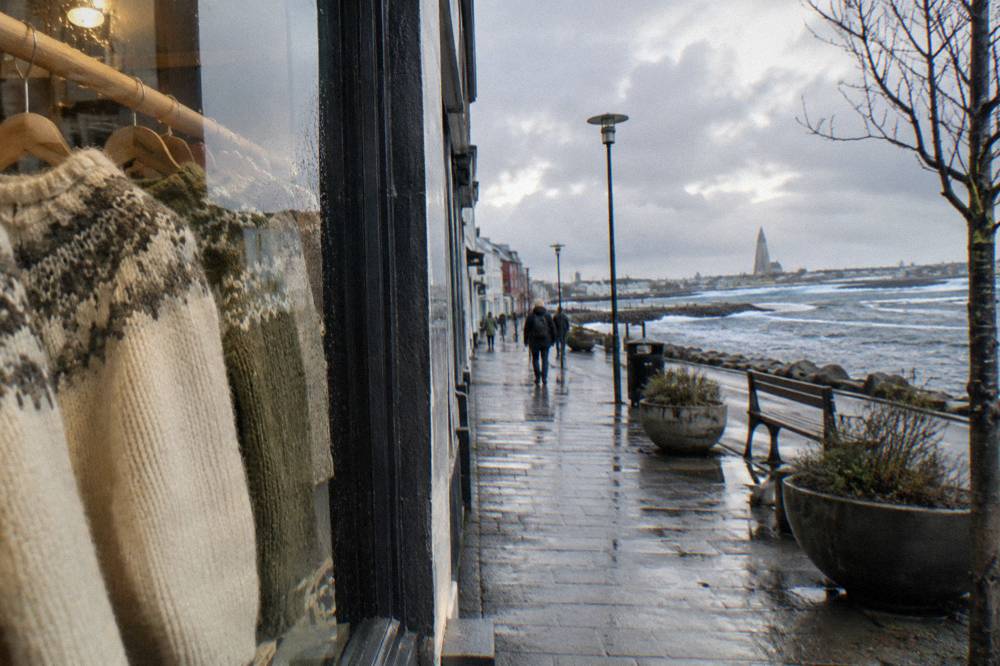
The wool question comes up constantly. A genuine hand-knitted lopapeysa is a significant purchase, and factory-knitted versions cost less while still being made in Iceland from Icelandic wool. The distinction is usually stated on the label, and shop staff will explain it if asked. Food souvenirs hold down the other end of the budget: liquorice, chocolate, dried fish and birch-themed products travel well and cost a fraction of a sweater.
Books and music are an underrated category. Iceland publishes more books per capita than almost anywhere, the Christmas book-flood tradition keeps the publishing scene alive, and Laugavegur's bookshops carry English-language editions of the sagas, Icelandic crime fiction and photography volumes that make genuinely useful souvenirs. Record shops along the street and on its side lanes stock Icelandic artists on vinyl, which packs as flat as it does in any suitcase.
Jewelry and ceramics round out the design end. Icelandic designers work heavily with lava, basalt textures, volcanic glass and wool felt, and the better pieces read as distinctly local rather than generic Scandinavian. Prices for a small piece of lava jewelry or a hand-thrown mug sit well below sweater territory, which makes them the practical choice for gifts when a suitcase is already full.
How Far Is Laugavegur From Hallgrímskirkja And The Harbour?
The lower end of Laugavegur sits about a five-minute walk from Hallgrímskirkja, Reykjavik's landmark church, with the tower rising directly at the top of Skólavörðustígur, the sloping street of galleries that meets Laugavegur's lower section. The Old Harbour is roughly ten minutes' walk from the same starting point, which places the famous shopping street at the exact centre of the walkable downtown. Nothing worth seeing in the core is more than twenty minutes away on foot.
That geography explains why walking tours cluster here. A guide can start near the harbour, cover the oldest streets, climb past Hallgrímskirkja and finish along Laugavegur's storefronts inside a two-hour outing without rushing. The church itself keeps winter hours of 10:00 to 17:00 with last tower entry at 16:45, and the church's own site lists the daily closures for services and concerts, which restrict access to the nave and tower. Tower tickets are sold only in the church shop, with no advance booking, so check the church's site for the current price before you go.
Skólavörðustígur deserves the walk even apart from the church view. The slope from Laugavegur up to Hallgrímskirkja is lined with galleries, ceramicists and design shops, and looking back down the hill gives the classic view of coloured roofs toward the water. From the tower, on a clear day, the whole layout of downtown resolves: the shopping street's line, the parallel grid of Hverfisgata, and the harbour beyond.
The Reykjavik City Tours approach to this area is straightforward: the famous street is the spine, and the sights hang off it. Travellers who want the context, the history and the shopping in one structured outing can shop and sightsee on a private walking tour, while independent walkers will manage the same ground easily with a map and good shoes.
Is Laugavegur Better On A Guided Tour Or On Your Own?
Walk Laugavegur on your own if you just want to soak up the street, since it is fully walkable and many visitors enjoy it that way, but choose a guided tour for what the street keeps quiet: the small-group walk rated 4.9 across 5,260 reviews, roughly two hours and from $50.08 per person, is the most reviewed of all 37 tours listed, while a private shopping-focused alternative from $338 per group suits retail-first travellers.
The choice mostly comes down to what you want from the street. Independent walkers with a shortlist of shops and a free afternoon lose nothing by going alone; the street is safe, compact and easy to read. First-time visitors, and anyone who has ever finished a shopping street realising they learned nothing about the place, tend to get more from a guide. The folk history is genuinely good here, from the laundry-path origins of the street's name to the stories behind its most prominent corners.
For the guided route, the City Walking Tour in Small Group with a Local Guide is the natural pick for most travellers.
A different format suits different travellers. The guided city walk, rated 5 across 106 reviews and from $52 per person, runs a bit longer at about 144 minutes and moves briskly through the centre, and it can suit anyone whose day is already packed with other bookings. Private options, by contrast, cost more but let you steer: on the shopping-and-sightseeing private tour the guide's route bends toward the storefronts, and the per-person pricing means a couple or a family pays per traveler rather than one figure for the whole group.
One honest caveat applies to any city walk in a northern capital: weather shapes the day. Reykjavik averages 9 to 15 days per month with a millimetre or more of rain, and winter means short daylight, with the sun setting near 17:10 in early November. A guided walk in winter is perfectly viable, and the operators run year-round, but layers and a waterproof shell matter more than any itinerary decision. The site's guide on what to wear on a Reykjavik walking tour covers this in detail.
When Is The Best Time To Walk Laugavegur?
Late morning through late afternoon is the best window for Laugavegur, because that is when the shops, cafes and galleries are reliably open and the winter light is at its brightest, arriving around 9:10 and leaving near 17:10 in early November. In summer the long evenings let you shop until late, while in winter the street is quiet after about 18:00 and many storefronts go dark. Midweek mornings are the calmest.
Seasonality changes the street more than most visitors expect. In December, Christmas lighting transforms the whole downtown and the shopping street carries a market feel, though opening hours shorten around the holidays. The Christmas-themed walking tours that run in that season fold the decorated street into a broader route of Icelandic holiday traditions. In June and July, the midnight light keeps cafes and some shops open into the evening, and the street stays lively past the hours a shopping street anywhere else would have emptied.
Getting there is simple. The street's lower end sits within a ten-minute walk of nearly all downtown hotels, and for anyone staying further out, the city bus single fare is 690 ISK for adults, with children 11 and under free; note that the old 24-hour and 72-hour day passes are no longer sold, replaced by fare capping that stops charging adults after three paid rides in a day. Full fares and route details are on the transit operator's pricing page. If you are weighing a wider transport plan, the site's guide on how to get around Reykjavik without a car lays out the options end to end.
Rain, worth planning for rather than fearing, has its own answer: the street's cafes, bookshops and the nearby museums absorb a wet hour comfortably. The guide to Reykjavik tours in the rain runs through what still works well when the weather turns.
Daylight deserves a place in the plan alongside the clock. On the longest June day Reykjavik gets more than 21 hours of light, which pushes the whole rhythm of the city late, while by late December the day shrinks to roughly four hours between sunrise and sunset. Neither extreme changes the shopping, but both change how the street feels: summer Laugavegur is sociable and slow, winter Laugavegur is compact, lamplit and quick. Photographers, in particular, should note that the low winter sun gives the coloured facades a warmth the summer hours never manage, and the site's photography walking tour guide is built around exactly that light.
What Else Should You Know Before You Shop?
Bring a card and expect to use it everywhere; cash is barely needed in Reykjavik, tap water is free and excellent, and prices already include all service charges, so there is no tipping culture to navigate. Budget shoppers should target food souvenirs and side-street boutiques rather than the lower-block souvenir stores, and anyone buying wool should check the label for Icelandic origin. Check the booking page of any tour for its meeting point, since operators list these individually.
A few practicalities round out the picture. Independent travellers with a full day in the city can pair the shopping street with a morning or afternoon whale watching trip from the Old Harbour, which sits within the same ten-minute walk of Laugavegur's lower end; classic whale watching runs year-round from the harbour, and sightings are never promised anywhere in Iceland, only the boat ride is. Cruise passengers with limited hours should read the site's Reykjavik cruise port guide, since the walk from port to the famous street is short enough to do without a transfer.
For a final look at the guided options that cover this street, here are the two walks that fit a Laugavegur-centred day best.
Common Questions About The Famous Shopping Street In Reykjavik
What Is The Famous Shopping Street In Reykjavik?
Laugavegur is the famous shopping street in Reykjavik. It runs about 1.6 kilometres from the city centre toward Laugardalur and is lined with design shops, wool stores, cafes and the colourful corrugated-iron houses the city is photographed for. The lower blocks near Bankastræti hold the densest shopping.
What Is The Famous Shopping Street In Reykjavík?
The answer is Laugavegur in both spellings of the question. It is Reykjavik's oldest retail street, and virtually every city walking tour passes along it. Serious shoppers also rate the parallel lanes of Bankastræti and Hverfisgata highly.
How Long Does It Take To Walk Laugavegur?
Walking the length of Laugavegur takes roughly 20 to 30 minutes without stops. Most visitors spend two to three hours browsing the shops, cafes and the connecting lane of Skólavörðustígur up to Hallgrímskirkja, which sits about five minutes from the street's lower end.
Is Laugavegur Walkable From The Cruise Port?
Yes, the walk from the cruise port area to Laugavegur's lower end is short and flat, generally under 30 minutes, and downtown Reykjavik is compact enough that most visitors never need a transfer. The site's cruise port guide covers timing and options in detail.
What Should I Buy On Laugavegur?
Icelandic wool knitwear, design goods, jewelry, books and food souvenirs like liquorice, chocolate and dried fish are the classic buys. A hand-knitted lopapeysa sweater is the signature purchase and carries a price to match; check labels for Icelandic wool and Icelandic making.
Do I Need A Guide For The Shopping Street?
No, the street is easy to walk independently. A guided tour adds history and local context, and the options range from a shared small-group walk from $50.08 per person to a private shopping and sightseeing tour from $338 for the group, roughly three hours.