What Is Reykjavik Best Known For?
Reykjavik is known for Hallgrímskirkja, geothermal pools, whale watching from the Old Harbour, a compact walkable centre and a food scene built on lamb, seafood and hot dogs. Here is what the city does best.
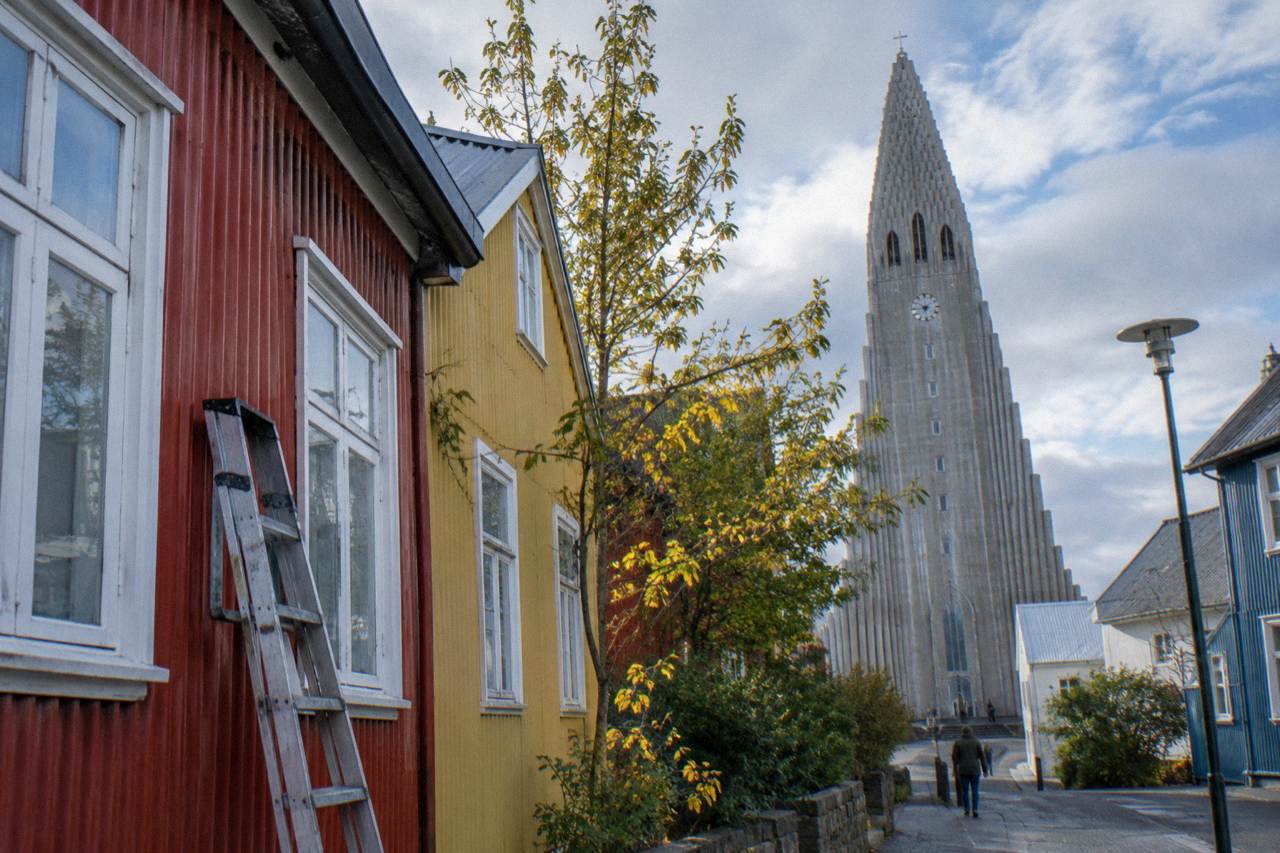
Reykjavik is best known for four things: the stepped tower of Hallgrímskirkja dominating a low, colourfully clad skyline; geothermal pools and tap water straight from the ground; whale watching and puffin trips leaving the Old Harbour; and a compact, walkable centre where food halls, museums and street art sit within fifteen minutes of each other. Winter adds a fifth claim to fame, the northern lights, which appear over the city from mid-August to late April whenever the sky is dark and clear. The world's northernmost capital of a sovereign state is small, home to roughly a third of Iceland's population, which is why almost every Icelandic cultural institution, restaurant scene and music export traces back here.
The city rewards being seen on foot more than almost any European capital, because the things it is known for are clustered so tightly. The parish church, the old harbour, the concert hall on the waterfront and the main shopping street all sit inside a rectangle roughly two kilometres on a side. A first visitor can cover the headline sights in a single long morning, then spend days peeling back layers: the settlement-era archaeology under the streets, the folklore tours that treat elves as a living tradition, the food scene that turned lamb, skyr and fermented classics into destination dining.
A guided walk is the most efficient first move, and the most reviewed option in the city is the small group walking tour, rated 4.9 across 5,260 reviews, from $50.08 per person for roughly two hours with a local guide. The Reykjavik walking tour guide breaks down what each operator covers stop by stop.
Behind the postcard views sits a city with an unusual civic infrastructure. Reykjavik heats almost entirely with geothermal water piped from fields outside the city, which is why the tap water carries no chlorine taste and the swimming pools stay open through the darkest weeks of December. Public pools are treated as everyday infrastructure rather than tourist attractions; a single adult swim costs 1,500 ISK at city pools, and residents go several times a week, year round, snow or midnight sun. Visitors who join them usually describe it as the most local hour of their trip.
Why Hallgrímskirkja Defines The Reykjavik Skyline
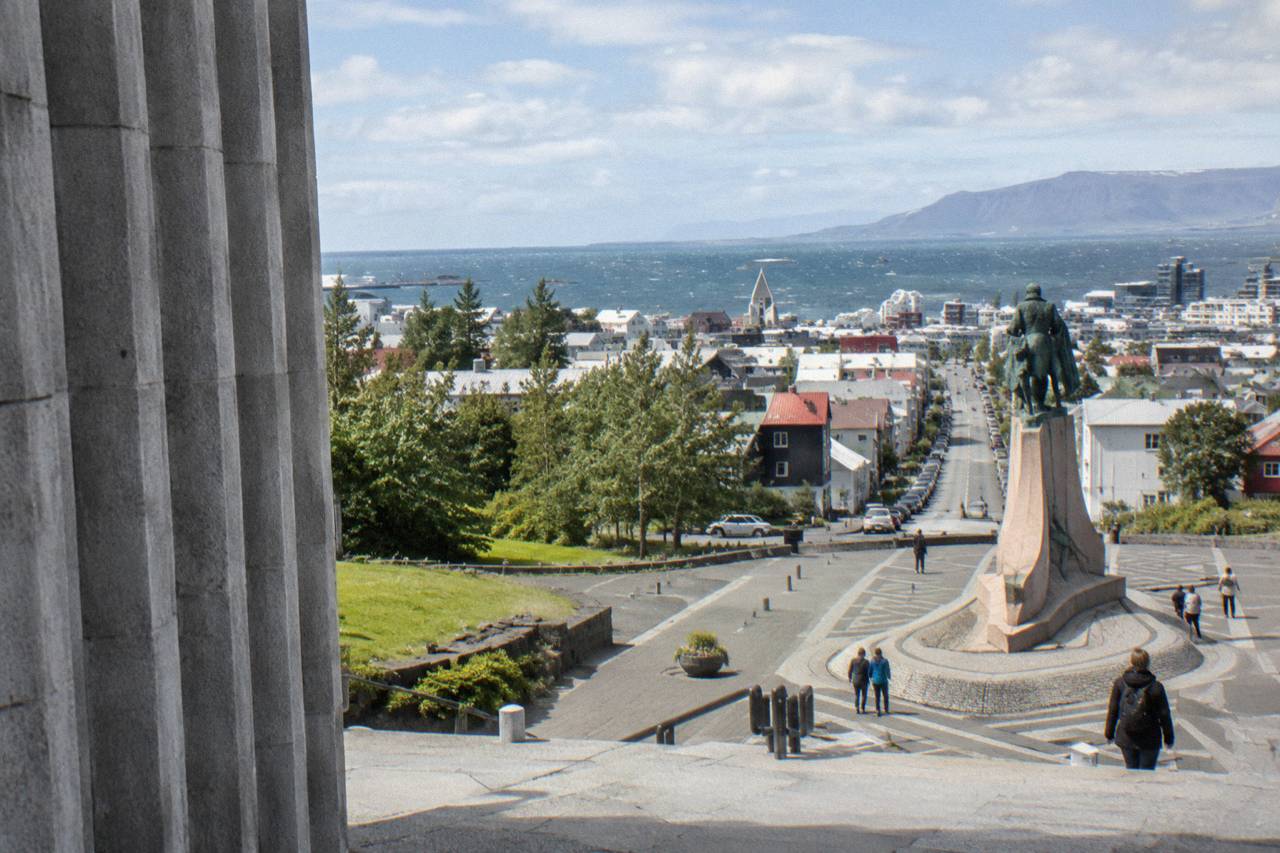
Hallgrímskirkja, the Lutheran parish church at the top of Skólavörðustígur, is the single building visitors picture when they picture Reykjavik. Its stepped tower, designed to evoke cooling basalt columns, took decades to build and dominates every postcard of the city. From in front of the church, the whole downtown grid drops away toward the water in a straight line, which is why so many guided walks, from Viking and folklore to cat and beer tours, set off from here. The tower is ticketed at the church shop, with no advance booking, so check the church's own site for the current price before visiting. Winter hours run 10:00 to 17:00 with last tower entry at 16:45, and access to the nave and tower is restricted during services and concerts, so a midweek morning mass can close the viewpoint for an hour. If you want to plan your climb up the tower, our guide to visiting Hallgrímskirkja and the walks that pass it has the practical details.
The building divides opinion among locals, and that argument is itself part of what the city is known for. The church took shape across the postwar decades as Iceland consolidated its independence, and the concrete expressionist style, unusual in a capital better known for corrugated iron cottages, was deliberately monumental: a young republic wanted a national church to match. Reading the tower as nationalist architecture rather than as a photo stop is the difference between seeing Reykjavik and understanding it. The church's own site carries the full history for anyone who wants the construction timeline in detail.
Neighbouring landmarks share the skyline and the story. Harpa, the glass-faced concert hall on the old harbour, survived the financial crisis that nearly killed the project, and its honeycomb facade reflects the northern light in a way photographers chase at golden hour. The Saga Museum at Grandagarður 2 on the Grandi harbour side tells the settlement and saga eras through seventeen wax scenes with a multilingual audio guide; admission is 4,000 ISK for adults, 3,400 ISK for students and seniors, and 1,200 ISK for children aged 6 to 12, open 10:00 to 17:00 with limited holiday hours. The Settlement Exhibition downtown preserves an excavated Viking longhouse directly beneath the city centre, open daily 10:00 to 17:00 and open daily from 10:00 to 17:00; the 24-hour Reykjavík City Card costs ISK 6,100.
The Viking-history angle deserves its own walk rather than a rushed stop. The sightseeing walking tour with a Viking, rated 4.7 across 497 reviews from $52 per person, spends about two hours on the settlement story, the sagas and the fact that Iceland's parliament, founded at Þingvellir and now sitting in Reykjavik, is among the world's oldest. Guides in period costume are a fixture of the city's tourism scene, and the format suits families and anyone who prefers their history delivered as story rather than lecture.
For visitors assembling their own itinerary, the Reykjavík City Card bundles most of what the city is known for into one pass: 24 hours costs 6,100 ISK, 48 hours 8,500 ISK and 72 hours 10,500 ISK, covering 17 museums and galleries, eight geothermal pools, unlimited capital-area buses and the Viðey ferry, with free museum entry for under-18s accompanied by an adult cardholder. The card excludes the airport bus route 55, so it is a city pass, not a transfer. Full details are on the official Visit Reykjavík card page, and the City Card worth it guide runs the maths for typical one-day and two-day itineraries.
A Food Scene Built On Hot Dogs, Food Halls And Lamb
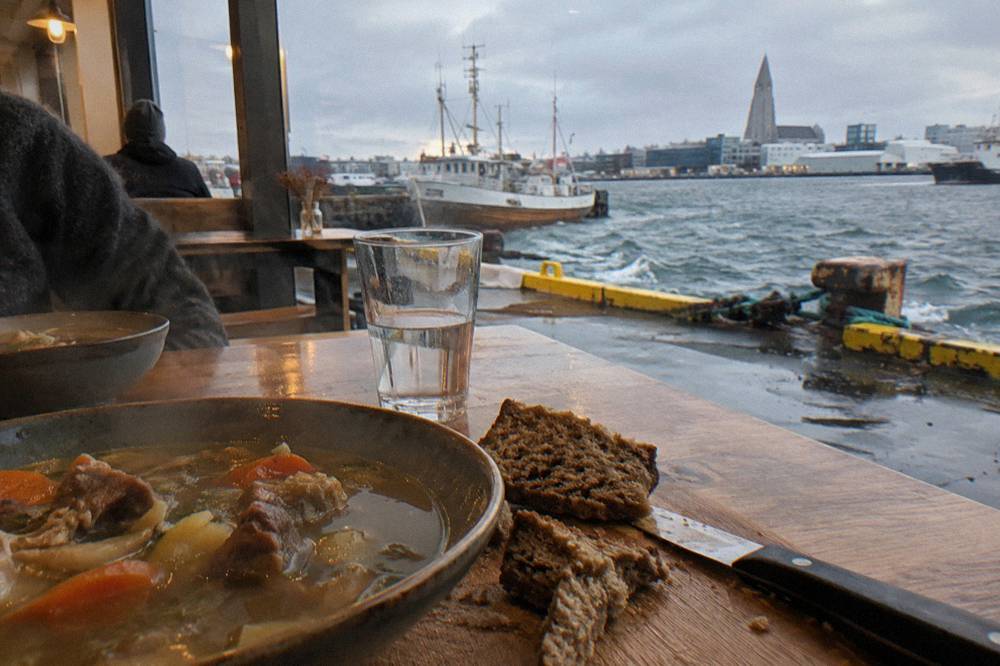
Ask a returning visitor what Reykjavik tasted like and the answer is usually lamb, seafood and the hot dog. The Bæjarins Beztu Pylsur stand has been grilling pylsa by the harbour since 1937, and a hot dog still lists at 920 ISK, likely the cheapest iconic meal in any Nordic capital. Above that sits a scene that has earned the city attention far beyond its size: food halls in converted industrial buildings, new-Nordic kitchens working with geothermal-grown produce, and tours that walk visitors through fermented shark, rye bread ice cream and smoked lamb in a single afternoon. The what to eat in Reykjavik guide covers the full menu; the short version is that eating well here is easy and eating cheaply takes planning.
Two food halls anchor the casual scene. Hlemmur Mathöll, the city's first, opened in a former main bus terminal on Laugavegur and runs daily from 11:00 into the late evening, with vendors spanning bistro, pizza, Asian noodles and gelato under one roof. Grandi Mathöll in the old harbour district at Grandagarður 16 serves traditional and international street food daily from 11:00 to 21:00, with communal tables and harbour views, closing over the main December holidays. Both are within a fifteen minute walk of the centre, and both let a group with mixed tastes eat well together without a reservation or a splurge. The Reykjavik City Tours lineup runs from history walks and food tours to puffin boats out of the old harbour.
Tasting tours turn the scene into a guided geography lesson, and the city's most reviewed is the guided foodie walking tour with 6 tastings, rated 4.9 across 2,124 reviews from $147 per person over about three hours. A contrasting option is the food tour with 6+ tastings of Icelandic classics, rated 4.8 across 23 reviews from $149 per person, which the listing describes as covering traditional kleina, the Icelandic hot dog, seafood soup, dried fish, a Viking platter of smoked lamb and lamb soup, and Icelandic marriage cake across roughly three hours. For traditionalists, the Icelandic food tour walks small groups of up to 12 through at least ten traditional items plus a drink at the final stop, rated 4.6 across 482 reviews from $141 per person. Prices move with season, so treat every figure here as a starting point and confirm on the booking page.
Drink has its own claim on the city's identity. Iceland kept full prohibition on beer long after most countries abandoned it, and the end of beer prohibition is still marked each spring with a national Beer Day celebration. A craft brewing scene has since grown around that history, and beer-themed walks such as the beer and booze tour, rated 4.9 across 72 reviews from $122 per person for about two and a half hours, pair the story with the pours. The beer and pub tours guide compares the options, from tasting walks to a games-and-drinks pub crawl rated 4.9 across 17 reviews from $111.
Whale Watching And Puffins From The Old Harbour
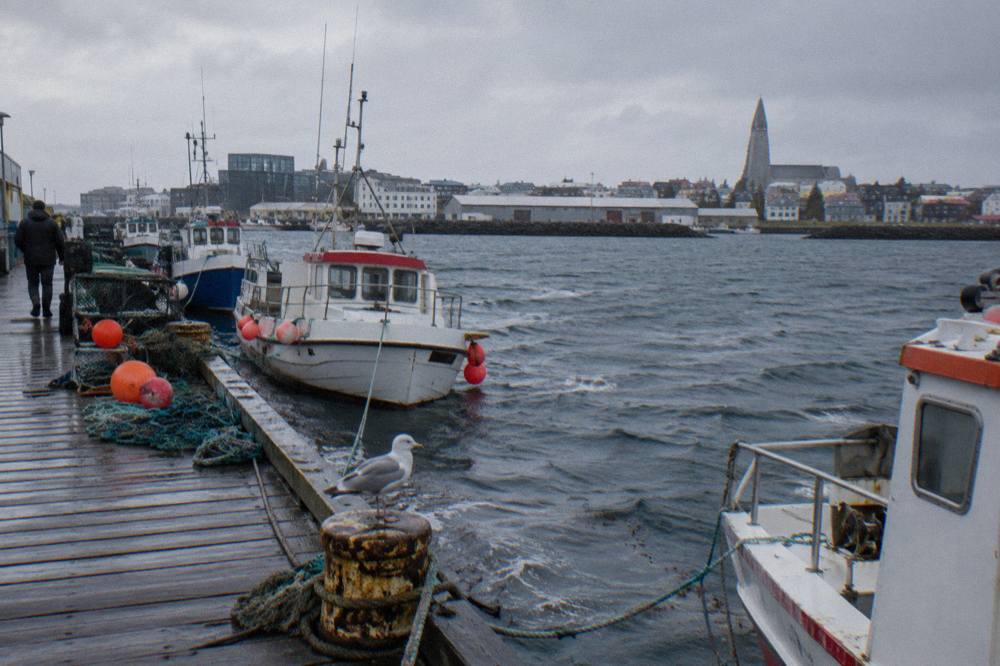
Reykjavik's Old Harbour is a working fishing port that doubles as a departure point for whale watching, and that pairing is central to the city's identity. Operators including Elding, Special Tours and Whale Safari run classic whale watching trips year round, with the classic whale-watching trip from the old harbour listed from $105 for three hours on the water. Humpback whales, minke whales, white-beaked dolphins and harbour porpoises are the regular sightings, and orca appear occasionally, though no operator promises an animal. RIB speedboat versions, which run two hours instead of three, run roughly April to October before the boats are stored for winter; the RIB whale watching trip runs from $190 per person for about two hours, rated 4.6 across 871 reviews, with a combined whale and puffin RIB version rated 4.7 across 494 reviews at the same starting price.
Puffins are the second harbour mascot. The nesting season runs approximately from late April to mid-August, when tens of thousands of birds occupy islands just off the city, and the classic puffin watching boat tour, from $67 per person for about an hour and rated 4.6 across 1,434 reviews, makes short trips out to view the colonies. Outside that window the birds are simply gone, out at sea, which catches out visitors who assume a winter puffin trip is possible. Check the city transport pricing page for the bus to the harbour area, or simply walk: the Old Harbour sits right beside the concert hall.
| Harbour trip | Duration | Season | Starting price | Rating |
|---|---|---|---|---|
| Classic whale watching (operator direct) | about 3 hours | year round | 14,500 ISK | varies by operator |
| Whale watching by RIB speedboat | about 2 hours | roughly Apr to Oct | from $190 | 4.6 across 871 reviews |
| Whale and puffin RIB combo | about 2 hours | roughly Apr to Oct | from $190 | 4.7 across 494 reviews |
| Puffin watching boat tour | about 1 hour | about late Apr to mid-Aug | from $67 | 4.6 across 1,434 reviews |
For more on whale watching seasons, sighting rates and what to wear on the water, see whale watching tours from Reykjavik harbour for the full comparison. One practical note worth knowing in advance: northern lights cruises also leave the Old Harbour, roughly September to mid-April, so a dark-sky boat trip can follow a whale trip in the same day in winter months.
Long Summer Light, Short Winter Days And The Aurora
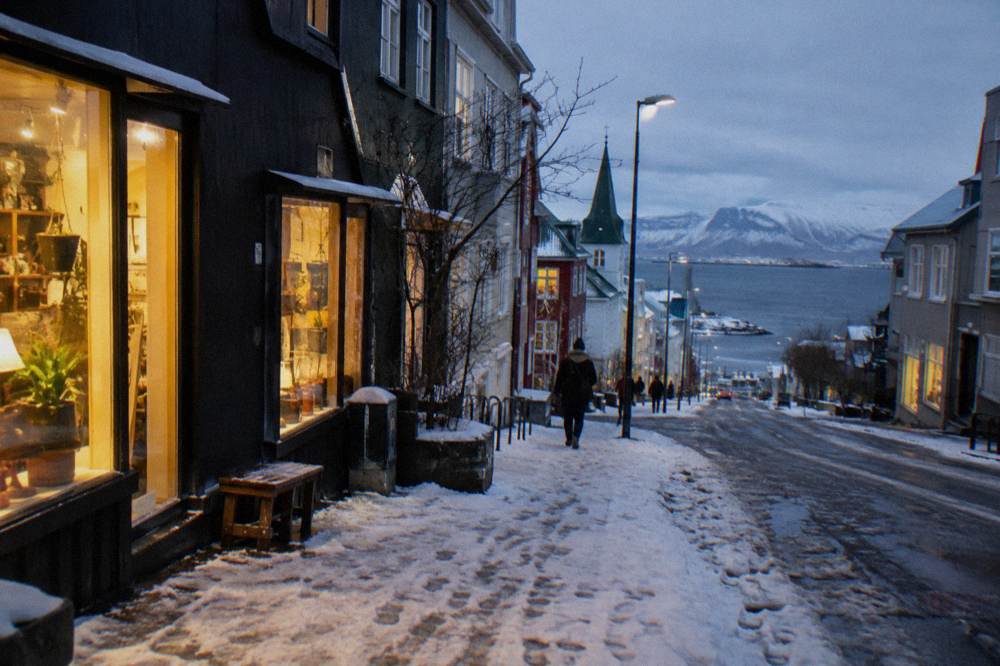
Reykjavik is known for extremes of daylight: the summer solstice gives 21 hours and 8 minutes of light, while the winter solstice shrinks the day to about 4 hours and 7 minutes, with the sun rising after 11:00 and setting before 16:00. Aurora season runs from mid-August to late April, because any night dark enough can carry the lights, and the city's own light pollution is mild enough that displays are sometimes visible from the waterfront. December's mean temperature sits around 0.8 °C with about 95 mm of precipitation, milder than the latitude suggests thanks to the Gulf Stream, but wet and windy enough that waterproofs matter more than heavy insulation. Winter tyres become mandatory on Icelandic roads from 1 November, a signal of the season visitors notice on every transfer.
The shoulder months are the quiet sweet spot. By mid-March the daylength reaches 11 hours 42 minutes, pools and museums run full schedules, and aurora chances remain strong. Mid-September still delivers about 13 hours of light alongside the start of the lights. Summer visitors get the opposite problem: a sky that never fully darkens between late May and mid-July, which kills aurora viewing but makes evening walks along the harbour feel limitless. Planning around the light is the single biggest lever on a Reykjavik trip, bigger than any choice of hotel or restaurant.
| Date | Daylight | Notes for visitors |
|---|---|---|
| 21 June | 21 h 08 min | Midnight sun period, no true darkness |
| 15 September | about 13 h | Aurora season under way, pools uncrowded |
| 15 November | 6 h 31 min | Sunrise 09:56, sunset 16:27, Reykjavik Dance Festival ends 15 Nov |
| 21 December | about 4 h 07 min | Shortest day; Christmas traditions and Yule Lads |
| 15 March | 11 h 42 min | Fast lengthening days, strong aurora odds |
Winter darkness has its own culture, and the city leans into it rather than hiding from it. The Winter Lights Festival runs over early February, the Iceland Noir crime-writing festival fills mid-November, and the Christmas period brings the thirteen Yule Lads, folk figures who leave gifts or rotten potatoes depending on behaviour. The Christmas tours and Yule Lads guide covers the seasonal walks, and folklore tours run all year; the classic elves, trolls and ghosts walk is rated 4.8 across 758 reviews from $52.36 per person for about 90 minutes, evidence that the supernatural is a year-round export, not a Halloween novelty.
What A Day In Reykjavik Actually Costs
Daily costs in Reykjavik are flexible: a public pool swim is 1,500 ISK, tap water is safe, and tipping is not expected.: a museum or two, a pool swim at 1,500 ISK, a hot dog for 920 ISK, a sit-down dinner and a bus fare or two, with a guided walk or boat trip added on top. The city has a justified reputation for expense, driven by a 24 percent standard VAT rate and an 11 percent reduced rate on food, accommodation and most tours, plus an 800 ISK nightly lodging tax per room. But the coin has two faces: tap water is free and excellent, buses cost 690 ISK a single with contactless payment and children 11 and under ride free, and the most famous snack in the country costs less than a coffee in most capitals.
Tipping is not expected or customary anywhere in Iceland, service charges are included in prices, and adding a gratuity is a genuine choice rather than a social tax. Cards are accepted essentially everywhere, and almost nobody needs cash; the krona is the currency and the exchange rate moves daily, so plan in ISK rather than converting every purchase in your head. The how much cash do you need in Reykjavik piece works through the practicalities, including when a card-only approach occasionally fails.
| Everyday item | Typical price | Notes |
|---|---|---|
| Public pool, adult single | 1,500 ISK | Children 0 to 9 free with a guardian, 10 to 17 pay 400 ISK |
| City bus single, adult | 690 ISK | Contactless accepted; 24 h and 72 h passes no longer sold, fares cap at 3 rides per day |
| Hot dog at the 1937 stand | 920 ISK | Combos listed separately |
| Saga Museum, adult | 4,000 ISK | Family ticket 9,200 ISK for 2 adults and 2 children |
| Flybus from Keflavík to the BSÍ terminal | 3,999 ISK one way | Hotel drop-off option 5,299 ISK |
Transport quirks matter to the budget. The transit operator stopped selling 24-hour and 72-hour day passes in July 2026, replacing them with automatic fare capping at three paid rides per day or nine per week, so a contactless card now does the work a pass used to do. Planned service reductions on some capital-area routes from 1 December 2026 make the walkable centre even more valuable in winter. The hop-on hop-off sightseeing bus, a familiar feature of the city's summer streets, runs year-round in principle with a winter schedule of departures roughly every 45 minutes from about 09:30 to a last departure at 16:15, though it has paused service for a spring stretch in the past, so confirm dates before relying on it. The on-site option is from $53.49 for a 24 or 48-hour ticket, rated 3.2 across 909 reviews.
Getting into town sets the tone of the trip. The Flybus meets flights at Keflavík and runs to the BSÍ terminal for 3,999 ISK adult one way, about 45 minutes, with a hotel-delivery leg at 5,299 ISK; the public bus route 55 is the cheaper alternative and the one route excluded from the City Card. From BSÍ, downtown is a short walk or bus ride, and most visitors never need a car inside the city at all, a point the getting around without a car guide demonstrates neighbourhood by neighbourhood. That walkability is itself part of what Reykjavik is known for, and it is why a first guided walk pays for itself in orientation alone.
The food walk deserves the last budget note, because it doubles as dinner. A tasting tour from $147 to $223 per person sounds steep until it replaces an evening meal, covers five or more stops, and delivers the historical commentary a separate walking tour would have charged for. General-interest travellers weighing tours against independent exploring can read the are tours usually worth the money discussion; in Reykjavik the honest answer is that walks and boat trips cover ground and water you cannot replicate alone, while museums and pools need no guide at all.
Common Questions About What Reykjavik Is Known For
What Is Reykjavik Best Known For?
Reykjavik is best known for the Hallgrímskirkja tower and its colourful low skyline, geothermal swimming pools, whale watching and puffin trips from the Old Harbour, a compact walkable centre with food halls and museums, and northern lights visible from mid-August to late April in dark conditions.
Can You See The Northern Lights From Reykjavik Itself?
Yes, when the sky is dark and clear the aurora is sometimes visible from the waterfront and parks inside the city, especially outside the brightest core. The season runs from mid-August to late April, and boat trips and guided hunts depart from the city through those months.
Is Reykjavik Walkable For A First Visit?
Very. The church, harbour, concert hall, main shopping street and most museums sit within about two kilometres of each other, and most visitors complete the headline sights on foot in a single morning. A guided walk of about two hours covers the same ground with context.
What Food Is Reykjavik Known For?
Lamb in every form, seafood, skyr, rye bread ice cream and the hot dog from the harbour-side stand operating since 1937, currently listed at 920 ISK. Food halls at Hlemmur and Grandi gather local and international vendors under one roof daily.
When Is The Best Time To Visit Reykjavik?
Summer gives up to 21 hours of light; mid-August to late April gives aurora chances; spring and autumn balance long-enough days with thin crowds and full schedules. December offers about 4 hours of daylight but the strongest Christmas and festival culture.