Reykjavik Street Art Walking Tour
Reykjavik paints its walls. A dense band of murals, paste-ups and painted gables runs through the city centre, and the standard guided city walks pass much of it on their way between better-known landmarks. Here is where the art clusters, and how to see it on foot.
Short answer
Reykjavik has no dedicated street art tour among the bookable city walks, which run from about $49 to $60 per person for roughly two to two and a half hours. The murals cluster in the centre around Laugavegur, Skólavörðustígur and the Grandi harbour district, all walkable in a loop of about two to three hours.
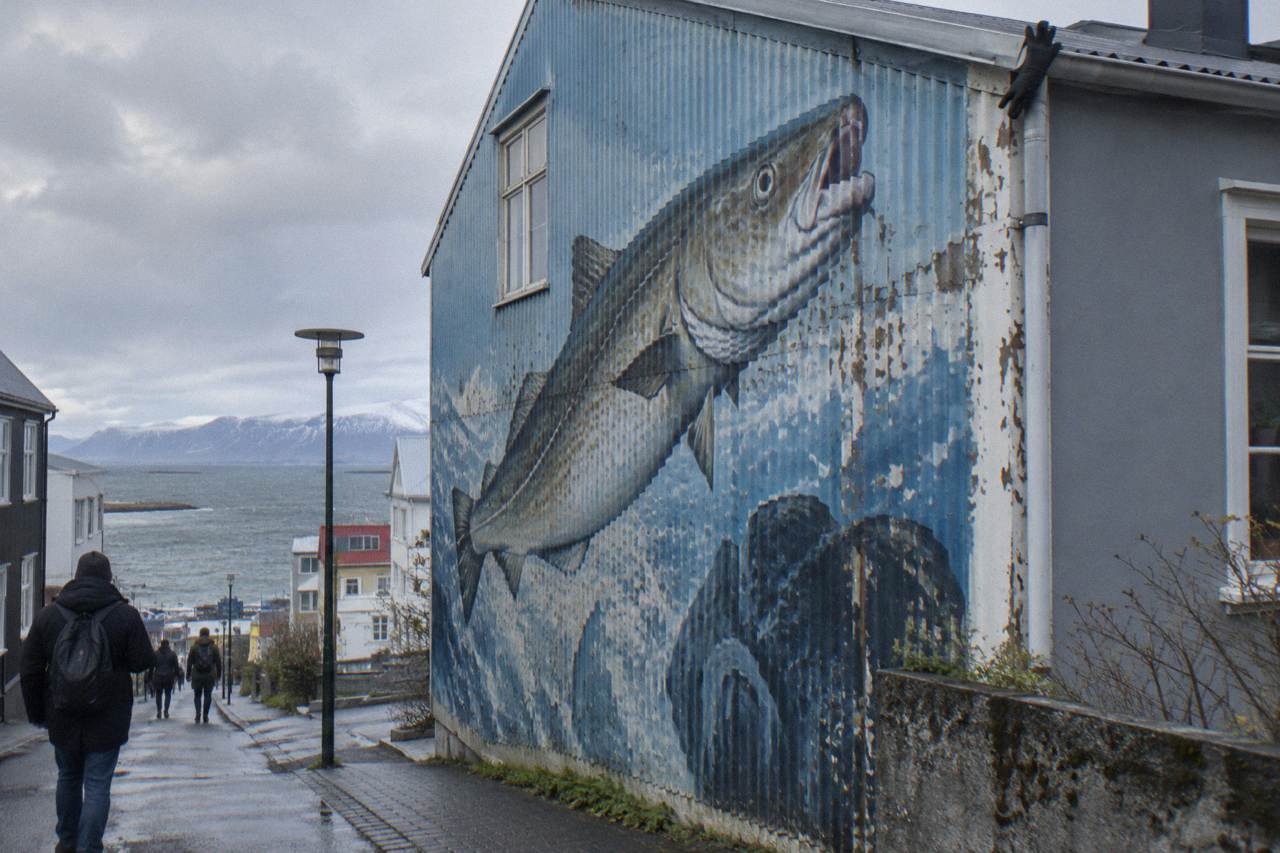
Reykjavik's street art scene is unusually concentrated for a capital of its size. In the space of roughly a square kilometre between the Old Harbour and the eastern end of Laugavegur, painted gables, murals made to order and quick paste-ups sit on walls that most visitors walk past without a second glance. The city's mural stock built up gradually as gable-end murals now add color to streets throughout the city center, and the result is a layer of contemporary art threaded through streets better known for corrugated iron in candy colours.
There is a catch worth stating plainly: none of the bookable walking tours in Reykjavik is marketed as a street art tour. What exists instead is a set of general city walks, folklore walks and food walks whose routes through the centre happen to pass a large share of the best walls. For an art-focused visitor that is actually workable, because the murals are outdoor, free and dense enough that almost any competent centre route delivers them. This guide sets out where the art clusters, which guided walks cover that ground, what those walks cost, and how to plan the same loop yourself. If you are docking for the day rather than staying in the city, the walkability of Reykjavik from the cruise terminals guide explains how to reach these same mural clusters on foot and when a hop-on hop-off ticket is the better choice.
Where Are Reykjavik's Murals Concentrated?
The murals cluster in three zones: the Laugavegur shopping street and its side lanes, the slope of Skólavörðustígur up toward Hallgrímskirkja, and the Grandi harbour district around the old fish factories, with the whole spread walkable in a two to three hour loop from the downtown core.
Laugavegur and its parallel lanes carry the densest concentration. The street itself is the city's main shopping drag, famous enough to have its own dedicated explainer, and it is the gable ends and courtyard walls off it that hold the biggest large-scale works. Work rotates: walls get repainted, new pieces replace faded ones, so any map of "the" murals ages quickly. Treat the area as a zone to drift through rather than a checklist.
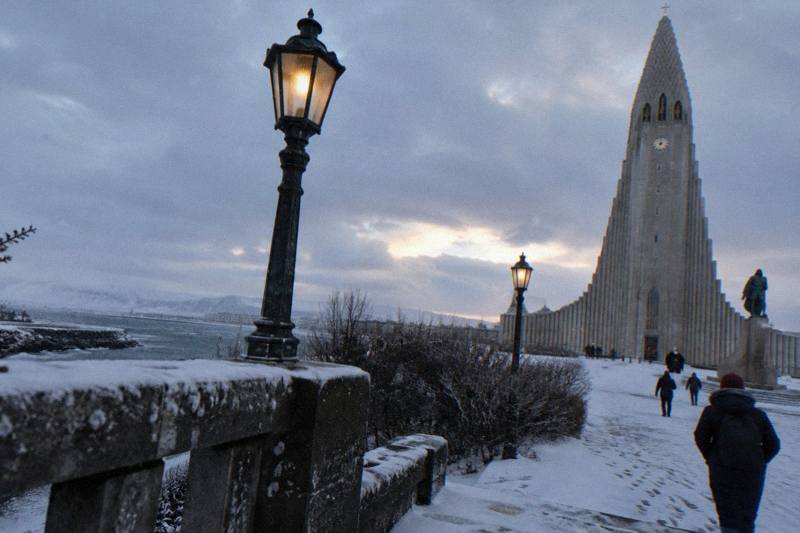
Skólavörðustígur, the rainbow-striped street climbing from Laugavegur to Hallgrímskirkja, mixes smaller works with design shops and galleries. The church itself is the landmark that anchors most walking tour routes, and its tower is the obvious vantage point over the rooftops you are about to walk among. Tower tickets are sold only at the church shop, with no advance booking, and winter hours run 10:00 to 17:00 with last tower entry at 16:45, though access is restricted during services; the church's own site lists the daily closures.
Grandi, the harbour district west of the centre, is the third zone and the most industrial in character. Old processing buildings, the food halls and museums such as the Saga Museum at Grandagarður 2 sit among large walls that have attracted bigger pieces. The Grandi Mathöll food hall makes a natural refuelling stop mid-loop, open daily 11:00 to 21:00 apart from listed holiday closures.
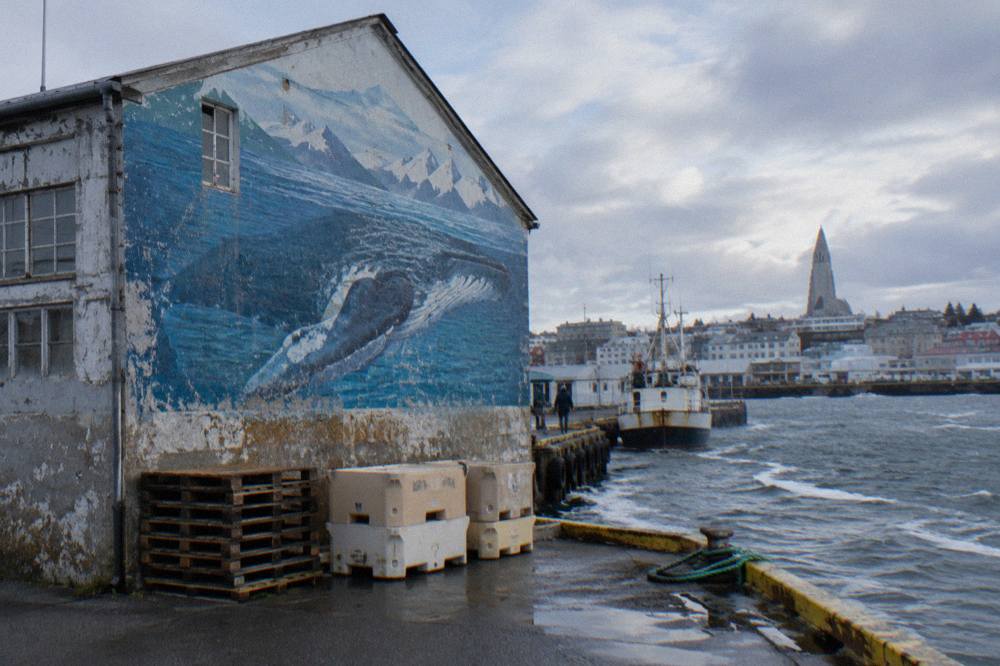
A practical loop ties the three zones together: start at Hallgrímskirkja, descend Skólavörðustígur, cross Laugavegur and work the side lanes eastward, then cut down to the Old Harbour and continue west into Grandi before returning along the waterfront. That is comfortably a half day with stops, and it mirrors the centre coverage of the guided walks described below. Since the loop hands you murals, harbour views and shifting light worth shooting, the photographer's guide to walking Reykjavik adds the best photo stops and seasonal timing advice.
| Zone | Character | What Else Is There |
|---|---|---|
| Laugavegur and side lanes | Densest mural coverage, large mural-covered gables | Shops, cafes, the main downtown drag |
| Skólavörðustígur | Smaller pieces, rainbow street itself | Design shops, galleries, Hallgrímskirkja at the top |
| Grandi harbour district | Big walls on former industrial buildings | Food halls, Saga Museum, harbour views |
Can You Take A Guided Street Art Walk In Reykjavik?
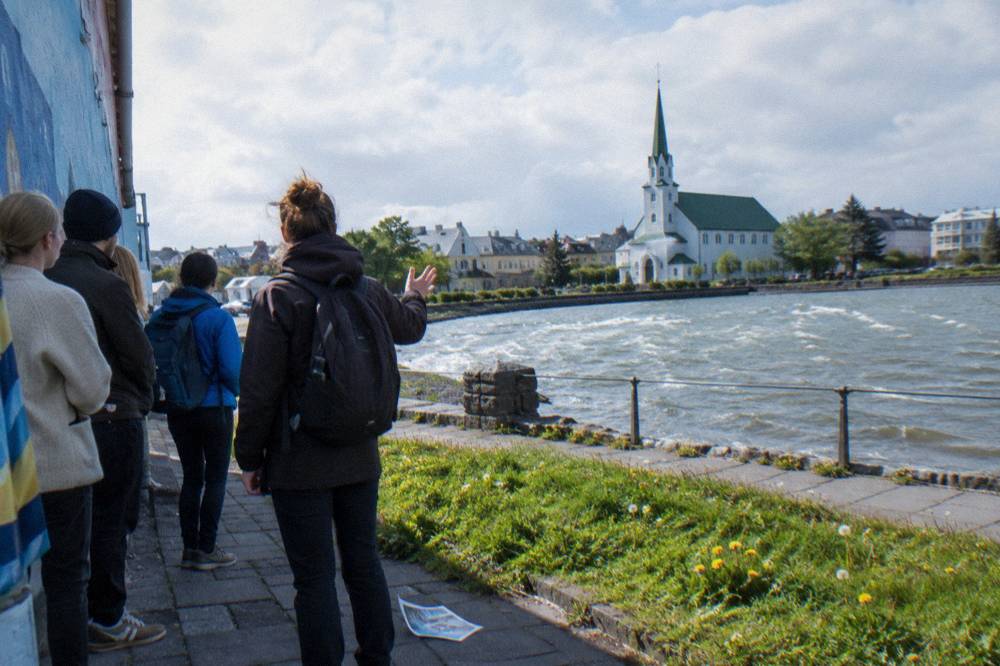
No tour currently sold is billed specifically as a Reykjavik street art walk; what you can book are general small-group city walks of roughly two to two and a half hours whose routes cover the same central streets where nearly all the murals are, from around $49 to $60 per person. If you want to pair that city walk with a Golden Circle day trip, our guide to combining a Reykjavik city tour with the Golden Circle covers the timing, costs, and tour options.
That distinction matters because an art-focused traveller needs to know what they are buying. A guided city walk will deliver history, architecture and local context, and it will walk you past a substantial amount of street art as scenery, but the commentary is not built around the murals. If a guide happens to know the scene, and local guides often do, you will get more; that part varies by guide and by day, so check the booking page for what each tour says it covers.
The strongest candidates are the standard centre walks. The small-group walk with a local guide runs about two and a half hours, is rated 4.8 across 616 reviews and costs from $49. The guided city walking tour is about 144 minutes, rated 5.0 across 106 reviews, from $52. Walking Tour of Reykjavik City, at two and a half to three hours and rated 5.0 across 494 reviews, runs from $51.22. All three stay inside the centre where the murals live.
One option with a different flavour is Becoming Icelandic: Reykjavik City Walk, a roughly two to two and a half hour walk rated 5.0 across 17 reviews, from $60, with a focus on what modern Icelandic identity actually looks like; the centre streets it covers include the main mural zones. For a fuller comparison of the options, the Reykjavik walking tour guide breaks down formats, group sizes and prices across the board, and Reykjavik City Tours keeps the current prices for each walk side by side.
If commentary on the art itself is the priority, the honest answer is the self-guided route in the section below. The Visit Reykjavik walking tours page lists the current operator landscape if you want to browse the live listings in case a dedicated street art walk has been added.
What Does A Reykjavik Walking Tour Cost?
Guided city walking tours in Reykjavik cost from $49 to $60 per person for the standard small-group centre walks of about two to two and a half hours, with themed walks such as folklore tours from $52, food tours from $136.58, and private walks from around $444 per group, so a mural-focused visitor can stay at the cheap end.
The price band is tight at the entry level, which is good news: the cheapest walks are also among the most reviewed, so you are not gambling much. The table below pulls together the walks most relevant to a centre route, with durations and guest ratings listed side by side for easy comparison.
| Tour | Duration | Rating | Price |
|---|---|---|---|
| City Walking Tour in Small Group with Local Guide | ~2 h 30 | 4.8 across 616 reviews | from $49 |
| Guided City Walking Tour | ~144 min | 5.0 across 106 reviews | from $52 |
| Walking Tour of Reykjavik City | ~2 h 30 to 3 h | 5.0 across 494 reviews | from $51.22 |
| Becoming Icelandic: Reykjavik City Walk | ~2 h to 2 h 30 | 5.0 across 17 reviews | from $60 |
| Sightseeing Walking Tour with a Viking | ~2 h | 4.7 across 497 reviews | from $52 |
Tipping is not expected or customary in Iceland on paid tours, so the listed price is close to the whole cost of the walk. The self-guided mural route costs nothing but shoe leather, plus optional extras such as the Hallgrímskirkja tower ticket or a coffee stop in Grandi. If you plan to add museums to the day, the Reykjavik City Card worth it guide runs the maths on the 24 to 72 hour cards, which bundle museum entries, pools and buses.

Two practical cost notes. Prices are per person for all the small-group walks above; the private 2-Hour Reykjavik Private Walking Tour is priced per group, from $443.89, not per head. And the "from" prices move with season and demand, so treat them as the floor rather than the quote.
How Do You Plan A Self-Guided Street Art Route?
A workable self-guided loop runs Hallgrímskirkja down Skólavörðustígur, east along Laugavegur and its side lanes, down to the Old Harbour and west into Grandi, then back along the waterfront: two to three hours at mural-watching pace, costing nothing beyond optional tower and coffee stops.
Build the route around sightlines rather than a fixed list of pieces, because the art changes. The church tower gives you the overview and a reason to walk downhill through the rainbow street. Laugavegur's side lanes repay slow wandering: the biggest gables hide a lane or two off the main drag, and dead-end courtyards hold surprises. Cutting down toward the harbour via any of the north-south lanes drops you into the oldest part of town, where small-scale paste-ups and stencils sit on the low timber walls.
Grandi rewards the walk west. The district's industrial walls carry some of the larger referral fees, and the food halls make it a sensible turnaround point. Returning along the waterfront path, Harpa concert hall on your right, closes the loop past the ships in the Old Harbour. The self-guided walking tour of Reykjavik and the Reykjavik walking tour map both give stop-by-stop detail for this same geography if you want the fuller version.
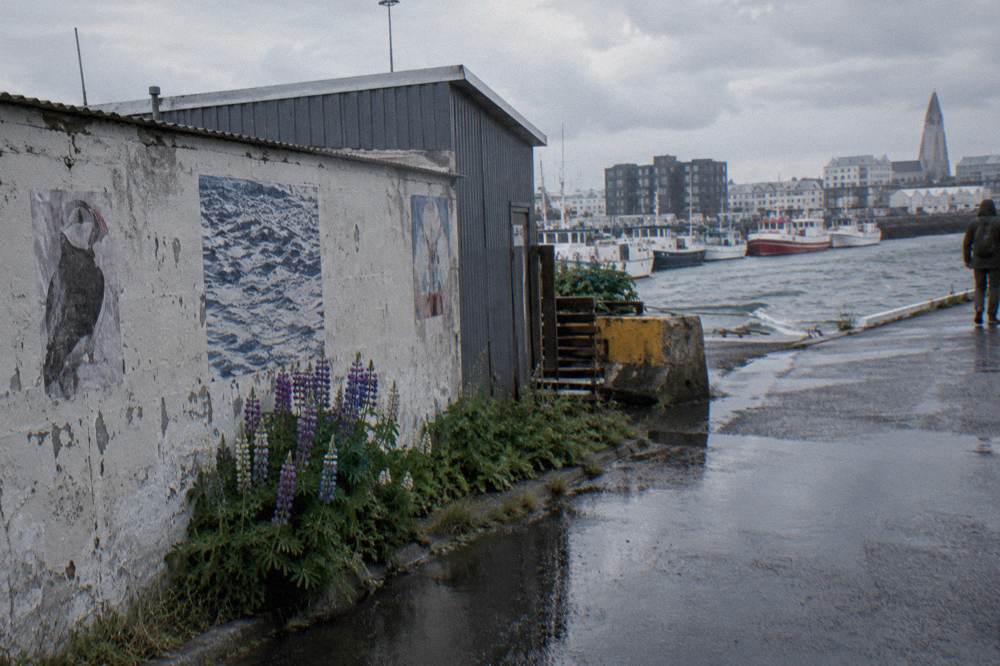
Timing matters less than light. Murals face every direction, so a morning start after 09:00, when the winter sun climbs over the rooftops, gives workable light on the south-facing walls. In December the usable window shrinks to about four hours of daylight around the middle of the day, and in June it never really closes. The best time of day for a Reykjavik walking tour guide covers the light and crowds trade-offs in detail.
| Route Leg | Time At Art Pace | Notes |
|---|---|---|
| Hallgrímskirkja to Laugavegur via Skólavörðustígur | 20-30 min | Rainbow street, smaller works, tower option |
| Laugavegur and side lanes eastward | 40-60 min | Densest zone, wander the lanes either side |
| Old Harbour and west to Grandi | 30-45 min | Big walls, food halls, museums |
| Waterfront return past Harpa | 20-30 min | Flat, open, good evening light |
What Season Works Best For A Reykjavik Art Walk?
Any season works because the murals are permanent walls rather than a seasonal spectacle, but the practical variables are daylight and comfort: mid-August to late April brings dark evenings for aurora plans, winter days shorten to about four hours of light in late December, and summer offers up to 21 hours of usable daylight for a late-evening walk.
Winter is the season people underestimate. Reykjavik's December mean temperature sits around 0.8 °C with roughly 95 mm of precipitation, which in practice means wind-driven rain or sleet more often than deep snow on downtown streets. The murals look sharp in low winter light, and the city is quiet, but the daylight budget is real: sunrise on 1 November 2026 is 09:10 with sunset at 17:10, and by the solstice the day compresses to about four hours. Plan the mural loop for the middle of the day and let evenings go to something indoor.
Summer inverts the problem. The longest day runs over 21 hours, and a late-evening art walk in June is a normal Reykjavik experience. The catch is that the best light on any given wall is fleeting at high latitudes, and the centre is at its most crowded. Shoulder seasons, May and September, split the difference: long light, thinner crowds, and weather that usually lets you linger.
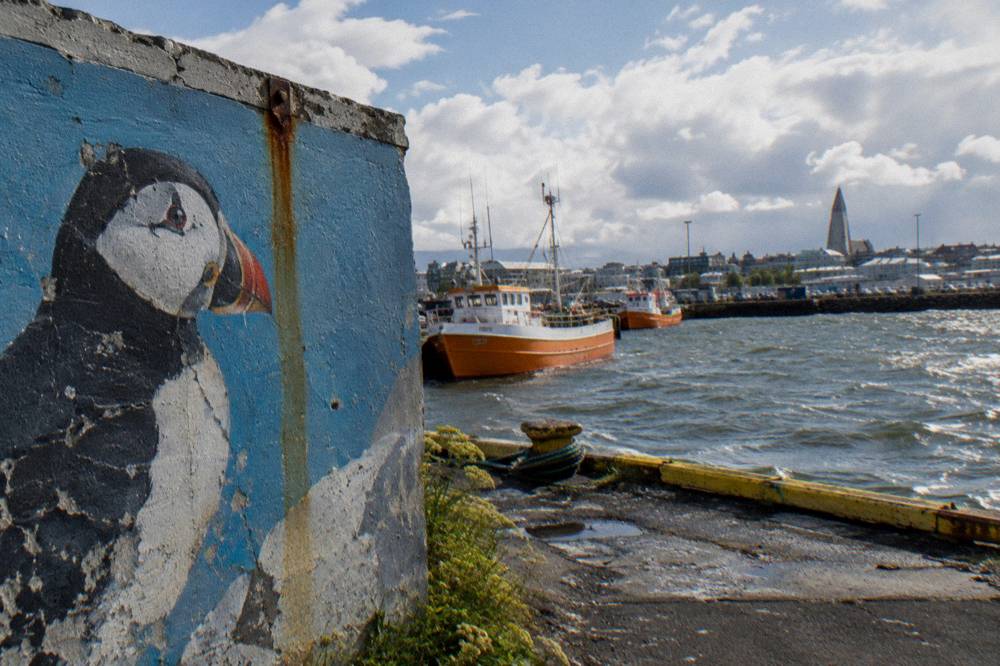
Weather that turns, rather than weather that is merely cold, is the thing to plan around. The Reykjavik tours in the rain guide covers wet-day fallbacks, and the Reykjavik weather by month guide gives the full monthly picture. Rain hits murals hardest for photography: flat overcast is flattering, hard rain flattens colour and drives you into the food halls early, which is not the worst outcome in Grandi.
Guided Or Self-Guided: Which Suits A Street Art Fan?
Go guided if you want context you cannot read off a wall, a fixed two-hour structure and a local to ask; go self-guided if the art itself is the whole point, because no guided walk centres its commentary on the murals and a self-planned loop costs nothing and moves at your pace.
The honest trade-off is commentary against focus. A guided walk gives you Icelandic history, architecture and the small observations that make a city legible, and the best-reviewed centre walks, from the 4.8-rated small-group walk to the 5.0-rated Walking Tour of Reykjavik City, do this well. What none of them promise is sustained commentary on the street art, because that is not the product. If your interest in the murals is casual, a good general walk that happens to pass them is likely the better day out.
If the art is the reason for the walk, self-guided wins on every axis that matters: you control the pace, you can backtrack to a wall when the light turns, and you spend nothing. Pair the free loop with the church tower and one museum in Grandi and you have a full, cheap, art-centred day. A hybrid works too: take a guided walk on day one for orientation, then rewalk the mural zones alone on day two with the guide's geography in your head.
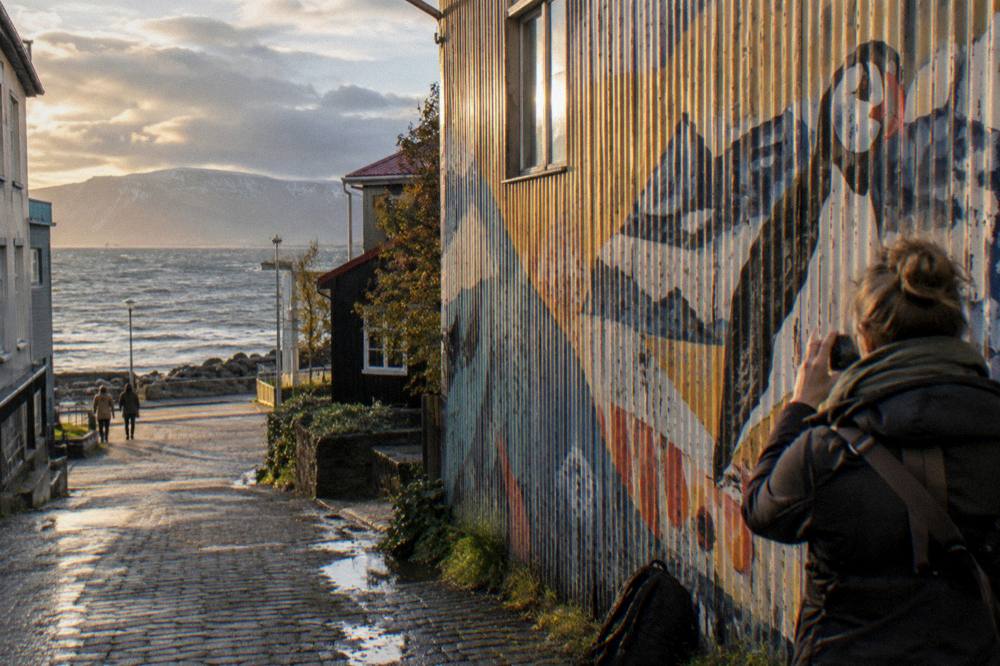
One format worth considering for the hybrid crowd is the walk with a Viking character guide, about two hours, rated 4.7 across 497 reviews, from $52, which trades some depth for theatre and suits families whose patience for gable-gazing is limited. For pairing a walk with the city's food, the Reykjavik food tour guide covers the tasting walks that start and finish inside the same central streets.
| You Want | Best Fit | Why |
|---|---|---|
| Context and a local to ask | Small-group guided walk | Two hours of history and orientation, from $49 |
| The art itself, on your terms | Self-guided loop | Free, any pace, backtrack when light changes |
| A first-day orientation | Guided walk, then rewalk alone | Guide gives geography, you revisit the walls |
| Family-friendly structure | Viking-character walk | Two hours, theatrical, 4.7 across 497 reviews |
Whichever you choose, book the guided slot early in your stay rather than late. The centre walks run frequently, but the small-group formats fill first in summer and around the winter festival weekends, and a day-one walk makes the self-guided mural loop on day two far more rewarding.
Common Questions About Reykjavik Street Art
Where Are Reykjavik's Murals Concentrated?
In three zones: Laugavegur and its side lanes hold the densest coverage, Skólavörðustígur climbs from there to Hallgrímskirkja past smaller works, and the Grandi harbour district carries large pieces on former industrial buildings. The whole spread is a two to three hour walking loop from the centre.
Can You Take A Guided Street Art Walk In Reykjavik?
No bookable tour is billed as a dedicated street art walk. The general small-group city walks of about two to two and a half hours, from $49 to $60, cover the same central streets where nearly all the murals sit, so you see the art as part of a broader guided route.
What Does A Reykjavik Walking Tour Cost?
Standard small-group centre walks run from $49 to $60 per person for roughly two to two and a half hours. Folklore walks start at $52, food tours at $141, and private walks are priced per group, from $443.89. Tipping is not expected on paid tours.
How Do You Plan A Self-Guided Street Art Route?
Walk Hallgrímskirkja down Skólavörðustígur, east along Laugavegur and its side lanes, down to the Old Harbour, west into Grandi and back along the waterfront past Harpa. That is two to three hours at mural-watching pace, and it costs nothing.
What Season Works Best For A Reykjavik Art Walk?
Any season, since the murals are permanent, but winter days shorten to about four hours of daylight by late December, so plan the loop midday then. Summer offers up to 21 hours of light and a perfectly normal late-evening walk. May and September split the difference.
Guided Or Self-Guided: Which Suits A Street Art Fan?
Guided if you want history, structure and a local to ask; self-guided if the art is the whole point, since no guided walk centres its commentary on the murals. A hybrid, a guided walk on day one then the mural zones alone on day two, gets you both.